
Vandaag of morgen in huis

Kwaliteit gegarandeerd

Welkomstaanbiedingen ontgrendelen: GRATIS bezorging | Tot 80% korting | Gratis 30 dagen JoyPlus-proefperiode
Download de app
An ergonomic baby carrier can come in handy on walks, on public transport, while shopping or when travelling. It keeps your hands free and your baby close. However, not every baby carrier is suitable for every child or parent. A low price, attractive pattern or promise of “all-day comfort” doesn’t tell you much on its own.
Pay particular attention to the fit, weight range and how you plan to use the carrier. Read on to find out which common pitfalls are often overlooked and which features you can check for yourself.
A carrier for babies and toddlers might appear suitable for children weighing between 3 and 20 kg, for example. That doesn’t automatically mean the same settings will be comfortable for a small baby and a toddler. Check whether the seat, leg openings and shoulder straps can be adjusted.
Young babies need extra head and neck support. Only use a carrier within its stated weight range, and follow the instructions. A child who can’t yet lift their head independently shouldn’t be placed in just any carrier.
The term ergonomic baby carrier is only useful when the product description gives specific details. Look for features such as a wide seat, adjustable leg openings, an M-position with the knees higher than the bottom, and back support.
According to Momcozy’s product information, some models are designed to support an M-shaped leg position and a C-shaped back. Treat these as product features, not as a medical guarantee. Your baby should always be positioned snugly, with their face visible and airways clear.
A cotton baby carrier can feel soft and is often machine washable. A breathable baby carrier with mesh may be more comfortable in warm weather. Neither material is automatically the right choice for every situation.
Check the fabric composition, care instructions and ventilation. A warm carrier may be less comfortable on a summer walk. A thin carrier may feel less suitable if you’re looking for extra support around your hips and lower back.
Compare the minimum and maximum weight with your child’s weight. According to the product information, several models in this guide are designed for children weighing around 3.18 to 19.96 kg and aged approximately 3 to 24 months. The Chicco EasyFit has a different range: according to the manufacturer, it’s suitable from birth up to a maximum of 9 kg.
Age is only a guide. Your baby’s development, ability to support their head independently and the manufacturer’s instructions are just as important.
An adjustable baby carrier should fit both your baby and the person carrying them. Check the following:
Many of the models below are designed for front carrying. Don’t use a back-carrying position unless it’s specifically described in the instructions.
A baby carrier with lumbar support can help distribute weight across your shoulders, back and hips. Momcozy product descriptions mention features such as an EVA panel, cross straps or an X-shaped back. These are construction features you can check; how comfortable they feel will depend on your build and how the carrier is adjusted.
Adjust the carrier at home first, then try walking short distances. Stop if you feel pain, tingling or an uncomfortable pulling sensation.
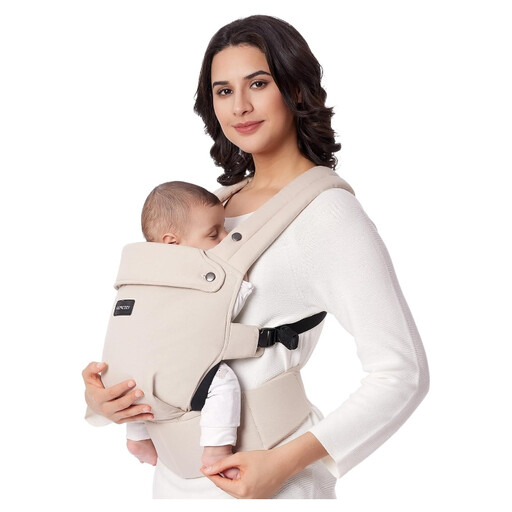
Why it suits this profile: A straightforward model for parents looking for a practical carrier for everyday use. The product information lists three adjustable positions and front carrying.
The stated range of around 3.18 to 19.96 kg and the adjustable straps make it easier to see how the carrier can accommodate a small baby and a bigger child.
100% cotton, machine washable, EVA lumbar support and padded leg openings, according to the product description.
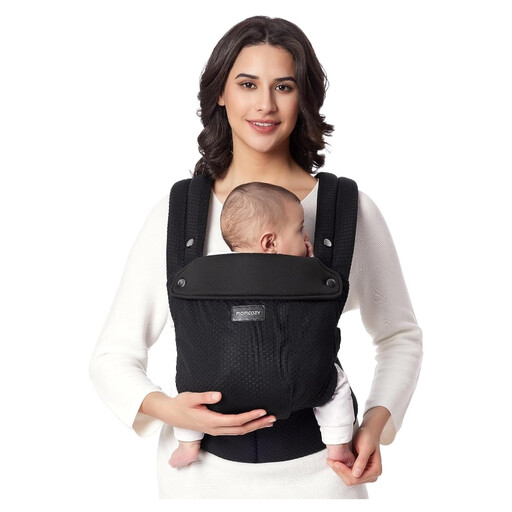
Why it suits this profile: Worth considering if you do a lot of walking or travelling, or spend time in warm spaces, and want to look at a lightweight, breathable baby carrier.
The mesh panels make the choice of material clearer than a general claim about keeping cool. Always check your baby’s clothing and temperature too.
According to the product details, this model weighs around 760 grams and features Air Mesh, EVA lumbar support and three adjustable positions.
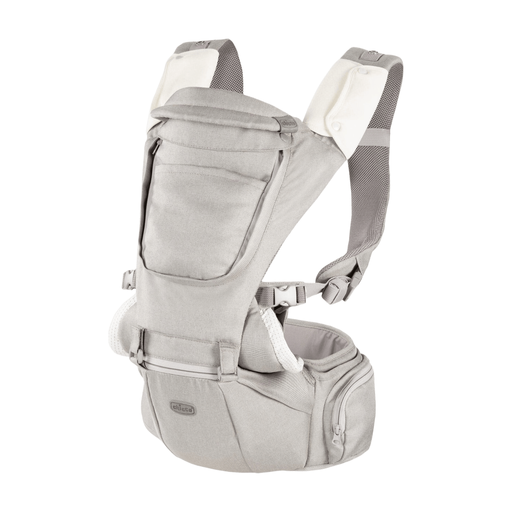
Why it suits this profile: An interesting option for anyone who wants to compare different carrying configurations, such as a carrier, hip seat or combination.
The carrying methods and age recommendations are listed separately, so you can check whether your chosen configuration is suitable for your child.
3-in-1 design, removable hip seat base and several carrying positions, according to the product description.
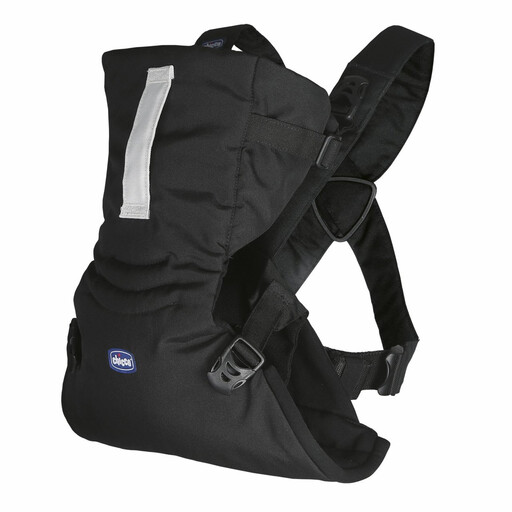
Why it suits this profile: An option for parents looking for a simple front-facing model that, according to the product information, can be used from birth up to 9 kg.
Its limited weight range makes it clear that you shouldn’t continue using the model once your child weighs more than 9 kg.
T-shirt-style design, adjustable wide seat, M-position and machine washable at 30 °C, according to the product details.
We’ve put together a complete, up-to-date list of products that meet these strict selection criteria and the applicable European safety regulations.
A baby carrier can’t protect against falls or accidents. Check the fabric, seams, buckles and straps before every use. Don’t use the product if any parts are damaged, worn or missing.
Keep these points in mind while carrying your baby:
Wash a cotton or mesh carrier according to the care label. Make sure the buckles and straps are completely dry before using the product again.
It varies by model. According to the product information, the Momcozy carriers mentioned here start at around 3.18 kg. The Chicco EasyFit is suitable from birth, according to the manufacturer. Always check the exact minimum weight and conditions in the instructions.
How long you can use it depends on your child’s weight, the fit and the condition of the material. A model with a weight range up to around 20 kg may grow with your child for longer than a carrier with a maximum weight of 9 kg. Check regularly for loose stitching, wear, damaged buckles and stretched straps.
A mesh model may be practical in warm weather thanks to its airy panel. Cotton may appeal if you’re looking for a soft, machine-washable fabric. For everyday use, adjustability, lumbar support, secure fastenings and a suitable M-position are also more important than the material alone.
