
Vandaag of morgen in huis

Kwaliteit gegarandeerd

Welkomstaanbiedingen ontgrendelen: GRATIS bezorging | Tot 80% korting | Gratis 30 dagen JoyPlus-proefperiode
Download de app
Keeping your baby close can be practical when you’re out for a walk, travelling or doing household tasks. However, not every baby carrier is automatically comfortable or suitable for everyday use. When choosing an ergonomic baby carrier, parents often look at soft fabric, plenty of adjustment options and an appealing maximum weight. Fit, safety instructions and how the weight is distributed are more important.
A carrier suitable for 3 to 20 kg may seem ideal for long-term use. However, that doesn’t automatically mean the same fit is suitable from birth. Always check:
According to the product information, the Momcozy models in this selection are recommended for babies aged around 3 to 24 months. Although the weight range starts at around 3.18 kg, the information also states that the carrier isn’t intended for babies who can’t yet hold their head up independently. So never use weight as your only deciding factor.
The term ergonomic baby carrier doesn’t tell you much on its own. Look at the shape of the seat, how the straps sit and whether the carrier fits the parent’s body well. According to the relevant product’s safety information, an M-position baby carrier should position the legs so that the knees sit higher than the bottom.
Also consider the difference between a front carrier, a hip seat and models with several carrying positions. A carrier suitable for carrying your baby on your front isn’t automatically suitable for back or outward-facing carrying.
A 3-in-1 or 4-in-1 model may sound appealing, but check whether you really need the extra positions. More buckles, straps and inserts also mean more parts to check before every use. In practice, a simple model with clear adjustment options may be more convenient than a carrier with features you rarely use.
Compare the stated range with your child’s age and development. A newborn-to-toddler baby carrier should give clear instructions for each stage of development. If there’s no information about newborns, don’t assume the carrier is suitable for them.
Also consider the weight of the carrier itself. A lightweight carrier weighing around 771 grams may be handy for everyday use, but its design and fit ultimately determine how heavy it feels to carry.
Shoulder straps, waistbands and back panels determine how much pressure builds up in one place. A baby carrier with hip and back support may be worth considering if you’ll be using it for longer periods. Check that:
X-shaped or crossed straps can distribute weight differently from straight shoulder straps. The style that feels most comfortable will depend on your build and preferences.
A cotton baby carrier often feels soft and is practical if it can be machine washed. Check the washing instructions, drying method and colourfastness. Before each use, check the fabric, seams, buckles and straps. Don’t use the carrier if any parts are damaged, worn or missing.
Claims about comfort or support come from the manufacturer, so treat them as product information. Focus on features you can check, such as the material, dimensions, carrying direction and weight limit.
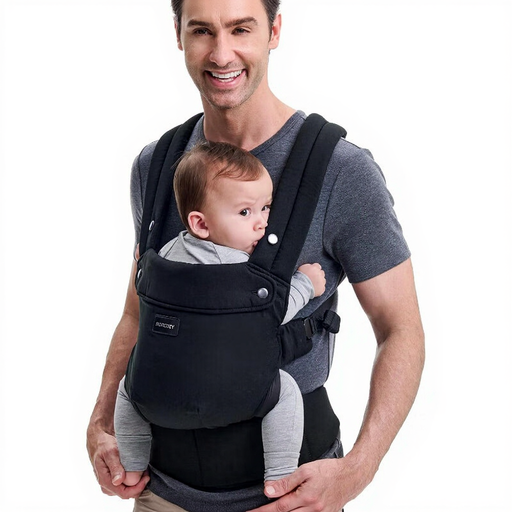
Why it suits this profile: This front carrier is made from 100% cotton, weighs 771 grams according to the product information and is machine washable. It’s a good option for parents looking for a straightforward carrier for everyday use.
The stated range is clearly specified: around 3.18 to 19.96 kg. However, check the age and head-support instructions before using this carrier.
100% cotton, machine washable, adjustable straps, an X-back design and a foldable neck support, according to the product description.
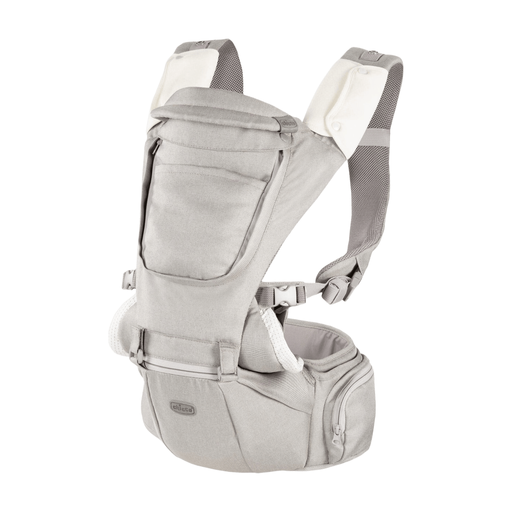
Why it suits this profile: This model combines a baby carrier with a detachable hip seat base. According to the product description, you can choose between three configurations and several carrying positions.
The carrying positions and age guidance are explained for each position. Read the instructions carefully, especially when switching between newborn, front, hip and forward-facing positions.
Detachable base, 3-in-1 use, breathable mesh fabric and several carrying positions, according to the product information.
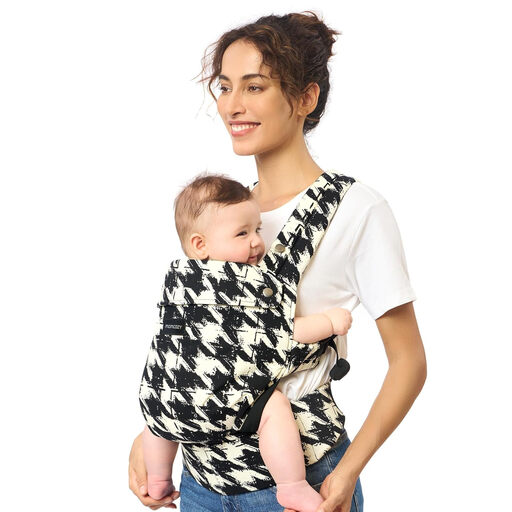
Why it suits this profile: The product information lists OEKO-TEX Standard 100 certified cotton, crossed straps and three adjustment positions. This makes it a good fit for parents who use a carrier regularly on outings and as part of everyday care.
The product specifications state a range of around 3.18 to 20 kg and advise checking the buckles and straps before every use.
OEKO-TEX Standard 100 certified cotton, according to the product information; machine washable, with a wide seat and adjustable crossed straps.
We’ve put together a complete, up-to-date list of products that meet these strict selection criteria and the applicable European safety regulations.
A good fit is more important than the number of features. Before every use, check:
Don’t use a baby carrier while cycling, running, cooking over an open flame or doing other activities that carry a risk of falling or burns. A baby carrier won’t protect your baby in a fall or road traffic accident.
It depends on the model. Some carriers specify a newborn position, while others are only suitable once your baby can support their own head. Always check the instructions, minimum weight and age guidance. Don’t put a newborn in a standard carrier unless the instructions clearly say it’s suitable.
How long you can use a carrier depends on its material, how often you use it and your child’s weight. A model with a limit of around 20 kg may support your child through several stages of growth, but check the buckles, seams, straps and fabric regularly. Stop using the carrier if any parts show signs of wear or your child reaches the maximum weight limit.
With a machine-washable carrier, ongoing costs are usually limited to washing and, if necessary, replacing worn parts. Follow the washing instructions and check that the buckles are fastened securely before washing. A carrier with removable inserts or several accessories may involve extra costs over time.
