
Vandaag of morgen in huis

Kwaliteit gegarandeerd

Welkomstaanbiedingen ontgrendelen: GRATIS bezorging | Tot 80% korting | Gratis 30 dagen JoyPlus-proefperiode
Download de app
An ergonomic baby carrier can come in handy on a walk, when travelling or whenever you want to keep your hands free at home. But an attractive design or the word “ergonomic” alone doesn’t tell you much. A carrier needs to suit your child’s weight, your body and the way you plan to use it.
Look out for these common pitfalls:
First, check the minimum and maximum weight limits. A carrier for newborns may have a lower minimum weight than a model for older babies. According to the product information, the Momcozy reference model is suitable for children weighing around 3.18 to 19.96 kg (approximately 7 to 44 lbs) and aged around 3 to 24 months.
That doesn’t automatically mean this model is suitable for every baby from day one. Follow the stated minimum weight, use the carrier only as described and adjust all the straps before you set off.
If you’re looking for a toddler carrier, check in particular that the maximum weight still suits your child’s current weight. A model for 3 to 20 kg may last longer, but only if it continues to fit your growing child properly.
Look for an adjustable seat that allows your baby’s knees to sit higher than their bottom. The Momcozy product description refers to this as an ergonomic “M” position. According to the specifications, the carrier also has “C”-shaped back support, padded leg openings and a foldable neck support cushion.
These are specific product features, not a guarantee of any particular physical benefit. Each time you use the carrier, check that:
A carrier with lumbar support may feel more comfortable when you carry your child for longer periods. Check the width, padding and adjustability of the belt. Lumbar support that doesn’t fit properly may actually feel awkward.
A lightweight baby carrier is easier to take with you, but pay attention to its construction, too. According to the stated specifications, the Momcozy carrier weighs around 771 grams and is made from 100% cotton. The manufacturer says the model is machine washable.
Cotton can be a good choice for everyday use, but always check the care label, drying instructions and colourfastness. Check the seams, straps, buckles and any signs of fraying regularly, too. If a carrier shows signs of wear, don’t continue using it without having it checked.
The selection below is based on the available product specifications. The first product card features a baby carrier; the other products are additional baby items for specific situations and are not substitutes for a carrier.
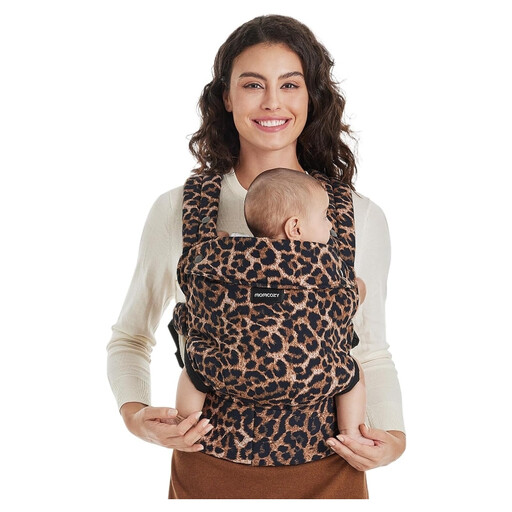
Why it suits this profile: This model is for parents looking for one adjustable carrier for everyday use, travelling and short walks. Its stated carrying capacity ranges from around 3.18 to 19.96 kg.
The weight range, material, product weight and warnings are clearly stated. This means you can check before buying whether the model suits your needs.
100% cotton, around 771 grams, machine washable, adjustable straps, lumbar support and a foldable neck support cushion.
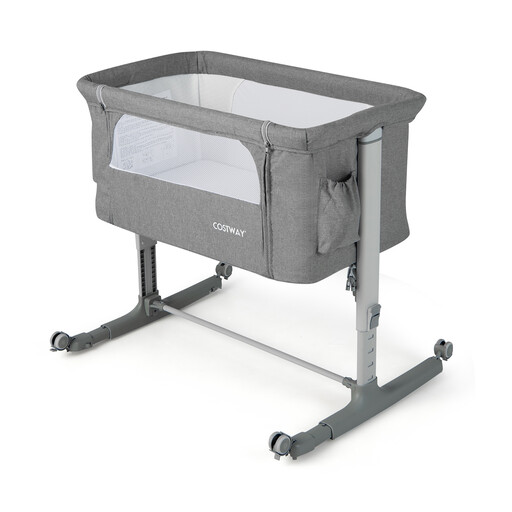
Why it suits this profile: For parents who want a dedicated place for their baby to rest as well as a hands-free way to carry them. This isn’t a carrier, but an extra option for home or when you’re out and about.
The height, dimensions, maximum load and recommended age are specified. This makes it easier to compare products than relying on general comfort claims.
Three modes of use, five height settings, breathable mesh panels, lockable wheels and a travel bag included.
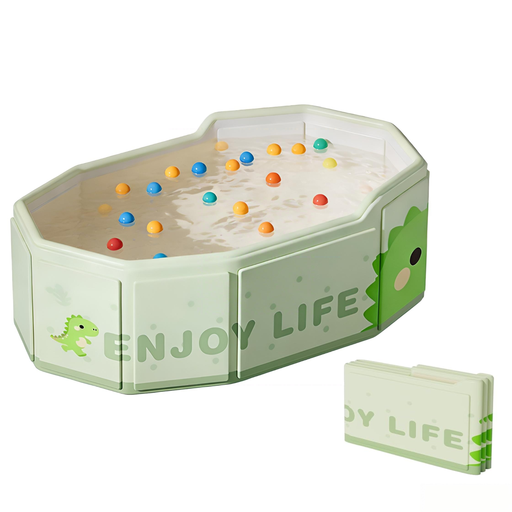
Why it suits this profile: For families who often take their baby products with them or have limited storage space. This item is an additional option, not an alternative to a baby carrier.
The dimensions, foldable design and stated materials are included in the product specifications. Always check the warnings before use and supervise your baby.
Foldable design, dimensions of 75 × 45 × 23 cm, back support, anti-slip feature and, according to the product information, BPA-free PVC.
We’ve put together a full, up-to-date range of products that meet these strict selection criteria and the applicable European safety regulations.
A carrier is only safe when used correctly. Read the instructions before using it for the first time and, if you like, practise over a bed or with help from another adult. Before each use, check:
Don’t use a carrier during activities where there’s a risk of falling, such as cycling, running or climbing. Never leave your baby in the carrier without direct supervision.
That depends on the minimum weight and stated age. Check the product specifications carefully. According to the product information, the Momcozy model has a minimum weight limit of around 3.18 kg. Don’t use it below this limit, and make sure your baby’s neck, back and airways are properly supported.
How long you can use it depends on the weight range, fit and wear and tear. A model with a maximum weight of around 20 kg may be suitable into the toddler years, but check the straps, seams and buckles regularly. Stop using it if any parts are damaged or your child no longer sits properly.
Cotton can feel comfortable, but how warm it feels also depends on the thickness of the fabric, what you and your child are wearing and the temperature outside. Make sure there’s enough ventilation, check your baby regularly and prevent overheating. As well as the material, consider the carrying position and any breathable panels.
