
Vandaag of morgen in huis

Kwaliteit gegarandeerd
Download de app
Categorieën

Buying a new washing machine can be a daunting task. The market is flooded with models promising to be quieter, smarter, and more efficient. But which specifications truly matter for your household, and how can you avoid making a purchase you'll later regret? The wrong choice can lead to unnecessarily high energy bills or a machine that doesn't meet your laundry needs.
This guide will help you make an informed decision. We focus on the facts: from understanding the energy label to selecting the right drum capacity and features that are genuinely useful.
To find the right machine, it's helpful to understand a few key specifications. These parameters determine how well a washing machine performs, how much energy and water it consumes, and whether it suits your lifestyle.
Since 2021, the EU has used a new energy label ranging from Class A (most efficient) to G (least efficient). An energy-efficient washing machine with an A rating is a great start, but it pays to look closer. Some models are even more efficient, bearing labels like A-10%, which means they consume 10% less energy than the minimum requirement for Class A. Also, pay attention to the water consumption per cycle and the energy consumption per 100 wash cycles, both of which are listed on the label.
The drum's capacity, expressed in kilograms (kg), is crucial. A drum that's too small means more frequent washing, while an oversized drum that you can't fill completely wastes water and energy.
The spin speed (rotations per minute, rpm) indicates how fast the drum spins. A higher spin speed (1400-1600 rpm) results in drier laundry, which shortens drying time.
A quiet washing machine is desirable, especially in an open-plan kitchen or if you run laundry at night. The noise level is expressed in decibels (dB). Pay close attention to the noise level during the spin cycle, as this is the loudest part of the process. A machine under 72 dB is generally considered quiet.
Modern washing machines offer more than just a standard wash programme. Consider which features are relevant to you:
Based on the criteria above, we have selected a few models that stand out for their specifications and features.
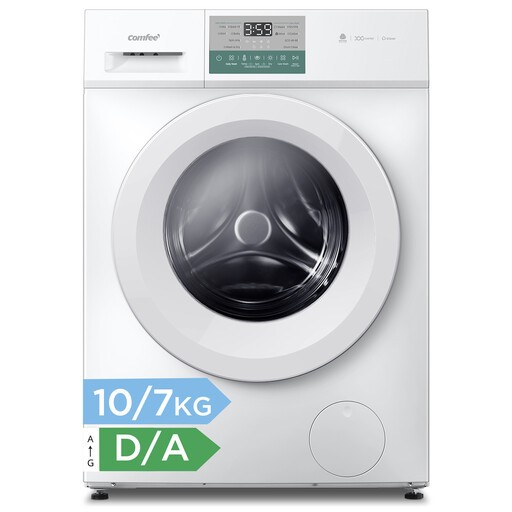
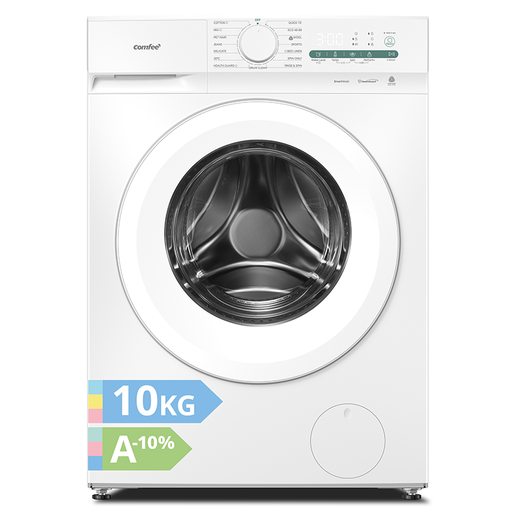
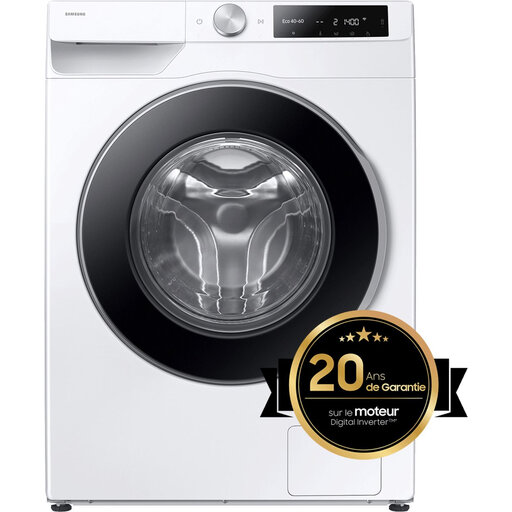
Every household has unique needs. Perhaps you're looking for a different load capacity, a specific brand, or want to check out the latest washing machine deals. For a broader overview of models in various price ranges and with different specifications, you can consult our main Laundry Appliances category.
1. What is the advantage of a washing machine with a steam function? A washing machine with a steam function can refresh clothes without a full wash cycle, saving you water and energy. Additionally, steam helps reduce wrinkles, which can save you time on ironing. It can also effectively remove allergens like dust mites and pollen, which is beneficial for people with allergies.
2. How much quieter is a 'quiet washing machine'? A quiet washing machine typically has a noise level of 72 dB or lower during the spin cycle. For comparison, a normal conversation is about 60 dB. Models with a brushless motor (like a BLDC or Digital Inverter motor) are often significantly quieter and vibrate less than older models.
3. Is a washer-dryer combo as good as two separate appliances? A washer-dryer combo is an excellent space-saving solution. Its washing performance is comparable to that of a standalone washing machine. However, it's important to know that the drying capacity is usually lower than the washing capacity. This means you can't dry a full load of laundry in one go. Also, the combined programmes often take longer than two separate cycles. For most households, it's a practical trade-off between space and capacity.
Written by: Joybuy Product Recommendation Officer