
Vandaag of morgen in huis

Kwaliteit gegarandeerd
Download de app
Categorieën

Buying a new washing machine can feel like a complex puzzle. You want a model that gets your laundry perfectly clean while also being efficient with energy and water. With new energy labels and a plethora of features, it's difficult to determine which appliance is right for your household. A poor choice can lead to unnecessarily high costs or a machine that doesn't meet your needs. This guide will help you make an informed decision based on factual specifications.
Before we highlight some specific models, it's helpful to understand the key specifications. These criteria will help you compare washing machines objectively.
Since 2021, the EU has used a new scale for energy labels, ranging from A (most efficient) to G (least efficient). An energy-efficient washing machine today will have an A-label. Some manufacturers specify this further. A label like A-30% means the appliance consumes 30% less energy than the threshold for energy class A. So, don't just look at the letter, but also at the specified consumption in kWh per 100 wash cycles.
The capacity of the drum, expressed in kilograms (kg), is crucial for efficiency. A drum that is too large for a small household consumes unnecessary water and energy.
Modern washing machines are often equipped with a brushless motor, also known as a BLDC or inverter motor. Unlike traditional motors, these do not contain carbon brushes that wear out. This results in:
A washing machine with a steam function offers additional benefits. The hot steam penetrates deep into the fibres, helping to remove bacteria, allergens, and stubborn stains. This can be particularly useful for households with young children, allergies, or pets. Other useful programmes include 'Baby Care' for an extra rinse cycle and 'Anti-Pet Hair' for effectively removing animal fur.
Based on the criteria above, we have selected a few front-load washing machine models that excel in specific use cases.
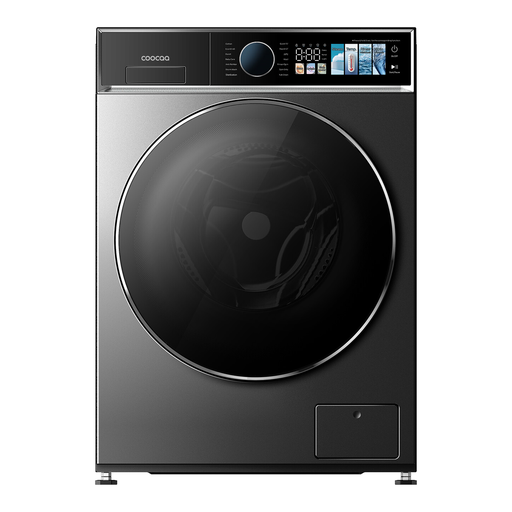
Why We Chose It This model combines a very large 12 kg washing machine capacity with high energy efficiency (A-30%). The machine is equipped with a brushless motor and a comprehensive suite of programmes, including a steam function and specific cycles for baby clothes and pet hair.
Advantages
Who is this for? Large families (5+ people) who have a lot of laundry and require hygienic wash results and specific programmes for things like pets.
View the coocaa Galaxy A7 Series 12 kg
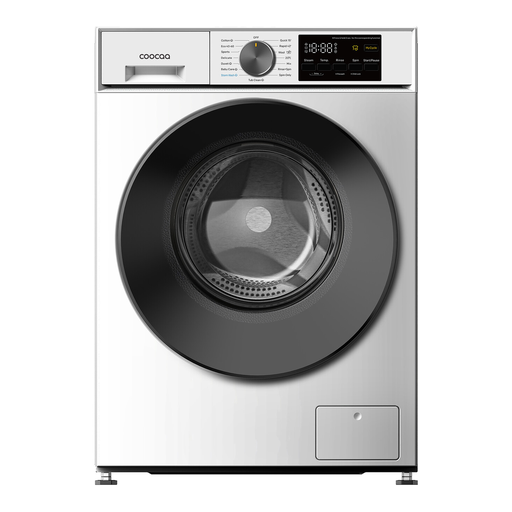
Why We Chose It The coocaa washing machine with a 9 kg load capacity is an all-rounder for the average family. This model also features an efficient BLDC motor (A-30%), a steam function, and a special programme for baby clothes, making it a practical choice.
Advantages
Who is this for? Families of 3 to 4 people looking for an energy-efficient and reliable washing machine with modern features like steam cleaning.
View the coocaa Galaxy A3 Series 9 kg
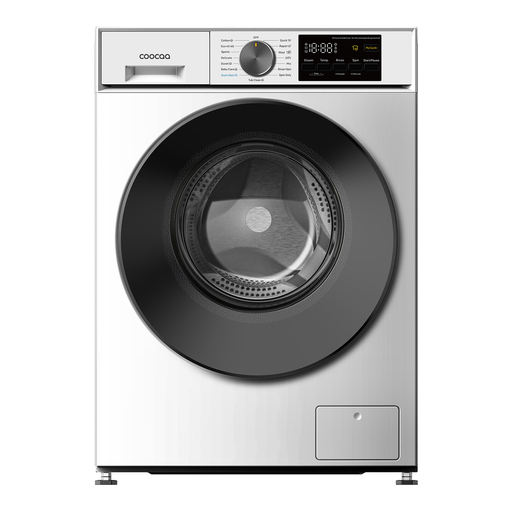
Why We Chose It With a 7 kg load capacity and a slim design (440 mm deep), this model is a fitting solution for smaller spaces, such as apartments. Despite its compact size, this machine offers advanced features, including a BLDC motor (A-10%), steam washing, and a 'Baby Care' programme.
Advantages
Who is this for? Singles, couples, or small families living in an apartment or house with limited space, who don't want to compromise on modern, hygienic washing features.
View the coocaa Galaxy A3 Series 7 kg
The models above offer a good balance between capacity and functionality. If you prefer a different load capacity or specific features, you can browse our full range. All models meet high efficiency standards.
Discover more options in our Energy Class A Washing Machine category.
1. What does a brushless motor in a washing machine mean? A brushless motor (BLDC) does not use carbon brushes, which cause friction and wear in traditional motors. This makes the motor quieter, more durable, and more energy-efficient. It can regulate its speed more precisely, leading to better washing performance and fewer vibrations.
2. Is a washing machine with a steam function really more efficient? A steam programme itself consumes energy to heat water into steam. The savings come from other aspects. Steam helps to de-wrinkle clothes, which means ironing is needed less often (saving on the energy costs of the iron). Additionally, steam can be effective at removing bacteria at lower temperatures, meaning a 60 or 90-degree wash is not always necessary.
3. What load capacity do I need for my household? A general guideline is: