
Vandaag of morgen in huis

Kwaliteit gegarandeerd

Welkomstaanbiedingen ontgrendelen: GRATIS bezorging | Tot 80% korting | Gratis 30 dagen JoyPlus-proefperiode
Download de app
Buying energy drinks seems simple: choose a flavour, compare the price and place your order. Yet many consumers end up paying too much for a product that does not suit how they use it. Online purchases in particular come with three common pitfalls.
The first is marketing around “focus”, “performance” or “clean energy”. Such terms mean little without looking at the ingredients and dosage. According to brands’ own information, caffeine, vitamins or amino acids may support certain functions, but that does not automatically make a drink suitable for every user.
The second pitfall is looking only at the price of a can. An energy drink offer may seem attractive, while a small can or single pack ultimately works out more expensive than an energy drink 12-pack. Always check the volume per can, the number of units and the price per litre.
The third pitfall is confusing a caffeinated drink with a standard sports drink. AA Drink High Energy, for example, is a hypertonic sports drink containing carbohydrates, but the product information does not mention caffeine. If you specifically want a caffeinated sports drink or pre-workout drink, you therefore need to look beyond the name “High Energy”.
The caffeine content is often shown per 100 ml on the label. Convert this figure to the full can. A drink with 32 mg of caffeine per 100 ml contains around 80 mg in a 250 ml can. A 500 ml can with 30 mg per 100 ml contains approximately 150 mg.
This difference matters when you are considering buying Monster Energy, buying Red Bull or choosing a brand such as Celsius, Ghost Energy or a pre-workout shot. The reference products vary considerably:
Bear in mind the caffeine you consume from coffee, tea, cola and food supplements. Packaging generally carries a warning about high caffeine content. These drinks are not recommended for children, pregnant women, breastfeeding women or people who are sensitive to caffeine. Always follow the instructions for use on the label.
A sugar-free energy drink usually contains sweeteners, not necessarily just water and caffeine. So check the ingredients list if you are looking for an energy drink without sugar.
Examples from the range:
A sugary drink may better suit your taste and preferences in terms of its ingredients, but compare the total amount per can. Do not be guided solely by terms such as “light”, “zero” or “natural flavour”.
A multipack is practical for regular use, but do not buy energy drinks in bulk before estimating your consumption. A 24-pack takes up more space and can be inconvenient if you have not tried the flavour before. Also check the best-before date, storage instructions and pack size.
A 250 ml can is easy to take with you. A 473 or 500 ml can contains more drink, but often also more caffeine per pack. 60 ml shots are compact and intended for a specific occasion, usually before exercising. They are therefore not the same as a standard energy drink for travelling, gaming or use at the office.
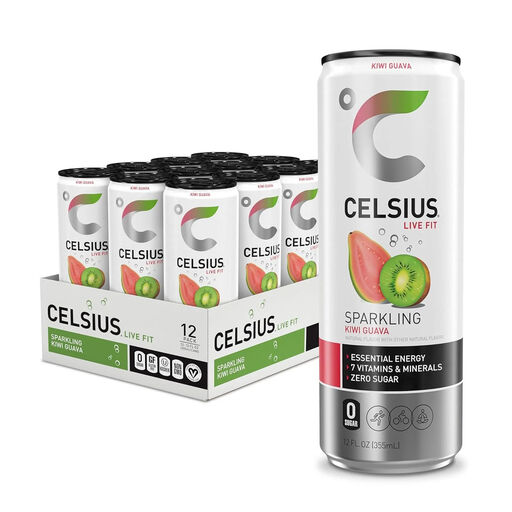
Why it suits this profile: The 12 250 ml cans are easy to portion out and contain 0 grams of sugar and 3 kcal per 100 ml, according to the product information.
The sugar and calorie information is clearly stated per 100 ml, so you do not have to rely solely on the packaging text.
12 x 250 ml, 0 grams of sugar per 100 ml and a fruity kiwi and guava flavour.
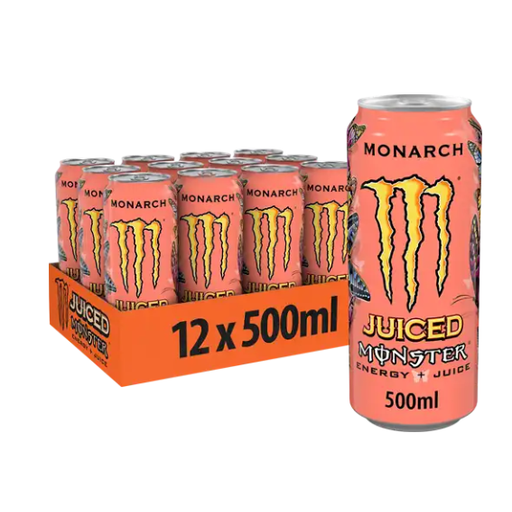
Why it suits this profile: This multipack is ideal for anyone looking for a larger pack and a fruity flavour with notes of peach and nectarine.
The packaging states both the caffeine content and the nutritional values. This makes it clear that this variant contains sugar.
12 500 ml cans, 5% fruit juice according to the product information and 30 mg of caffeine per 100 ml.
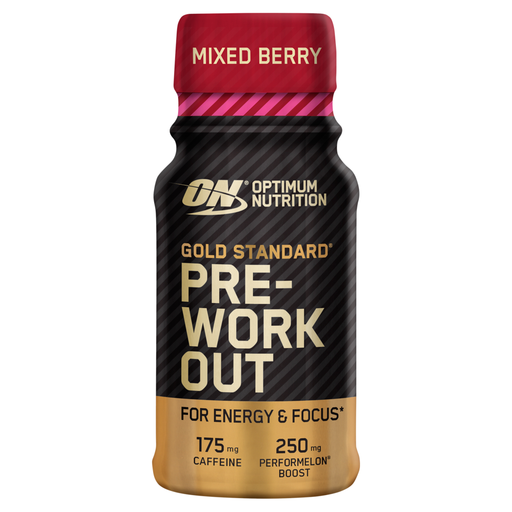
Why it suits this profile: The 60 ml bottle is designed to be taken before exercise and fits easily into a gym bag.
The recommended serving is one bottle per day. The amount of 175 mg of caffeine is stated per serving.
Sugar-free, 175 mg of caffeine and 1.5 g of beta-alanine per bottle, according to the product information.
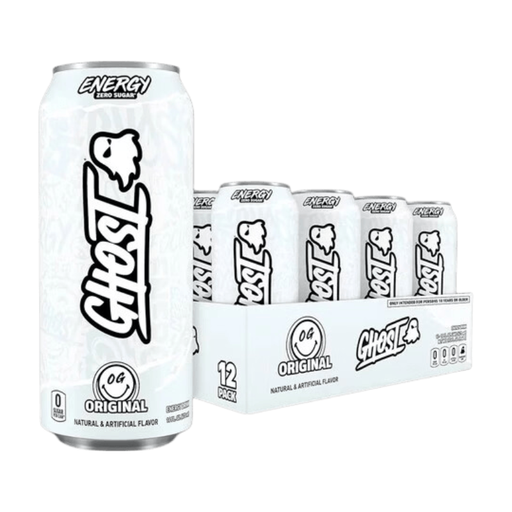
Why it suits this profile: The tray of 12 x 500 ml is aimed at adults who regularly drink a sugar-free beverage with a high caffeine content.
The product information states 200 mg of caffeine per can and advises against combining it with other sources of caffeine.
12 x 500 ml, 0 grams of sugar according to the product description and an Original flavour.
When comparing an energy drink offer, look at three figures: the price per can, the price per litre and the total order price, including any delivery costs. An energy drink 12-pack is convenient for home, the office or a gaming room, but a 24-pack is only good value if you will use the stock before its best-before date.
When ordering online, also check:
If you want to try different flavours, it is better to start with a smaller pack. If you already know which variant you like, buying energy drinks in bulk can help reduce the number of orders.
We have compiled a complete, up-to-date list of products that fully meet these strict selection criteria and the applicable European safety regulations.
Unopened cans can generally be stored until the best-before date shown on the packaging. Store them in a cool, dry place away from direct sunlight. Once opened, they should be kept refrigerated and used within the stated period, according to the product information.
No. A sugar-free energy drink is usually a ready-to-drink caffeinated beverage. A pre-workout drink or shot may also contain ingredients such as beta-alanine, amino acids or electrolytes. Check the dosage and recommended times of use on the label.
This depends on the number of cans and the price per pack. First calculate the price per can, then multiply it by your monthly consumption. Also consider the caffeine content: a larger can is not automatically better value if you do not need the full volume.
