
Vandaag of morgen in huis

Kwaliteit gegarandeerd

Welkomstaanbiedingen ontgrendelen: GRATIS bezorging | Tot 80% korting | Gratis 30 dagen JoyPlus-proefperiode
Download de app
Would you like to buy energy drinks online for work, studying, gaming, sport, travelling or an event? A large box may seem like the obvious money-saving choice. However, differences in caffeine, sugar, can size and shelf life can ultimately lead to a less suitable purchase.
Pay particular attention to these three common pitfalls:
Most energy drinks contain around 30 to 32 mg of caffeine per 100 ml, but the total amount depends on the can size. A 250 ml can with 32 mg per 100 ml contains around 80 mg of caffeine. A 500 ml can with 30 mg per 100 ml contains around 150 mg.
Some products differ from this. Ghost Energy, for example, states 200 mg of caffeine per can and, according to the product information, is intended for people aged 18 and over. Do not automatically combine products like these with coffee, pre-workout or other caffeinated drinks. Always follow the warning, age guidance and usage instructions on the packaging.
Under European labelling rules, drinks with a high caffeine content must carry a warning. Products in this category generally state that they are not recommended for children, pregnant women, breastfeeding women or people who are sensitive to caffeine.
A regular energy drink often contains around 11 grams of sugar per 100 ml. In a 250 ml can, that works out at approximately 27.5 grams of sugar. Examples include Red Bull Energy Drink 24 x 250 ml, Slammers Energy Refreshing Power Drink and Monster Energy Original 12 x 500 ml.
A sugar-free energy drink usually uses sweeteners such as sucralose, acesulfame-K or aspartame. This does not mean that the drink is unsweetened or that everyone will enjoy the same flavour. Slammers Sugar-Free, for example, lists aspartame as an ingredient, while Red Bull Sugar-Free and various Monster Ultra variants use other sweeteners.
If you want to limit calories and sugar, consider:
Small 250 ml cans are easy to take with you and offer a consistent serving size. A 24 x 250 ml pack of energy drinks is practical if you regularly need a can at the office, on long car journeys or at an event.
A 12 x 500 ml pack of energy drinks contains more liquid per can and is suitable for keeping at home or sharing. However, it takes up more space and, with a similar caffeine content, contains around twice as much caffeine as a 250 ml can.
Also check:
The recommendations below are based on verifiable information such as format, sugar content, caffeine information and pack size. Product information and availability may change, so always check the current product page and label.
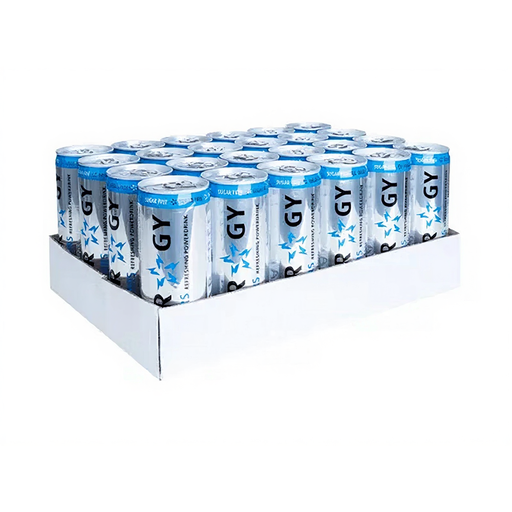
Why it suits this profile: The pack contains 24 cans of 250 ml, making it easy to spread across several occasions. The product information states 0 grams of sugar per 100 ml.
The information clearly states the sugar content and volume per can. This means you do not have to rely solely on packaging claims such as “light” or “sugar-free”.
24 x 250 ml, 0 grams of sugar per 100 ml according to the product label, and contains caffeine and taurine.
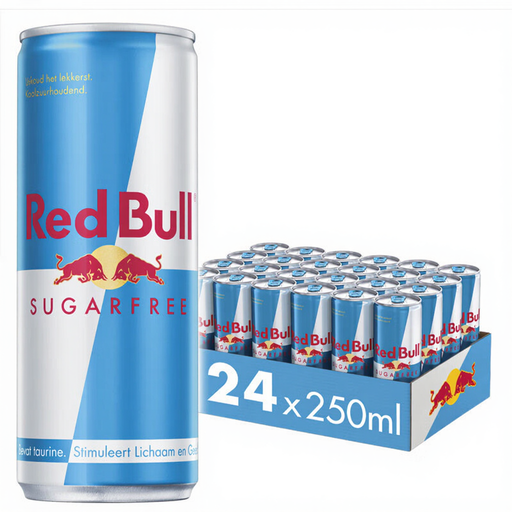
Why it suits this profile: This is a standard 24 x 250 ml format with a familiar recipe and clear nutritional information. It is suitable for consumers who want to weigh up the brand, serving size and sugar content together.
The product details state 32 mg of caffeine per 100 ml and 0 grams of sugar per 100 ml. This makes it easier to compare the format, caffeine and sugar content.
24 x 250 ml, sugar-free according to the product information, and around 80 mg of caffeine per can.
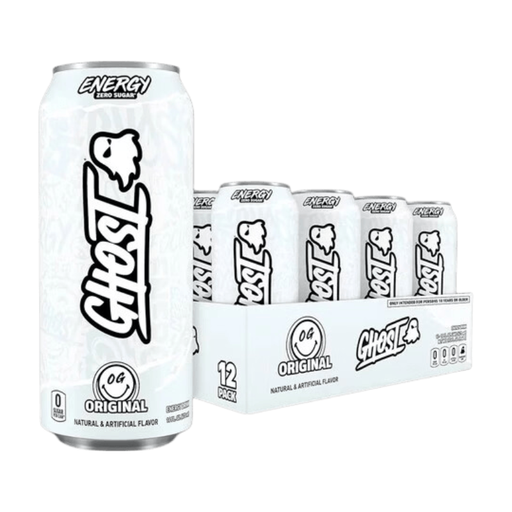
Why it suits this profile: The multipack contains 12 cans of 500 ml and is aimed at adult users specifically looking for a sugar-free drink with a high caffeine content.
The caffeine content of 200 mg per can is clearly stated in the product information. This shows that it is not a standard 250 ml can and that extra care is needed.
12 x 500 ml, 0 grams of sugar according to the product description and 200 mg of caffeine per can. According to the product information, intended exclusively for people aged 18 and over.
We have put together a complete, up-to-date list of products that fully meet these strict selection criteria and the applicable European safety regulations.
Check the best-before information on the can or box. Store unopened cans in a cool, dry place away from direct sunlight. After opening, refrigerate the product and use it within the period stated on the packaging.
It depends on the brand and the offer. Compare the price per litre, not just the price of the box. Also check the deposit and caffeine content per can. A smaller pack may also be more practical if you do not want to store half a can.
That depends on your preferences for sugar, format and caffeine. For work or when travelling, 250 ml cans are easy to portion. For longer-term use, a sugar-free option may be worth considering if you want to avoid sugar. Water remains important during sport; energy drinks are not a substitute for adequate fluid intake.
