
Vandaag of morgen in huis

Kwaliteit gegarandeerd

Welkomstaanbiedingen ontgrendelen: GRATIS bezorging | Tot 80% korting | Gratis 30 dagen JoyPlus-proefperiode
Download de app
Buying an energy drink seems simple: choose a flavour, click on a multipack and pay. Yet many consumers do not compare the details that ultimately make the biggest difference. An eye-catching can, for example, reveals little about the sugar content, caffeine levels or price per can.
When buying online, pay particular attention to these three pitfalls:
Energy drinks generally carry the designation high caffeine content when they contain more than 150 mg of caffeine per litre. Many products contain around 32 mg of caffeine per 100 ml. A 250 ml can therefore contains approximately 80 mg of caffeine. A 500 ml bottle or can may contain roughly twice as much at a similar ratio.
So do not look only at the brand name or flavour. A 500 ml caffeinated energy drink is suited to a different occasion than a 250 ml energy drink for drinking on the go. Also take caffeine from coffee, tea, cola and supplements into account.
These drinks are not recommended for children, pregnant women or breastfeeding women. People who are sensitive to caffeine should follow the warning on the label. Consume in moderation and do not use an energy drink as a substitute for sleep, water or a regular meal.
If you want to drink less sugar, look for an energy drink without sugar or a sugar-free energy drink. Check the nutrition table too: “zero” or “sugarfree” should be confirmed by the stated sugar content.
The product information for various Red Bull and Monster variants states 0 grams of sugar per 100 ml. These drinks do contain sweeteners, such as sucralose and acesulfame K. A regular variant may contain around 11 grams of sugar per 100 ml. In a 250 ml can, that amounts to approximately 27.5 grams of sugar.
Also consider differences in flavour. Fruity variants with peach, watermelon, citrus or forest fruits may offer a different level of sweetness, while the caffeine content remains similar.
An energy drink multipack is practical for a household, office or event. A tray of 12 x 250 ml contains 3 litres; 24 x 250 ml contains 6 litres. 500 ml bottles are convenient if you are looking for resealable packaging, but compare the total volume with canned packs.
For a fair comparison, calculate the price per can:
An energy drink offer is only worthwhile if the packaging, volume and flavour match your consumption. A large tray in an unfamiliar flavour may work out more expensive if some of it remains unused.
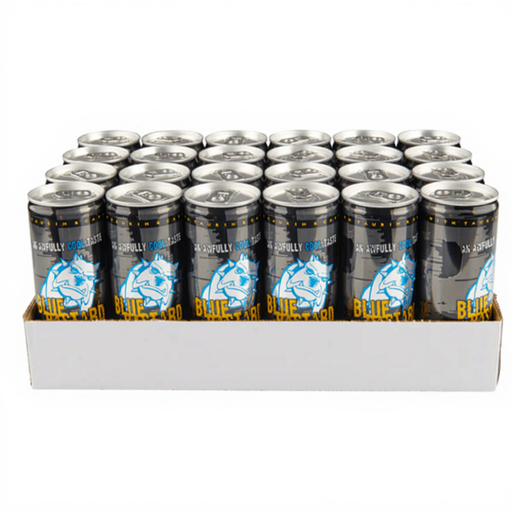
Why this suits the profile: A tray of 24 compact cans is ideal for keeping a supply at home, in the office or for an event. The price information states €11,39 plus a €3,60 deposit.
The fixed 250 ml size makes the amount per drinking occasion easy to keep track of. Do check the current price and deposit before buying.
24 x 250 ml, with caffeine, taurine and B vitamins; the product information states that it contains no artificial colourings or preservatives.
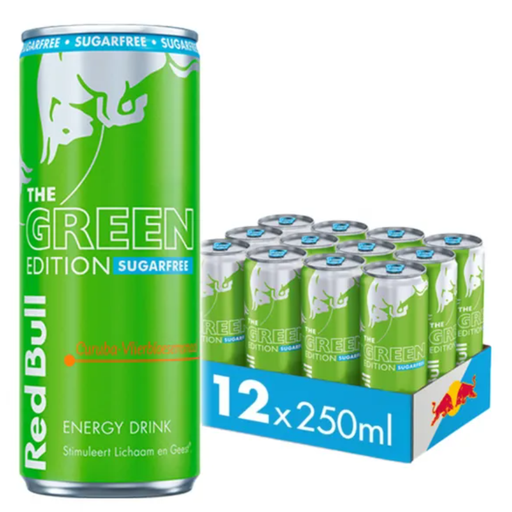
Why this suits the profile: For anyone looking for a distinctive-flavoured variant from a well-known brand while avoiding sugar. According to the product description, the flavour combination consists of curuba and elderflower.
The product details state 0 grams of sugar and 3 kcal per 100 ml. The caffeine content remains 32 mg per 100 ml, so sugar-free does not mean caffeine-free here.
12 cans of 250 ml; 0 grams of sugar per 100 ml; contains taurine, caffeine and B vitamins.
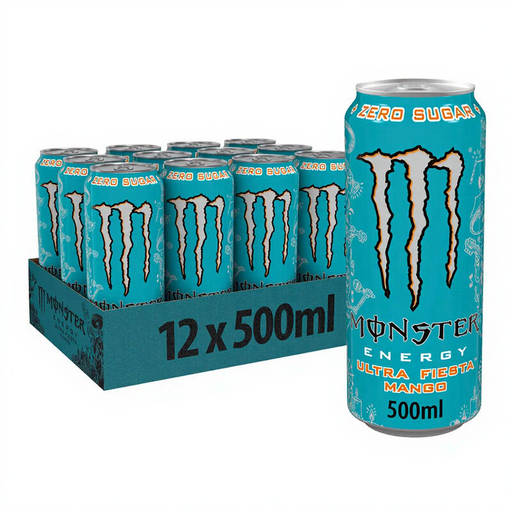
Why this suits the profile: The 500 ml packaging is intended for longer drinking occasions, such as during a long working day or while travelling. The product information mentions a mango flavour and a sugar-free formula.
The product specification states 0 grams of sugar per 100 ml. Because of the larger size, you should pay extra attention to your total caffeine intake from all sources.
12 bottles of 500 ml; sugar-free according to the product information; contains caffeine, taurine, ginseng, L-carnitine and B vitamins.
We have put together a complete, up-to-date list of products that fully meet these strict selection criteria and the applicable European safety regulations.
If you want to order a Red Bull energy drink, you can choose from classic, sugar-free and fruity variants. The Red Bull Sugar-Free pack of 24 x 250 ml states 0 grams of sugar per 100 ml and 32 mg of caffeine per 100 ml. According to the product information, the Pink Edition with forest fruit flavour also contains 0 grams of sugar.
For a regular variant, you could consider Red Bull Watermelon, Apricot-Strawberry or White Peach. These variants state approximately 11 grams of sugar per 100 ml and 32 mg of caffeine per 100 ml. Always check the current product information for limited-edition or seasonal flavours, as the range and packaging may change.
A Monster energy drink is also available in a variety of sizes and flavours. Alongside sugar-free Ultra variants, there are fruit juice variants, such as Monster Juiced Rio Punch and Bad Apple. According to the stated nutritional values, these do contain sugar. Comparing products based only on the brand name or can size therefore does not give you the full picture.
Use this checklist before you pay:
A product containing 32 mg of caffeine per 100 ml has approximately 80 mg of caffeine in a 250 ml can. Always check the label, as the caffeine content can vary by brand and variant.
Sugar-free means that it contains no sugar or virtually no sugar, but it says nothing about the amount of caffeine or the use of sweeteners. So compare the full nutrition table and take your total caffeine intake into account.
That depends on the offer, packaging and deposit. Calculate the price per can and check whether you will actually use the full quantity. A multipack is particularly practical if you regularly drink the same flavour or need supplies for the office and events.
