
Vandaag of morgen in huis

Kwaliteit gegarandeerd

Welkomstaanbiedingen ontgrendelen: GRATIS bezorging | Tot 80% korting | Gratis 30 dagen JoyPlus-proefperiode
Download de app
When you search for buying energy drinks, you quickly come across multipacks, well-known brands and terms such as “zero sugar” or “extra energy”. However, eye-catching design tells you little about the ingredients, serving size or total cost. By checking a few key points, you can avoid buying a pack that is too large, a flavour you do not like, or more sugar and caffeine than expected.
This guide is intended for adult consumers aged 16 and over who are looking for a caffeinated drink for work, study, travelling, long car journeys or busy days.
An energy drink offer may look attractive when you only consider the price per can. Also check the number of cans, the volume per can and any deposit charges. An energy drink multipack of 12 or 24 cans also requires storage space and is less convenient if you want to try a flavour first.
A sugar-free energy drink often still contains caffeine, taurine and sweeteners. Sugar-free therefore does not mean caffeine-free or automatically suitable for everyone. Check the label for caffeine per 100 ml and per can. Also look for warnings relating to children, pregnant women, breastfeeding women and people who are sensitive to caffeine.
A 500 ml can contains twice as much liquid as a 250 ml energy drink. With the same amount of caffeine per 100 ml, you will therefore also consume around twice as much caffeine per can. A large can is not always more practical: for a short break, an energy drink 250 ml may be a better fit, while an energy drink 500 ml may be intended for a longer occasion or for sharing.
Many regular energy drinks contain approximately 30 to 32 mg of caffeine per 100 ml. A 250 ml can then contains around 75 to 80 mg, while a 500 ml can may contain approximately 150 to 160 mg. Always check the current packaging, as recipes may vary between variants or markets.
Packaging with a high caffeine content should display a clear warning. Drink energy drinks in moderation and do not thoughtlessly combine them with other caffeinated products, such as coffee, tea or pre-workout supplements.
Compare the nutritional values per 100 ml. A sugar-containing variant may contain around 11 grams of sugar per 100 ml. With 500 ml, this rises to approximately 55 grams. A sugar-free variant generally contains little or no sugar, but may contain sweeteners such as sucralose, acesulfame-K or aspartame.
For example, Slammers Sugar-Free states 0 grams of sugar per 100 ml; the ingredients list includes sweeteners and aspartame, among other ingredients. If you are sensitive to certain ingredients, check the full ingredients list rather than just the front of the can.
A 250ml can is compact for travelling and suitable when you want to try a variant first. A 500ml can offers more volume, but is relatively large for a single short occasion. Also consider the flavour profiles:
Also check the best-before date on the packaging and store unopened cans in a cool, dry place away from direct sunlight.
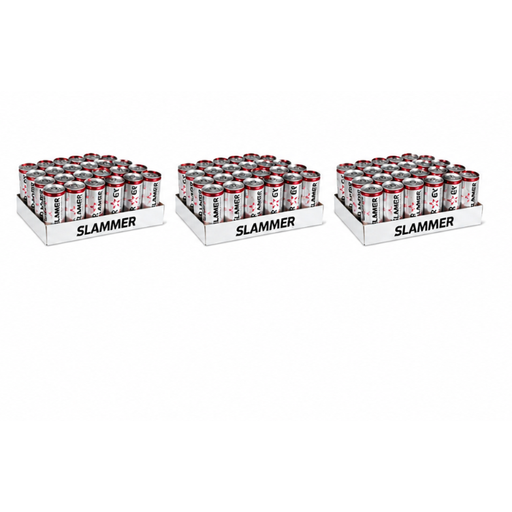
Why it suits this profile: The 3-pack is a smaller purchase than a box of 24, allowing you to try a flavour without immediately buying a large supply.
The smaller pack reduces the risk of being left with too much stock after a disappointing purchase. Do check the price per can and the deposit information.
3 cans; 250 ml per can; according to the product information, this variant contains sugar and 0.032% caffeine.
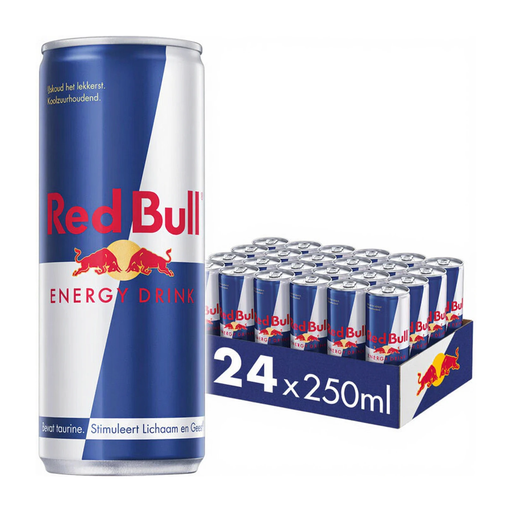
Why it suits this profile: This is a familiar choice in the compact 250ml format, ideal for keeping a regular supply at the office, at home or on the go.
The consistent serving size makes the contents easy to compare. The can states 32 mg of caffeine per 100 ml and approximately 11 grams of sugar per 100 ml; check the packaging when buying.
24 x 250 ml; familiar flavour and clear nutritional information; also available as a sugar-free variant.
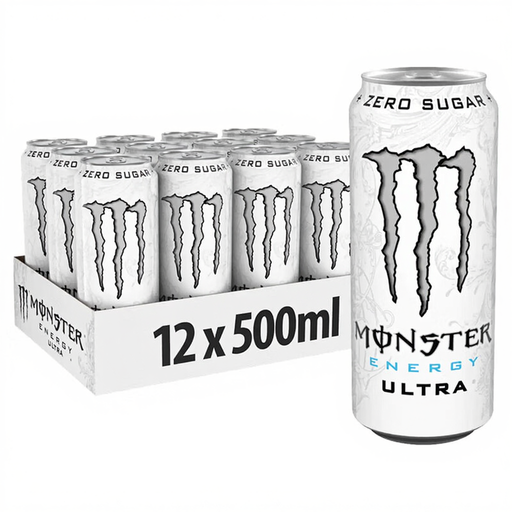
Why it suits this profile: The 12 large cans are practical for people who regularly choose a sugar-free variant and would rather not reorder as often.
The product information states 0 grams of sugar per 100 ml. The can is still 500 ml, so check the caffeine content before consuming several cans.
Sugar-free citrus variant; 12 x 500 ml; according to the product information, 12 kcal per 500 ml can.
We have compiled a complete, up-to-date list of products that fully meet these strict selection criteria and the applicable European safety regulations.
First compare the volume per can, caffeine content, amount of sugar and total price, including the deposit. Then consider the flavour and size. With a large box, the price per can is often important, but do not buy more than you can store within the best-before period and your normal consumption.
A sugar-free variant usually contains fewer calories from sugar, but may contain sweeteners and still include caffeine. Therefore, check both the nutrition table and the ingredients list. “Sugar-free” does not tell you how much caffeine a can contains.
250 ml is generally more practical for a short occasion, when travelling or when you want to try a flavour. 500 ml provides more volume and is suitable for longer use, but with a similar recipe it also contains more caffeine and other nutrients per can. Choose based on when and how you will drink it, rather than simply on the lower price per millilitre.
