
Vandaag of morgen in huis

Kwaliteit gegarandeerd

Welkomstaanbiedingen ontgrendelen: GRATIS bezorging | Tot 80% korting | Gratis 30 dagen JoyPlus-proefperiode
Download de app
Buying an energy drink seems straightforward: choose a flavour, select a brand and order a multipack. However, pack sizes, caffeine content, sugar levels and price per can can vary considerably. A low promotional price may also be less attractive if you buy a large format that you cannot finish in time.
For adults, students, drivers, athletes and offices, three pitfalls are particularly important:
A 250 ml energy drink is convenient for a short refreshment break and fits easily in a bag or cup holder. A 500 ml energy drink provides more drink, but with a similar composition it also contains more caffeine and other ingredients per can.
Calculate the price per can when buying a multipack:
Total product price ÷ number of cans = price per can
Also check the deposit. For some offers, the deposit is listed separately; for other products, it is already included in the displayed price. Always check the product information before completing your purchase.
An energy drink containing caffeine should be assessed carefully based on the amount per serving. Red Bull, for example, states 32 mg of caffeine per 100 ml, which works out at 80 mg in a 250 ml can. A 500 ml can with the same concentration contains 160 mg.
The Dutch Nutrition Centre advises adults to monitor their total caffeine intake from all sources. The product packaging remains the definitive reference, as recipes can change. Do not drink energy drinks as a substitute for sleep, water or a varied diet. They are generally not recommended for children or for pregnant or breastfeeding women. People who are sensitive to caffeine or have a medical condition should check the label and, if necessary, seek professional advice.
A standard energy drink often contains sugar. Slammers Energy Refreshing Power Drink, for example, states 11.4 grams of sugar per 100 grams, while Red Bull Original states 11 grams of sugar per 100 ml. With a 500 ml can, this can quickly add up.
A sugar-free energy drink usually contains sweeteners such as sucralose, acesulfame-K or aspartame. This does not automatically mean that the drink is suitable for everyone. Check the full ingredients list, allergen information and warnings on the can.
Terms such as energy drink with taurine also say nothing by themselves about the drink’s overall effect. Taurine is just one ingredient in the recipe. Brands may communicate benefits relating to energy, alertness or focus; do not present these as guaranteed results. According to the brand’s own research or marketing communications, these are product claims. Focus instead on comparing the verifiable information on the label.
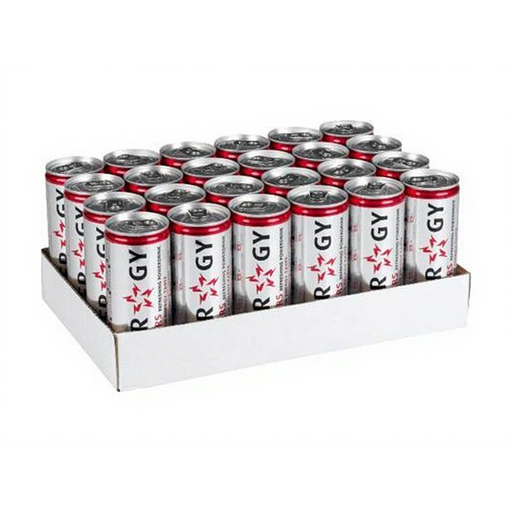
Why it suits this profile: The pack contains 24 cans of 250 ml, a practical size to keep at home, in an office or on a long drive.
The fixed quantity and size make it easy to calculate the price per can. The product information also states 0.032% caffeine, 0.03% taurine and 11.4 grams of sugar per 100 grams.
24 x 250 ml; contains caffeine, taurine and B vitamins; suitable for anyone looking for a standard-sized can.
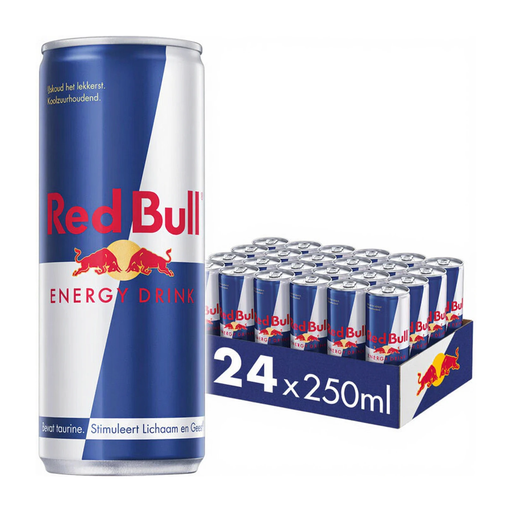
Why it suits this profile: If you are looking for a familiar recipe and a compact can, this pack offers 24 servings of 250 ml with clearly stated nutritional values.
The specifications state 32 mg of caffeine and 11 grams of sugar per 100 ml. This allows you to compare it with other brands instead of relying solely on the packaging.
24 x 250 ml; contains taurine and B vitamins; familiar serving size.
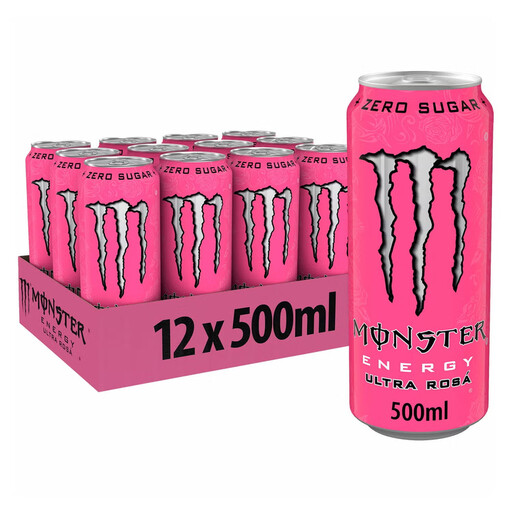
Why it suits this profile: The 500 ml cans are designed for anyone who wants more drink per pack and is looking for a sugar-free variety with a fruity flavour.
The product details state 0 grams of sugar, 2 kcal and 32 mg of caffeine per 100 ml. However, because each can is 500 ml, one can contains more caffeine than a 250 ml can.
12 x 500 ml; sugar-free; 2 kcal per 100 ml; contains taurine and B vitamins according to the product information.
We have put together a complete, up-to-date list of products that fully meet these strict selection criteria and the applicable European safety regulations.
If you are looking for a different flavour or volume, you could also consider:
A multipack is often practical if you drink energy drinks regularly. Always compare the price per can and per 100 ml. Also check the deposit, delivery costs and best-before date. For occasional use, a smaller pack may be a wiser choice than a large stockpile.
Not necessarily. The concentration may be the same, but a 500 ml can contains more total caffeine and sugar when the values per 100 ml are identical. So check both figures: per 100 ml and per can.
Store unopened cans in a cool, dry place away from direct sunlight. Place an opened can in the fridge and follow the instructions on the packaging. Before drinking, check the seal, ingredients and best-before information.
