
Vandaag of morgen in huis

Kwaliteit gegarandeerd

Welkomstaanbiedingen ontgrendelen: GRATIS bezorging | Tot 80% korting | Gratis 30 dagen JoyPlus-proefperiode
Download de app
When buying energy drinks online, shoppers often look first at the brand, flavour and price. However, it is mainly the caffeine content, sugar content, size and packaging that determine whether a purchase suits your needs. For example, a cheap multipack is not practical if you only want to enjoy a can occasionally. And a sugar-free energy drink is not automatically suitable for everyone.
In this guide, the Joybuy Product Recommendation Officer compares the key factors. This allows you to compare energy drinks, 250 ml energy drinks, 500 ml energy drinks, multipacks and functional drinks using verifiable product information.
An energy drink offer may look appealing, but always check:
An energy drink multipack containing 12 or 24 cans can offer good value for everyday use, in an office or in a shared household. For occasional use, a smaller pack may be more practical.
A sugar-free energy drink will generally still contain caffeine. For example, the product information for Red Bull Sugar-Free states that it contains 32 mg of caffeine per 100 ml. In a 250 ml can, that works out at approximately 80 mg. Monster Ultra White states that it contains 0 grams of sugar per 100 ml, but the product information confirms that it does contain caffeine.
Always check both values: sugar and caffeine. Also check the sweeteners used, such as sucralose, acesulfame K, aspartame or steviol glycosides.
Not every drink designed for use during sport is a traditional energy drink. A sports drink may be intended to provide fluids, electrolytes or protein, and does not necessarily contain the same amount of caffeine. A protein drink, such as Protein Water, is a separate product category.
So consider the purpose: are you looking for caffeine to help you stay alert, a drink to have around physical activity, or protein and electrolytes?
In the Netherlands and the European Union, drinks containing more than 150 mg of caffeine per litre must carry a high-caffeine warning, with the caffeine content expressed in mg per 100 ml. The products in this overview state their caffeine content in different ways.
Examples from the product information:
Check the current packaging before ordering. The product information advises people who are sensitive to caffeine, children, pregnant women and breastfeeding women not to consume these drinks. In addition, do not thoughtlessly combine caffeinated drinks with coffee or other sources of caffeine.
A standard energy drink often contains sugar. For example, Red Bull Energy Drink states that it contains 11 grams of sugar per 100 ml. In a 250 ml can, that is approximately 27.5 grams. Monster Original states 11 grams of sugar per 100 ml, while Monster Ultra White and Red Bull Sugar-Free state, according to their product information, that they contain 0 grams of sugar per 100 ml.
For sugar-free products, check which sweeteners are used. If you have an allergy, intolerance or specific dietary preference, always read the ingredients list on the can or bottle.
A 250 ml can is easier to portion and carry with you. A 500 ml pack generally contains around twice as much drink and therefore also more caffeine per can. This can be practical for long working days, but less suitable if you want to drink a smaller amount.
For travelling, during a day of lectures or on a single car journey, 250 ml may be sufficient. If you are looking for supplies for home or the office, you can compare a 24-pack based on the price per can. When driving, always use caffeine responsibly: caffeine is no substitute for rest or sleep.
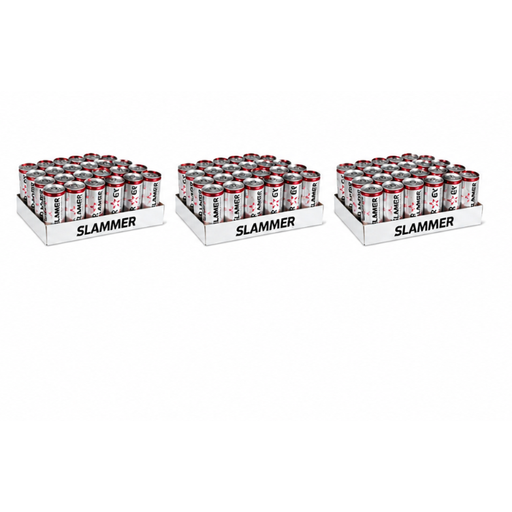
Why it suits this profile: A smaller pack of three cans is ideal for trying a flavour and size first, without immediately buying a large supply.
The smaller pack reduces the risk of making an impractical bulk purchase. The product information states that each can contains 250 ml and 11.4 grams of sugar per 100 ml.
3-pack with 250 ml per can; according to the ingredients list, contains 0.032% caffeine and 0.03% taurine.
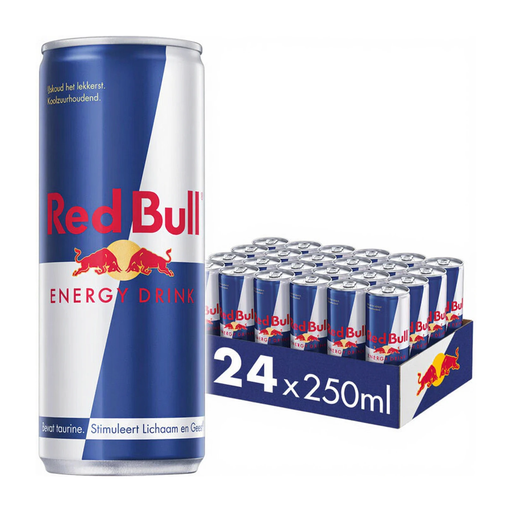
Why it suits this profile: If you are looking for a familiar flavour and recognisable 250 ml format, you can compare this multipack with other brands based on the information on the label.
The product details state both the sugar and caffeine content per 100 ml. This allows you to compare the contents rather than relying solely on brand recognition.
24 cans of 250 ml; according to the product information, 32 mg of caffeine and 11 grams of sugar per 100 ml.
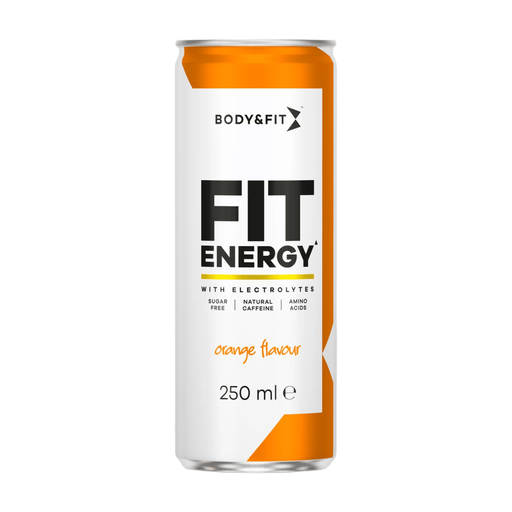
Why it suits this profile: This drink is aimed at adults looking for a sugar-free formula with electrolytes and amino acids to enjoy around sport or an active occasion.
The product information clearly states that it contains 250 ml, with 100 mg of caffeine per can and negligible amounts of sugar.
70 mg of magnesium, 100 mg of caffeine and added electrolytes per can according to the product details; orange flavour.

Why it suits this profile: The 12-pack with its citrus profile is suitable for adults looking for larger cans and a sugar-free option to keep in stock.
The specifications state 0 grams of sugar per 100 ml and a volume of 500 ml. This makes it clear in advance that each can contains more than a standard 250 ml can.
12 cans of 500 ml; according to the product information, 0 grams of sugar, 12 kcal per 500 ml and a citrus-style flavour.
We have put together a complete, up-to-date list of products that fully meet these strict selection criteria and the applicable European safety regulations.
For athletes, an energy drink for sport is not always the most suitable choice. According to the product information, the Body & Fit Fit Energy Drink contains magnesium, amino acids, taurine and electrolytes, among other ingredients. This gives it a different formula from a standard caffeinated soft drink.
If you are mainly looking for protein, consider the Optimum Nutrition Protein Water Variety Bundle. Each 350 ml bottle states that it contains 16 grams of whey protein, 0 grams of sugar and 64 kcal. This is not a traditional energy drink and, according to the stated composition, no caffeine is listed. The bottle contains milk ingredients, so check the allergen information.
For fluids and electrolytes without a can, you can compare the Applied Nutrition Electrolytes Hydration Stick Packs. According to the product information, one stick is dissolved in 200 to 500 ml of water. This product is a food supplement, not an energy drink, and has a recommended maximum dose of one stick per day.
It varies by brand. Red Bull Energy Drink states 32 mg per 100 ml, which works out at approximately 80 mg per 250 ml can. Body & Fit Fit Energy Drink states 100 mg per can. Always check the label, particularly if you consume several caffeinated drinks in one day.
Sugar-free means that the drink contains no sugar or virtually no sugar, but it does not mean that it is caffeine-free. Sweeteners may be used instead of sugar. Compare the sugar, caffeine, calorie and ingredient content separately. A sugar-free variant may suit someone who wants to reduce their sugar intake, but the right choice also depends on caffeine sensitivity and when you plan to drink it.
That depends on the activity and the formula. A traditional energy drink often contains caffeine and sugar or sweeteners. A sports drink with electrolytes or a protein drink serves a different purpose. Read the directions for use and nutritional information, and choose a product that suits your activity, fluid requirements and personal dietary preferences.
