
Vandaag of morgen in huis

Kwaliteit gegarandeerd

Welkomstaanbiedingen ontgrendelen: GRATIS bezorging | Tot 80% korting | Gratis 30 dagen JoyPlus-proefperiode
Download de app
Facing a long workday, a tough study session, or an intense workout? Sometimes you just need an extra boost. An energy drink might seem like a quick fix, but the market is vast, and not every can is worth the price. Many people fall for marketing traps and end up with a product that doesn't suit their needs or, worse, is packed with hidden sugars. As a Joybuy Product Recommendation Officer, I'm here to help you make the right choices, based on facts, not hype.
Before you stock up on a whole case of energy drinks, it's wise to be aware of a few common pitfalls:
To avoid a bad purchase, it helps to know what to look for. By checking three simple specifications on the label, you can make a much more informed choice.
Caffeine is the main ingredient that makes you feel more alert. The amount can vary significantly. Most well-known brands like Red Bull and Monster Energy contain around 32 mg of caffeine per 100 ml, comparable to a cup of filter coffee. Products aimed at athletes, such as a pre-workout shot, can contain considerably more, sometimes 175 mg or more per serving. Consider what you're using the drink for: you'll need less for a gentle pick-me-up while studying than for a heavy weight training session.
The choice between an energy drink with or without sugar is personal and depends on your goals.
Besides caffeine, many energy drinks contain additives like taurine, B-vitamins (such as B6 and B12), and sometimes L-carnitine or ginseng. According to manufacturers, B-vitamins contribute to a normal energy-yielding metabolism and the reduction of fatigue. Taurine is an amino acid that occurs naturally in the body. While these ingredients are standard in most formulas, it's good to know that you can also get pure supplements, like a caffeine supplement or taurine powder, if you wish to avoid the other additives.
Based on objective product specifications, we have selected a few options that suit different user profiles.
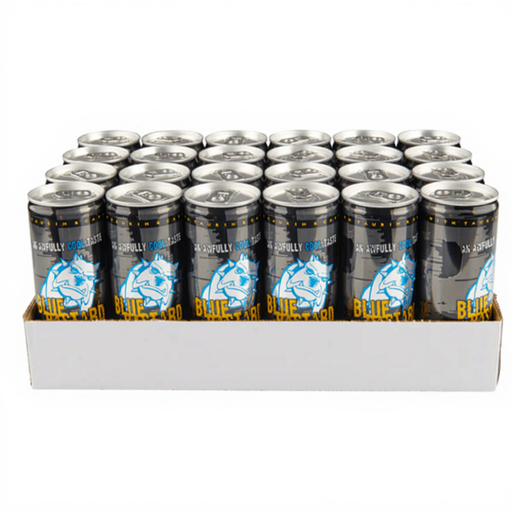
Why This Fits Their Persona: Ideal for those who regularly drink energy drinks and want to stock up without paying a premium. Perfect for the office, the break room, or for students pulling an all-nighter.
This product bypasses the 'premium price' trap. It offers a classic energy drink formula with caffeine, taurine, and B-vitamins in an economical bulk package.
Cost-effective case of energy drinks with 24 cans. Contains the standard amount of caffeine (32 mg/100 ml) for a reliable boost.
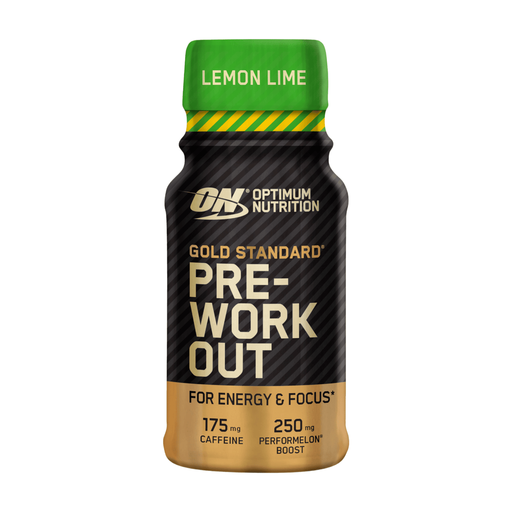
Why This Fits Their Persona: Specifically designed for athletes seeking a powerful, functional boost right before their workout. No unnecessary additives, just a concentrated dose of active ingredients in a convenient shot.
This product is the antithesis of the 'sugar trap'. It's a sugar-free pre-workout focused purely on performance, without the calories and crash of a sugary drink.
Contains 175 mg of caffeine per shot for heightened alertness. Enriched with 1.5g of beta-alanine and vitamins B6 and B12, which contribute to a normal energy-yielding metabolism.
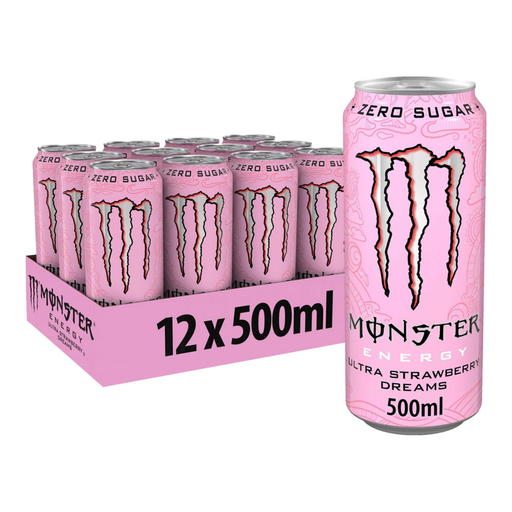
Why This Fits Their Persona: For those who drink energy drinks not just for function, but also for flavour. This version offers a refreshing and fruity experience, ideal for gaming, studying, or as a tasty treat—but without the sugar.
This is a perfect example of how you don't have to compromise on taste when avoiding sugar. It prevents the bulk-buying blunder because its popular flavour is a safe bet for many.
Completely sugar-free with a crisp strawberry flavour. Contains 150 mg of caffeine per 500 ml can, plus B-vitamins to support energy levels.
We have compiled a complete, up-to-date list of products that meet these selection criteria and local regulations.
Although the names are similar, they serve different purposes. An energy drink is primarily designed to increase mental alertness and focus, mainly through caffeine. A sports drink, on the other hand, is intended to replenish fluids, electrolytes (salts), and carbohydrates lost through sweat during exercise. Sports drinks typically contain little to no caffeine.
Health authorities advise adults to consume no more than 400 milligrams of caffeine per day. For most energy drinks (with 32 mg/100 ml), this equates to a maximum of five 250 ml cans. Lower limits are recommended for pregnant or breastfeeding women and adolescents. Always read the label for the exact amount of caffeine and the manufacturer's recommendations.
You can often find a good energy drink deal by buying in bulk. A case of energy drinks is almost always cheaper per can than buying them individually at the supermarket. Keep an eye on online platforms for seasonal deals and discounts on bulk packs of popular brands like Monster Energy and Red Bull, or on budget-friendly alternatives.
