
Vandaag of morgen in huis

Kwaliteit gegarandeerd

Welkomstaanbiedingen ontgrendelen: GRATIS bezorging | Tot 80% korting | Gratis 30 dagen JoyPlus-proefperiode
Download de app
Buying an energy drink might seem straightforward, but the differences between can sizes, caffeine content and sugar levels are significant. A flashy label doesn’t always tell you what you practically need. If you only look at flavour or a discount, you could end up with a large multipack that contains too much sugar, doesn’t suit when you’ll drink it, or delivers unnecessary amounts of caffeine.
Pay particular attention to three common pitfalls:
Always compare both values. On the label, caffeine is usually listed per 100 ml, but you drink the full amount per can. A drink with 32 mg of caffeine per 100 ml contains around 80 mg in a 250 ml can. A 500 ml can with 30 mg per 100 ml works out at roughly 150 mg.
European labelling regulations require a warning and a declaration of caffeine content for drinks with a high caffeine level. Product information from brands generally advises against energy drinks for children, pregnant women and women who are breastfeeding. If you are sensitive to caffeine, take medication or have a medical condition, check the label and, if necessary, ask a doctor or pharmacist for advice.
A standard energy drink often contains around 10 to 14 grams of sugar per 100 ml. Red Bull Energy Drink, for example, lists 11 grams of sugar and 46 kcal per 100 ml. Slammers Energy Refreshing Power Drink lists 11.4 grams of sugar and 205 kJ per 100 grams.
A sugar-free energy drink usually contains sweeteners such as sucralose, acesulfame-K or aspartame. Slammers Sugar-Free lists 0 grams of sugar, but according to the product information it does contain aspartame. So check the ingredients if you want to avoid certain sweeteners.
Choose the format based on how you’ll use it:
For sport, an energy drink isn’t always appropriate. Applied Nutrition NA11 Hydration contains, according to the product information, 500 mg of sodium, 190 mg of potassium and 56 mg of magnesium per 330 ml can, with no sugar and 7 kcal. This is a caffeine-free option for adults looking for an electrolyte drink around exercise. For recovery after training, a protein drink or protein shake may be more practical. Optimum Nutrition Protein Water contains, according to the product specification, 16 grams of whey protein per 350 ml bottle, 64 kcal and no sugar; the product does contain milk.
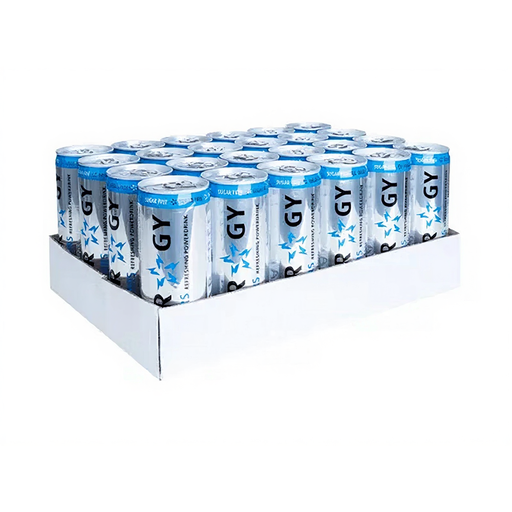
Why this fits the profile: An energy drink multipack with compact cans and, according to the product information, 0 grams of sugar and 9 kcal per 100 grams. Handy when you want to stock up on multiple servings without a large can size.
The label makes the sugar content clear. Do check the listed sweeteners, including aspartame, and the caffeine content of 0.032%.
24 x 250 ml, sugar-free according to the product information and suitable for controlling your intake per can.
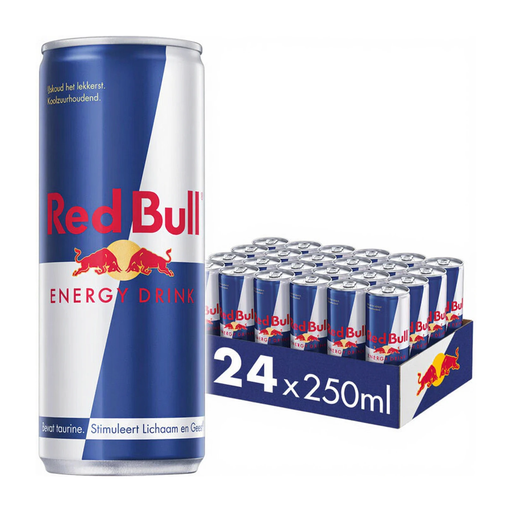
Why this fits the profile: A recognisable choice for work, study, travel or stocking up at home, with a consistent 250 ml per can.
The portion size stops you from automatically drinking half a litre. According to the product information, it contains 32 mg of caffeine and 11 grams of sugar per 100 ml.
24 x 250 ml, clear nutritional information and a format suitable for controlled consumption.
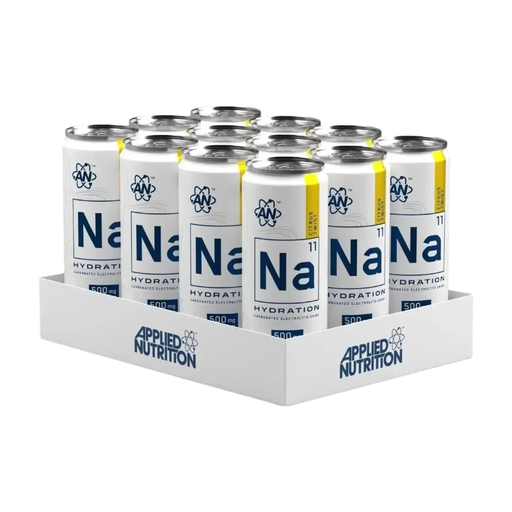
Why this fits the profile: Aimed at adults looking for a caffeine-free electrolyte drink without sugar during or around exercise.
It is not an energy drink based on caffeine and sugar. Per can it lists 0 grams of sugar, 7 kcal and 500 mg of sodium.
330 ml per can, caffeine-free, with sodium, potassium and magnesium; according to the product information also gluten-free and halal-certified.
We’ve put together a full, up-to-date list of products that fully meet these strict selection criteria and comply with current European safety regulations.
Sugar-free varieties generally contain fewer calories than regular energy drinks. Monster Ultra White, for example, lists 12 kcal per 500 ml can, while Monster Ultra Peachy Keen lists 0 kcal according to the product information. Always check the current label, as recipes and nutritional values can change.
That depends on your goal. An energy drink contains caffeine and isn’t automatically intended for hydration. For prolonged or intense exercise, a sports drink with electrolytes may be better suited to your needs. Pay attention to sodium, potassium, magnesium, sugar and caffeine. A vegan sports drink in powder form, such as Applied Nutrition Electrolytes Hydration Stick Packs, can be handy on the go; according to the product information, you dissolve one stick in 200 to 500 ml of water.
A multipack can lower the price per can, but compare the total price, content per can, price per litre and any deposit. Only buy a large pack if you’ll use the drink before the best-before date. Store unopened cans in a cool place out of direct sunlight and follow the instructions on the packaging once opened.
