
Vandaag of morgen in huis

Kwaliteit gegarandeerd

Welkomstaanbiedingen ontgrendelen: GRATIS bezorging | Tot 80% korting | Gratis 30 dagen JoyPlus-proefperiode
Download de app
Are you looking to buy energy drinks for work, study, travel, gaming or a social occasion? You’ll quickly come across dozens of flavours, can sizes and multipacks. A striking design or a temporary energy drink deal doesn’t tell you much about what actually suits your needs.
The main differences usually come down to three things: caffeine content, sugar content and volume per can. The number of cans and any deposit also affect the real price. Use the checklist below to avoid buying too much, getting bored of a flavour, or accidentally consuming more caffeine and sugar than you planned.
A 500 ml energy drink contains twice as much liquid as a 250 ml can. With a caffeine content of around 30 to 32 mg per 100 ml, the amount of caffeine per can quickly adds up. For a quick boost on the go, 250 ml energy drink can be more practical. A 500 ml can works better when you deliberately choose a larger portion and check the label beforehand.
Flavours like mango, peach, apple or watermelon can contain sugar. For example, Monster Energy Juice Mango lists 11 grams of sugar per 100 ml. The standard Red Bull variants in this selection also contain around 11 grams of sugar per 100 ml. If you want less sugar, you need to specifically look for a sugar-free energy drink and check the nutritional information. That way, you won’t rely on the flavour name alone.
An energy drink multipack often lowers the price per can, but a large stock of one flavour can disappoint. Also check the best-before date, storage conditions and any deposit. Some Monster products include a deposit amount in the product information. So always check the final price in your basket.
The label usually shows the amount of caffeine per 100 ml. Red Bull products in this selection list 32 mg of caffeine per 100 ml, which is about 80 mg in a 250 ml can. Various Monster variants list around 30 mg per 100 ml; a 500 ml can then contains about 150 mg.
The exact amount can vary between variants. So don’t just compare the brand, but also the size. Caffeinated energy drinks are not intended for children. The product information also advises against consumption for pregnant women, breastfeeding women and people who are sensitive to caffeine. Take into account caffeine from coffee, tea and other drinks, and follow the instructions on the packaging.
A regular energy drink often contains sugar and glucose. A sugar-free version uses sweeteners such as sucralose, acesulfame-K or cyclamates. This changes the taste and composition, but not automatically the caffeine content.
Examples from the range:
Always check the current label. Product recipes and packaging can change.
A Red Bull multipack in this selection often contains 12 or 24 cans of 250 ml. Monster multipacks usually consist of 12 cans of 500 ml. Slammers is available as 24 x 250 ml and as a 3-pack.
For a fair comparison, do the following:
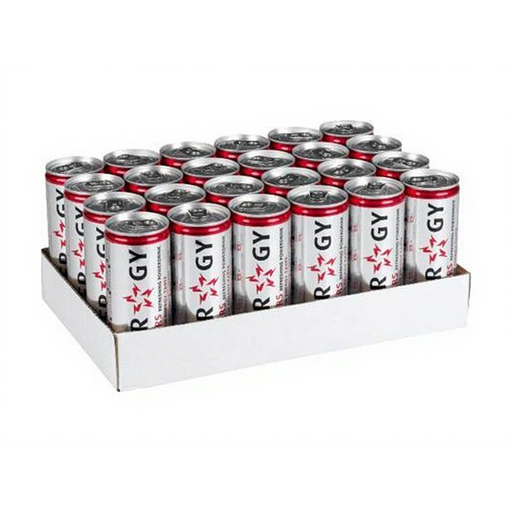
Why this fits the profile: The 24-pack with 250 ml cans is suitable for anyone who wants to stock up on multiple servings while keeping the amount per can manageable.
The serving size is clearly stated and the multipack makes it easy to compare per can. Do check the price and best-before date before ordering.
24 x 250 ml, 32 mg caffeine per 100 ml according to the product information, and a sugar content of 11.4 grams per 100 ml.
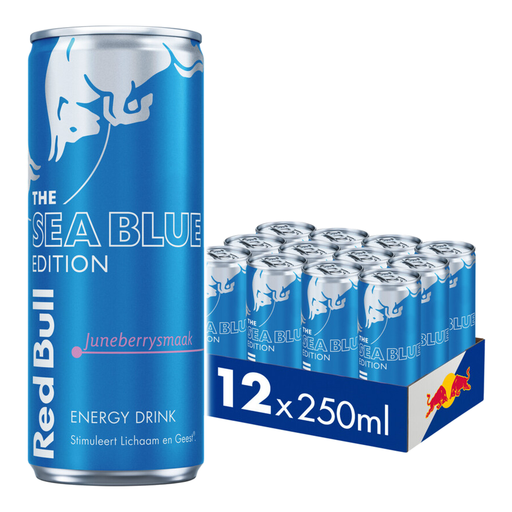
Why this fits the profile: A choice for Red Bull fans who want to combine a fruit flavour with the compact 250 ml format.
The flavour, volume and nutritional values are clearly stated. So you don’t have to rely solely on the edition name or advertising claims.
12 cans of 250 ml, juneberry flavour, 32 mg caffeine and 11 grams of sugar per 100 ml according to the product description.
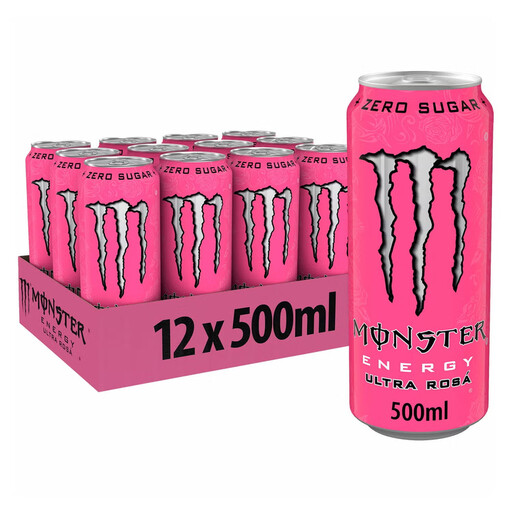
Why this fits the profile: The 500 ml format is aimed at those who want a larger serving for on the go, during long working days or during a gaming session.
The sugar-free nature is stated in the product details, while the larger size and caffeine content remain separately verifiable.
12 x 500 ml, sugar-free, around 2 kcal per 100 ml and 32 mg caffeine per 100 ml according to the listed nutritional values.
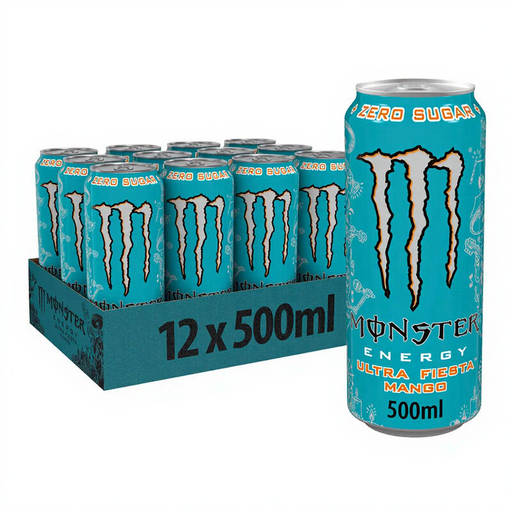
Why this fits the profile: The mango-like flavour and sugar-free 500 ml format suit anyone looking for a larger stock with a distinctive fruit taste.
The product information lists both 0 grams of sugar and the caffeine content per can. This allows you to tailor your choice to your daily use.
12 cans of 500 ml, 0 grams of sugar per 100 ml and a stated amount of 160 mg of caffeine per can.
We’ve put together a full, up-to-date list of products that fully meet these strict selection criteria and comply with current European safety regulations.
Check the best-before date on the can. Store unopened cans in a cool, dry place away from direct sunlight or excessive heat. Once opened, the product information states that the can should be refrigerated and consumed within the indicated period.
No. Sugar-free refers to the sugar content, not the caffeine. Red Bull Sugar-Free and various Monster Ultra variants still contain caffeine. So check both the nutritional information table and the warning about high caffeine content.
A multipack often has a lower price per can, but that depends on the offer, the size and any deposit. Divide the total price by the number of cans and then also compare the volume: 12 x 500 ml is not the same amount as 12 x 250 ml. That way, you’ll see which energy drink deal really suits your needs.
