
Vandaag of morgen in huis

Kwaliteit gegarandeerd

Welkomstaanbiedingen ontgrendelen: GRATIS bezorging | Tot 80% korting | Gratis 30 dagen JoyPlus-proefperiode
Download de app
Buying an energy drink seems simple, until you have to choose between 250 ml or 500 ml cans, regular or sugar-free varieties, and single cans or multipacks. Marketing terms such as “zero”, “fruit energy” and “extra focus” don’t always tell you what you’re actually buying.
The main differences usually come down to caffeine content, sugar, volume, ingredients and price per can. Use these checks to avoid paying too much for a pack that doesn’t suit how you plan to use it.
A 500 ml energy drink often contains about twice as much drink as a 250 ml can, but it doesn’t always offer a better price per litre. So work out the price per can and price per litre. An energy drink multipack may seem more expensive overall, but the price per can could be lower.
Also check the deposit. For some Dutch packaging, this is already included in the price. Check the product page and label before comparing prices.
A sugar-free energy drink usually contains sweeteners instead of sugar. This lowers the sugar content, but doesn’t change the caffeine content. So check both values separately.
For example, Monster Ultra Fiesta lists 0 grams of sugar and around 160 mg of caffeine per 500 ml can. According to the product information, Red Bull Sugar-Free contains 32 mg of caffeine per 100 ml, or around 80 mg per 250 ml can. Can size therefore makes a big difference.
A product may contain taurine, B vitamins, ginseng, L-carnitine or other substances. That doesn’t automatically mean you’ll experience a specific effect. According to the brands’ own product information, these ingredients are added to the formula. Treat this as a product specification, not a personal health claim.
Focus your comparisons on what you can check: caffeine per 100 ml, sugar per 100 ml, total volume, ingredients list and storage information.
Many energy drinks contain around 32 mg of caffeine per 100 ml. That means a 250 ml can contains around 80 mg, while a 500 ml can contains around 160 mg. Some products differ, so always check the label.
Under European labelling rules, drinks containing more than 150 mg of caffeine per litre must carry a warning about their high caffeine content. The warning states, among other things, that the product is not recommended for children, pregnant women, breastfeeding women or people who are sensitive to caffeine.
Energy drinks are not a substitute for water or a varied diet. Remember to account for caffeine from coffee, tea, cola and supplements on the same day. Follow the instructions on the packaging.
A regular energy drink often contains around 11 grams of sugar per 100 ml. In a 500 ml can, that can add up to around 55 grams of sugar. A sugar-free energy drink usually contains little or no sugar, but may contain sucralose, acesulfame K, aspartame or other sweeteners.
If you want to limit your sugar intake, you could choose varieties such as Monster Ultra White, Monster Ultra Peachy Keen, Red Bull Sugar-Free or Slammers Sugar-Free. Do check the latest nutrition table on the can, as product formulations and labels can change.
A 250 ml energy drink is handy on the go or when you want a smaller serving. A 500 ml energy drink may be better suited to longer periods, such as a working day or a car journey. A multipack of 12 or 24 cans is practical for stocking up, but only buy in bulk if you already know you like the flavour and have enough cool, dark storage space.
Fruity varieties such as mango, peach, pineapple or tropical punch may taste sweeter than a classic citrus variety. For your first purchase, a smaller pack is often a better choice than buying a large stock straight away.
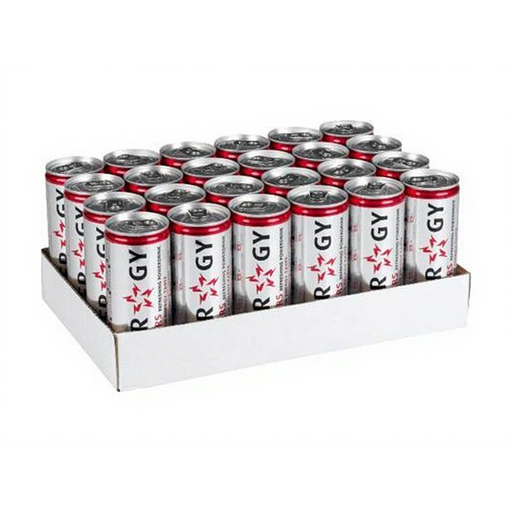
Why it suits this profile: The pack contains 24 smaller 250 ml cans. This makes it easy to keep track of portions, and suits anyone who wants to try using energy drinks regularly before buying a larger stock.
You don’t have to commit to large 500 ml cans straight away. Before ordering, check the price per can and the nutritional values.
24 x 250 ml, regular and sugar-free varieties available in the range, and a clear can size for comparing portions.
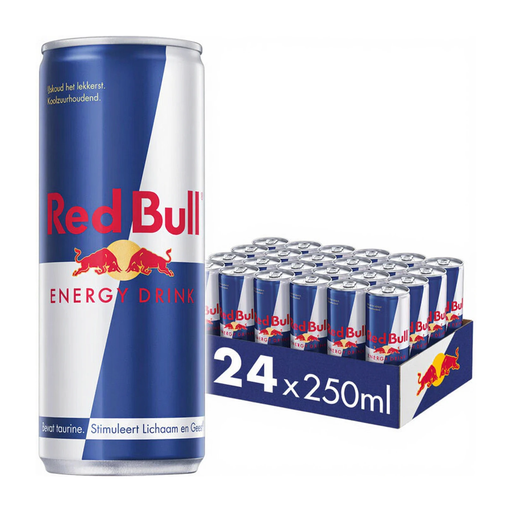
Why it suits this profile: A well-known brand in a standard 250 ml size, with taurine, caffeine and B vitamins. A handy choice if you want to order the same flavour and portion size every time.
The caffeine and sugar values are listed per 100 ml, so you can compare them directly with other varieties.
24 x 250 ml cans, around 32 mg of caffeine per 100 ml, and a regular, sugar-containing variety.
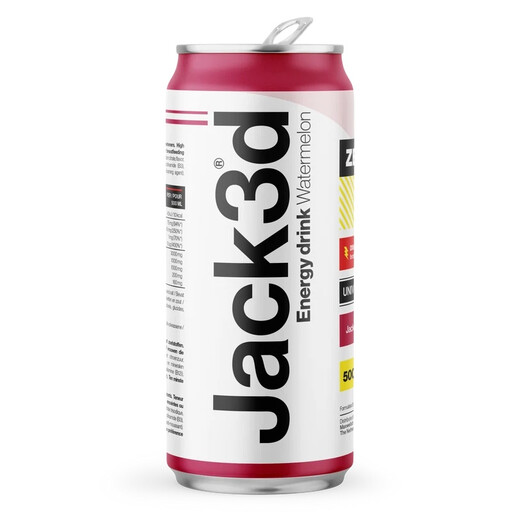
Why it suits this profile: This ready-to-drink energy drink is aimed at shoppers looking for a 500 ml can and a sugar-free formula. The product information lists 160 mg of caffeine per can.
The caffeine content is listed per can, making it clear that a larger can also contains more caffeine overall.
500 ml, 160 mg of caffeine, 0 grams of sugar, and L-citrulline, L-tyrosine and taurine listed in the product specifications.

Why it suits this profile: A multipack of 12 large cans for home, the office or sharing. The description lists a citrus profile and 0 grams of sugar.
The pack size and nutritional values make it clear that you’re buying a large stock. This lets you weigh up the price per can and the storage space you have before buying.
12 x 500 ml, a sugar-free formula and a citrus-style flavour, according to the product description.
We’ve put together a complete, up-to-date list of products that meet these strict selection criteria and the applicable European safety requirements.
A 250 ml can is a smaller portion and easier to take with you. A 500 ml can contains more drink, but usually also a higher total amount of caffeine. So always compare the values per can, not just per 100 ml.
Sugar-free varieties are usually low in calories, but check the nutrition table. For example, the product information provided lists Monster Ultra White at 12 kcal per 100 ml, while other varieties may contain around 0 to 3 kcal per 100 ml.
An energy drink offer is only worth considering if the price per can or per litre is lower than that of comparable packs. Factor in the deposit, check the best-before date and don’t buy a large stock of energy drinks if you don’t yet know the flavour or caffeine content.
