
Vandaag of morgen in huis

Kwaliteit gegarandeerd

Welkomstaanbiedingen ontgrendelen: GRATIS bezorging | Tot 80% korting | Gratis 30 dagen JoyPlus-proefperiode
Download de app
Buying an energy drink might seem straightforward, but the differences between cans, multipacks and pre-workout shots are significant. A flashy label tells you very little about the caffeine content, the amount of sugar, or whether it's right for your particular moment of use.
As a Joybuy Product Recommendation Officer, I always focus on verifiable information on the label and in the product description. That way, you avoid paying over the odds for marketing, ordering too much stock, or choosing a drink that doesn't fit your daily routine.
Red Bull, Monster Energy, Slammers and Carabao each come in different sizes and recipes. A small can doesn't automatically mean low caffeine, and a sugar-free energy drink isn't necessarily caffeine-free. Always check:
For example, a 250 ml Red Bull Energy Drink lists 32 mg of caffeine per 100 ml, which works out at around 80 mg per can. According to the product information, the regular version also contains 11 g of sugar per 100 ml. With a multipack, the total amount soon adds up.
A sugar-free energy drink contains no sugar, but it can still include sweeteners, caffeine, taurine or other ingredients. So always check the full ingredients list. According to the product description, Monster Ultra White contains 0 g of sugar per 100 ml and 12 kcal per 500 ml can. Red Bull Sugar-Free uses sweeteners such as sucralose and acesulfame-K.
Also pay attention to your taste preference. Sweeteners don't leave the same aftertaste for everyone. A smaller pack can be handy if you want to try a new variant first, such as Monster Ultra Peachy Keen or a Red Bull edition with a fruit flavour.
A caffeinated drink is intended as a consumer product, not as a replacement for sleep, water or a full meal. For exercise, a regular energy drink is also different from a sports drink or an electrolyte product. So consider your purpose:
Don't just compare the value per 100 ml. A 500 ml can with 30 mg of caffeine per 100 ml contains 150 mg in total. A 60 ml pre-workout shot can, despite its small size, actually contain a lot of caffeine.
The Optimum Nutrition Gold Standard Pre-Workout Shot Mixed Berry lists 175 mg of caffeine per 60 ml bottle. The Cellucor C4 Energy Preworkout Shot lists 150 mg of caffeine per 60 ml shot. According to the product information, both products are intended for healthy adults and have a recommended maximum intake of one shot per day.
If you're consuming a high dosage, also check your other sources of caffeine, such as coffee, tea and cola. Follow the warnings on the packaging. Products with a high caffeine content are not recommended for children, pregnant women or women who are breastfeeding.
A regular energy drink often contains sugar. Red Bull Original lists 11 g of sugar per 100 ml; a 250 ml can therefore contains around 27.5 g of sugar. Slammers Energy Refreshing Power Drink lists 11.4 g of sugar per 100 ml.
If you want to avoid sugar, you can look at:
According to the product information, the Body & Fit variant contains 100 mg of caffeine per 250 ml can, plus magnesium, amino acids, taurine and electrolytes. That makes its formulation different from a classic fizzy-drink-style energy drink. Always check the current label, as recipes and packaging information can change.
A 150 ml bottle, a 250 ml can and a 500 ml can are not directly comparable. A compact Carabao bottle of 150 ml can be handy for on the go, while a 12-pack of 500 ml offers more stock but also takes up more space.
Only choose a multipack after you know the flavour and formulation. For a first purchase, a smaller pack, such as a 3-pack of Slammers, is often more manageable. Also pay attention to deposit schemes and store cans in a cool, dry place away from direct sunlight. After opening, the product information advises keeping the product refrigerated and consuming it within the stated period.
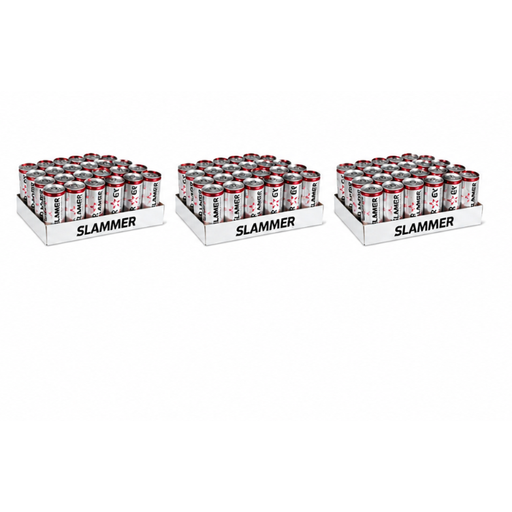
Why this fits: A smaller pack is practical if you want to try different flavours or a regular energy drink without ordering a large stock straight away.
You're not locked into 24 cans before you know the flavour and sugar content.
3-pack; regular variant with 11.4 g of sugar per 100 ml according to the product information.

Why this fits: For adults who want a large stock and a citrus flavour without sugar.
The product description lists 0 g of sugar per 100 ml, so you can distinguish it from a regular variant.
12 cans of 500 ml; citrus profile and, according to the listing, 12 kcal per can.
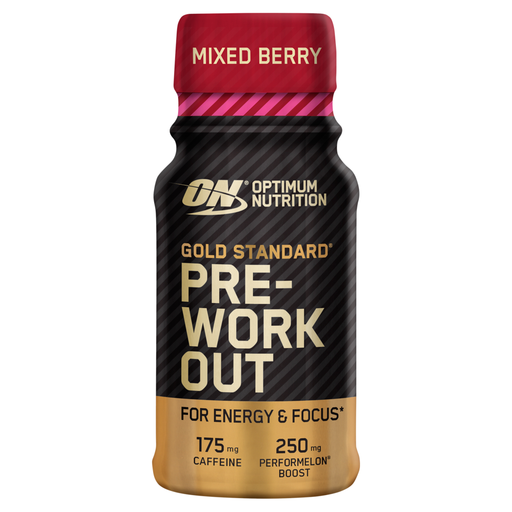
Why this fits: A compact pre-workout shot for adults who want a fixed portion before exercising.
The small bottle doesn't hide a low dosage: according to the product information, one shot contains 175 mg of caffeine.
Sugar-free; also contains 1.5 g of beta-alanine and vitamins B6 and B12 per bottle according to the listing.
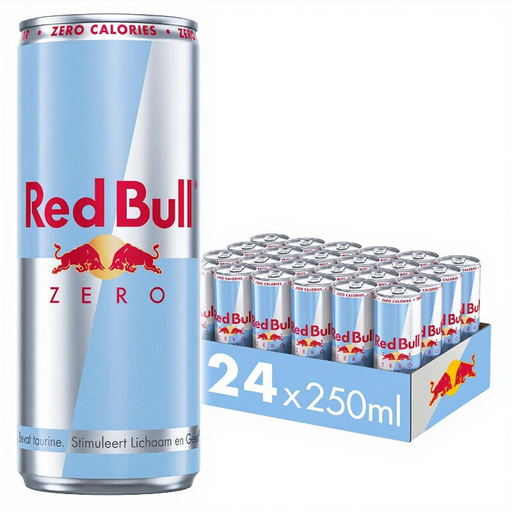
Why this fits: A compact multipack for workplaces, households or adults looking for a fixed size without sugar.
The packaging clearly states that sweeteners are used instead of sugar.
24 cans of 250 ml; according to the product information, 32 mg of caffeine per 100 ml and 0 g of sugar.
Browse a current selection of energy drinks and pre-workout products with different caffeine levels, flavours, sizes and packaging.
It varies by brand and size. Red Bull in 250 ml lists 32 mg per 100 ml, so around 80 mg per can. According to the product information, Monster variants in 500 ml can contain around 150 mg per can. Always check the current packaging and factor in other sources of caffeine.
A sugar-free energy drink can suit someone who wants to combine caffeine with little or no sugar. It is not an automatic replacement for water, a sports drink or a balanced diet. For a pre-workout shot, you should pay particular attention to the total caffeine per serving and the warnings on the label.
A multipack can lower the price per can, but only if you actually use the products. Compare the price per 100 ml or per can, check for any deposit, and if in doubt, choose a smaller pack first. That way, you avoid waste from a flavour or recipe that doesn't suit you.
