
Same-day & Next-day Delivery

Quality Guaranteed

Unlock Your Welcome Offers: FREE Delivery | Up to 80% OFF | Free 30-day JoyPlus trial
Download the APP
Buying an energy drink might seem straightforward: pick a brand, a flavour and a pack size. Yet many shoppers end up paying too much for a product that doesn't really suit how they use it. A 250 ml can is handy for on the go, while a multipack of 500 ml cans may look more economical but takes up more storage space.
Terms like "zero", "energy blend" and "extra focus" can also cause confusion. So start by checking the facts on the label: the caffeine content, sugar level, size, ingredients and any recommended warnings.
A sugar-free energy drink contains no sugar, but it can still contain caffeine. Many options in the range contain around 32 mg of caffeine per 100 ml. That means roughly 80 mg of caffeine in a 250 ml can and around 160 mg in a 500 ml can, if the stated concentration on the label is the same.
So sugar-free mainly tells you about sugar and calories, not the total caffeine content. Always check the label and bear in mind other sources of caffeine, such as coffee, tea and cola.
A 500 ml energy drink usually contains about twice as much liquid as a 250 ml can. This can make the price per can look appealing, but you're also buying more caffeine and more fluid. So compare the price per litre as well as the caffeine amount per can.
An energy drink multipack is practical if you regularly use the same product. For occasional use, a smaller pack may actually create less waste.
Brands often use words like "boost", "focus" or "energy mix". These terms don't automatically tell you how much caffeine, sugar or calories a product contains. According to the brands' own information, ingredients such as taurine, B vitamins, guarana or ginseng may be part of the formula. But their presence is no guarantee of a particular effect.
So compare the ingredients list and nutrition table rather than just the front of the can. Also look out for sweeteners, for example sucralose, acesulfame-K or aspartame.
The amount per 100 ml makes different brands comparable. Then calculate it for the whole can. A product with 32 mg of caffeine per 100 ml contains:
Drinks with a high caffeine content carry a warning that they are not recommended for children or for women who are pregnant or breastfeeding. Follow the information on the packaging. In addition, many Dutch retailers have age restrictions on sales to consumers under 16.
If you want to reduce your sugar intake, you can filter for energy drink without sugar or "zero sugar". But be aware of the difference between 0 grams of sugar and a low calorie count. Some products contain sweeteners and may still list a small amount of carbohydrates.
Compare per 100 ml:
Product information can vary by flavour or pack size. So always check the actual packaging before buying a larger supply.
A 250 ml can is suitable for short consumption moments, for example on the go or during a study session. A 500 ml can is better suited to longer use, but takes up more space in a bag, fridge or cupboard.
Store energy drinks in a cool place, out of direct sunlight and away from excessive heat. Once opened, the can should be kept chilled and used within the period stated on the label. With a multipack, also check the best-before information on the packaging.
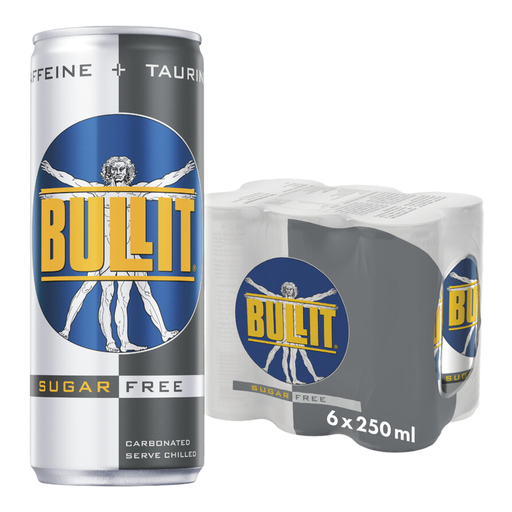
Why this suits the profile: The pack contains six compact 250 ml cans. That's a manageable amount if you want to try a sugar-free option without buying a large stock straight away.
The size makes the total amount per can clear. According to the product information, this variant contains no sugar and around 32 mg of caffeine per 100 ml; check the label when you receive it.
6 x 250 ml, sugar-free formula and B vitamins according to the product description.
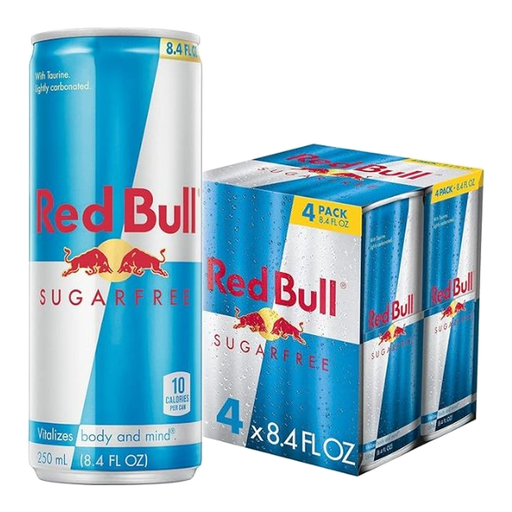
Why this suits the profile: This Red Bull energy drink offers a familiar 250 ml format for work, study or on the go, without committing to a large multipack straight away.
The nutrition information states 0 grams of sugar per 100 ml and 32 mg of caffeine per 100 ml. This lets you estimate your portion in advance.
4 x 250 ml, sugar-free and with taurine, caffeine and B vitamins according to the product label.

Why this suits the profile: The case of 12 x 500 ml cans suits regular use, for example at the office, during gaming or as a shared supply.
The product information explicitly states 0 grams of sugar per 100 ml and a citrus profile. The large pack avoids individual purchases, but does require enough storage space.
12 x 500 ml, sugar-free, citrus flavour and 12 kcal per 500 ml according to the stated nutritional values.
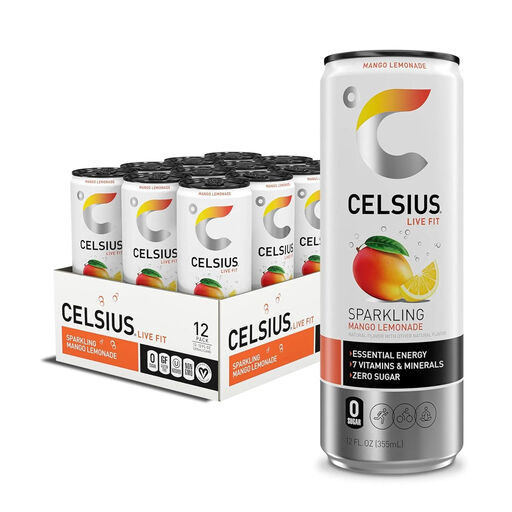
Why this suits the profile: The compact can and mango-lemonade flavour are ideal if you're looking for variety within a sugar-free energy drink.
The flavour and size are clearly described upfront. The nutrition information states 0 grams of sugar and 3 kcal per 100 ml; check caffeine and ingredients on the actual label.
12 x 250 ml, mango-lemonade flavour and vitamins according to the product description.
We've put together a full, up-to-date list of products that fully meet these strict selection criteria and comply with current European safety regulations.
Check the nutrition table and look for 0 grams of sugar per 100 ml. Red Bull Sugar-Free, Monster Ultra White and various Celsius options are described as sugar-free in the product information. The sweeteners used can differ, so check the ingredients list if you want to avoid a particular sweetener.
250 ml is more manageable if you want to limit your caffeine intake per session and take a can with you on the go. 500 ml gives you more drink per pack, but at the same caffeine concentration it also contains roughly twice as much caffeine. Choose the size based on how you use it, not just on the price per can.
Unopened cans remain good until the date on the packaging, provided they are stored in a cool place away from direct sunlight. Once opened, the can should be kept chilled and consumed within the stated period. Check the best-before date before buying, especially with a large energy drink multipack.
