
当日/次日达

品质保障

开启新人专享福利: 全场免邮 | 低至 2 折 | 免费试用 30 天 JoyPlus 会员
下载 Joybuy
Buying an energy drink seems straightforward – until you have to choose between an energy drink, a sugar-free energy drink, a canned energy drink or a multipack. The packaging often highlights flavour, vitamins or a “boost”, while the key differences in caffeine, sugar, size and ingredients are less prominently displayed.
As a Joybuy Product Recommendation Officer, I filter the most important product information in a practical way. This helps you see which features are relevant for your needs and stops you from paying for a product that doesn’t suit you.
Sugar-free doesn’t automatically mean a drink is low in caffeine. According to the product information, Monster Energy Ultra White, Red Bull Sugar-Free and Celsius contain no sugar, but they do contain caffeine. With Ghost Energy, the product specification states 200 mg of caffeine per 473 ml can. That’s significantly more than many classic varieties.
Always check both the sugar content and the caffeine per 100 ml and per can.
A 500 ml can contains more caffeine than a 250 ml can at the same concentration. Monster Energy Ultra White states 0.03% caffeine, which equates to roughly 30 mg per 100 ml. A 500 ml can therefore contains approximately 150 mg of caffeine based on that information.
A multipack of large cans can seem like good value, but per serving it may contain more caffeine and volume than you need on a daily basis.
According to brands’ own information, vitamins can contribute to normal bodily functions. That doesn’t mean every user will experience a noticeable effect. Terms like focus, energy or performance don’t automatically describe a personal result either.
First, look at verifiable data: ingredients, nutritional information, caffeine content, volume and shelf life.
The label often shows the caffeine content per 100 ml. Convert this to the full can:
Also consider other caffeinated drinks you might have on the same day, such as coffee, cola or certain pre-workout products. Always follow the warnings on the packaging. Products with a high caffeine content are not intended for children and are generally not recommended for pregnant women or those who are breastfeeding. If you’re unsure about caffeine or ingredients, it’s wise to seek medical advice.
A classic energy drink often contains sugar. Slammers Energy Refreshing Power Drink states 11.4 g of sugar per 100 ml. A 250 ml can therefore contains approximately 28.5 g of sugar. Red Bull Energy Drink states 11 g of sugar per 100 ml, or roughly 27.5 g per 250 ml can.
Sugar-free varieties typically use sweeteners. According to the product information, Red Bull Sugar-Free contains sucralose and acesulfame-K. Slammers Sugar-Free lists sweeteners including aspartame. Check the ingredients if you want to avoid certain sweeteners.
An energy drink multipack is convenient for regular consumption, a household or stocking up the office. A single can or a 3-pack is more practical if you want to try a flavour first.
Don’t just compare the total price – also compare:
A 24-pack of 250 ml cans is put together differently for daily use than a 12-pack of 500 ml cans. Store unopened cans in a cool place away from direct sunlight. Once opened, the can should be kept refrigerated and used within the period stated on the packaging.
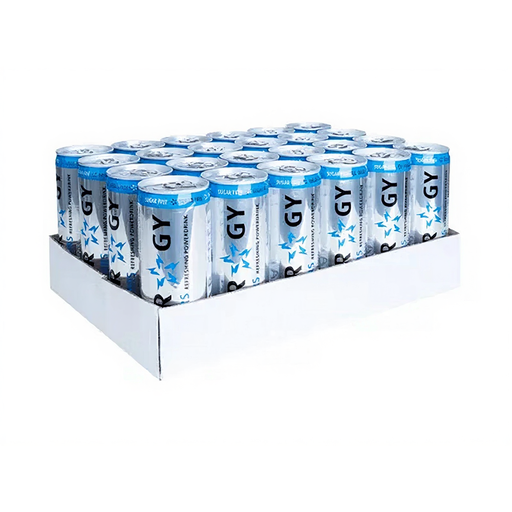
Why this suits the profile: The 24 cans of 250 ml offer a manageable serving size for home, study or the office. According to the product information, this variety contains 0 g of sugar per 100 ml.
You can see the can size, multipack contents and sugar content at a glance. Do check the sweeteners, including aspartame, on the label.
250 ml per can, 24 cans per pack, 0 g sugar per 100 ml and approximately 32 mg caffeine per 100 ml according to the product specification.
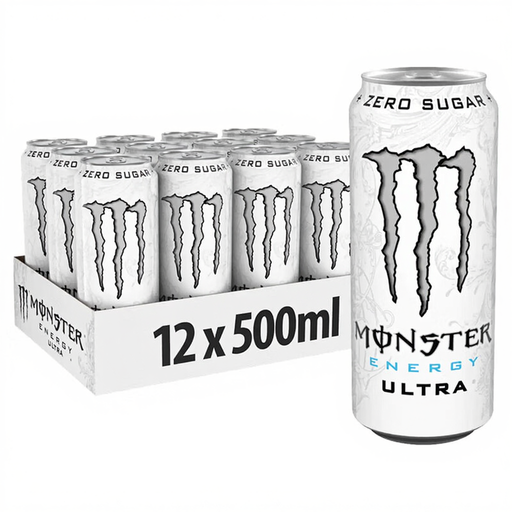
Why this suits the profile: The citrus blend of lemon and grapefruit, along with the larger cans, appeals to shoppers looking for a distinctive flavour and a bigger drink volume.
The product page lists both 0 g sugar and 12 cans of 500 ml. This means you can factor in the serving size when making your choice, rather than just looking at “sugar-free”.
12 x 500 ml, 0 g sugar per 100 ml, approximately 12 kcal per 100 ml and a stated caffeine concentration of 0.03%.
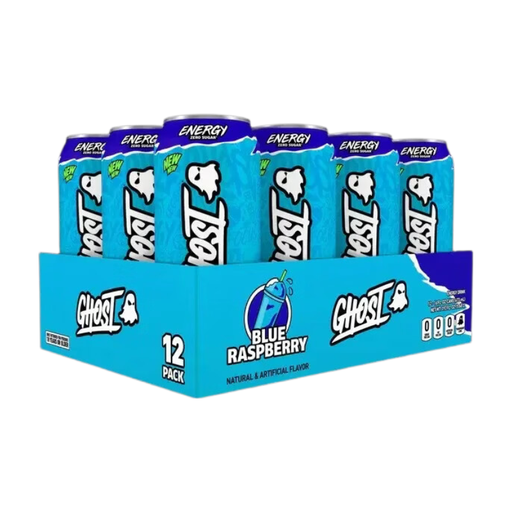
Why this suits the profile: According to the packaging, this product is intended for adults aged 18 and over and contains 200 mg of caffeine per can. It therefore suits shoppers who are deliberately looking for a high caffeine content and follow the label carefully.
The caffeine is listed per can. This makes it clear that “sugar-free” here doesn’t mean a low caffeine intake. Do not combine this with other sources of caffeine.
12 x 500 ml, 200 mg caffeine per can according to the product information, 0 g sugar according to the product description and a Blue Raspberry flavour.
We’ve put together a full, up-to-date list of products that fully meet these strict selection criteria and comply with current European safety regulations.
Not everyone is looking for caffeine. The range also includes other Asian drinks, a malt drink and aloe vera drinks:
These drinks are not the same as an energy drink. Compare them on flavour, sugar, caffeine and when you plan to drink them, rather than just the name.
Sugar-free options in the range include Monster Energy Ultra White, Red Bull Sugar-Free, Celsius and Slammers Sugar-Free. Always check the current ingredients list, as sugar-free can go hand in hand with sweeteners.
That depends on the promotional price, the contents and the can size. Divide the total price by the number of cans and then also compare the price per litre. A 12-pack of 500 ml cans contains twice as much drink per can as a 250 ml variety.
The best-before information is on the packaging. Store unopened cans in a cool place away from direct sunlight. Once opened, the product should be kept refrigerated and consumed within the period stated on the label. When ordering online, also check the best-before date as soon as your delivery arrives.
