
当日/次日达

品质保障

开启新人专享福利: 全场免邮 | 低至 2 折 | 免费试用 30 天 JoyPlus 会员
下载 Joybuy
A long day of studying, an intense workout, or an all-nighter: sometimes you just need a little boost. An energy drink can seem like a quick fix. But the selection is vast, and not every can delivers on its promise. Many people overpay for sugar water with a flashy logo or choose a drink that doesn't suit their goals.
As a Joybuy Product Recommendation Officer, I'm here to help you see through the marketing jargon. Let's look at the most common pitfalls so you can make an informed choice.
Pitfall 1: The Sugar Trap. Many energy drinks contain as much sugar as regular soft drinks. This provides a quick spike in energy, but it's often followed by an equally rapid drop, the infamous "sugar crash."
Pitfall 2: Paying for the Brand, Not the Contents. The basic ingredients of many energy drinks are similar: water, sugar (or sweeteners), caffeine, taurine, and B vitamins. Price differences often stem from marketing and branding, not necessarily from a superior formula.
To make the right choice, it's helpful to know what's inside an energy drink. By paying attention to a few key specifications, you'll know exactly what you're buying.
Caffeine is the main ingredient that provides a feeling of alertness. Most standard energy drinks (250 ml) contain about 80 mg of caffeine, which is equivalent to 32 mg per 100 ml. This is comparable to a cup of filter coffee. Some products, like a concentrated pre-workout drink, can contain significantly more (up to 175 mg or more per serving). Always check the caffeine amount on the label and adjust it based on your personal tolerance and the time of day.
This is a crucial choice. Energy drinks with sugar provide quick energy but also a lot of calories. A sugar-free energy drink (often labelled 'Zero' or 'Ultra') uses sweeteners like sucralose, acesulfame-K, or erythritol. These provide the sweet taste without the calories and the sugar crash. For athletes, students, or professionals who are mindful of their calorie intake, a sugar-free option is often the smarter choice.
Besides caffeine, you'll often see taurine and a range of B vitamins on the ingredients list. Taurine is an amino acid naturally found in the body, for instance in muscles and the brain. B vitamins, such as B3, B5, B6, and B12, contribute to a normal energy-yielding metabolism. While these ingredients are standard in most energy drinks, it's good to know their function.
Not everyone has the same needs. Below are some popular choices, matched to a specific user profile.
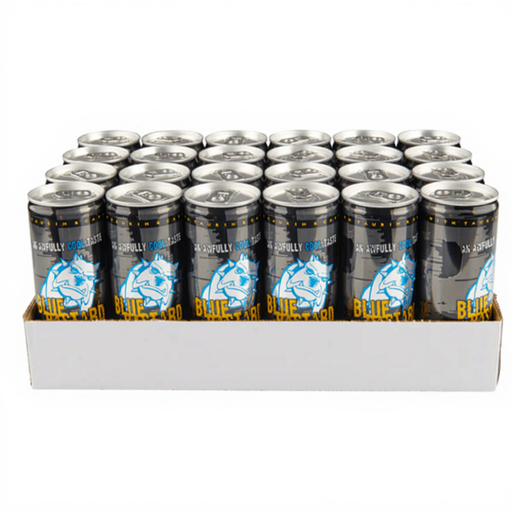
Why This Fits Their Persona: Ideal for students, gamers, or anyone who regularly drinks energy drinks and is watching their budget. By buying a case of energy drinks, you always have a supply on hand and it's significantly cheaper per can.
This product bypasses the pitfall of 'paying for the brand.' It offers the standard functional ingredients (caffeine, taurine, B vitamins) without the premium price of A-brands.
Affordable price per can when buying a case. Contains the classic mix of ingredients for an energy boost.

Why This Fits Their Persona: For those who want the energy but not the sugar and calories. Perfect for before or after a workout, or if you have an active lifestyle and want to limit your sugar intake.
This sugar-free energy drink directly tackles the 'sugar trap.' You get the caffeine boost and the flavour, but avoid the unnecessary calories and the subsequent energy dip.
Completely sugar-free and low in calories. Refreshing citrus flavour and enriched with B vitamins.
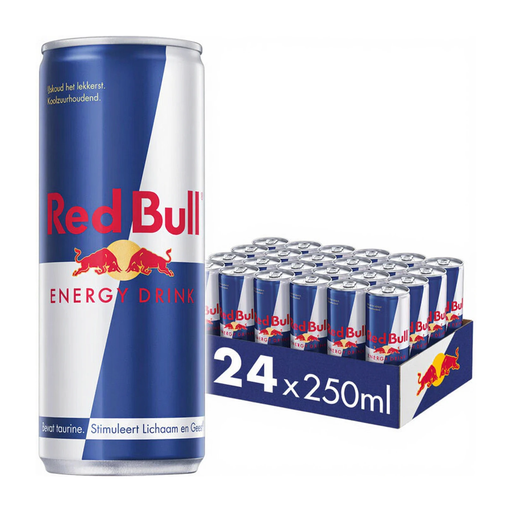
Why This Fits Their Persona: For those who swear by the classic, recognisable taste. Red Bull is the original and, for many, the benchmark against which other energy drinks are measured. A reliable choice for a predictable boost.
Although it's a premium brand, you know exactly what you're getting. No surprises, just the familiar formula and taste. By buying a case, you can also take advantage of a better energy drink deal.
The iconic, trusted flavour. Contains 32 mg of caffeine per 100 ml, B vitamins, and taurine.
We have compiled a complete, up-to-date list of products that meet these selection criteria and local regulations.
Health authorities generally advise adults to consume no more than 400 mg of caffeine per day. For most energy drinks (with 80 mg of caffeine per 250 ml), this equates to a maximum of 5 cans. Keep in mind that coffee, tea, and other products also contain caffeine. Lower limits apply to pregnant or breastfeeding women and adolescents. Always read the label for specific warnings.
A standard energy drink is intended for general use to increase alertness. A pre-workout drink is specifically formulated for athletes and often contains higher concentrations of caffeine and other ingredients like beta-alanine or citrulline, which are aimed at supporting athletic performance. They are typically not intended for everyday consumption.
Yes, in most cases, buying a case of energy drinks is more cost-effective than buying individual cans. It's a great way to save money if you have a favourite brand or use energy drinks regularly. Plus, you'll always have a supply at home.
