
Same-day & Next-day Delivery

Quality Guaranteed

Unlock Your Welcome Offers: FREE Delivery | Up to 80% OFF | Free 30-day JoyPlus trial
Download the APP
Whether you're pulling an all-nighter to study, racing to meet a work deadline, or need an extra push at the gym, reaching for an energy drink is an easy decision. But with an overwhelming number of options, it's tough to see through the marketing claims. Many people overpay for a drink that doesn't suit their needs or is packed with hidden sugars. As a Joybuy Product Recommendation Officer, I'm here to help you make the right choices, based on facts, not hype.
Before you stock up on a case of energy drinks, here are two common pitfalls to watch out for:
To avoid making a bad purchase, it's crucial to know what to look for. The specifications on the can tell you everything you need to know. Focus on these three points:
The choice between a regular energy drink and a sugar-free energy drink depends on your goal.
Always check the nutrition facts table under "Carbohydrates, of which sugars." A product with 0 grams of sugar is a true sugar-free energy drink.
Caffeinated drinks come in various strengths. Most standard energy drinks (250 ml) contain around 80 mg of caffeine, which is comparable to a cup of filter coffee. This is often listed as 32 mg per 100 ml. For most people, this is enough for a noticeable increase in alertness.
Other common ingredients include:
Check the ingredients list to see if the composition matches what you're looking for: a simple caffeine boost or a more specialised formula for workouts.
If you drink energy drinks regularly, buying a case of energy drinks is almost always more economical. The price per can is significantly lower than when you buy them individually. This is ideal for students, gamers, or for the office, ensuring you always have a supply on hand and don't have to run to the store for every can.
Below are some popular choices, matched with different user profiles. These aren't "winners," but practical options that align well with specific needs.
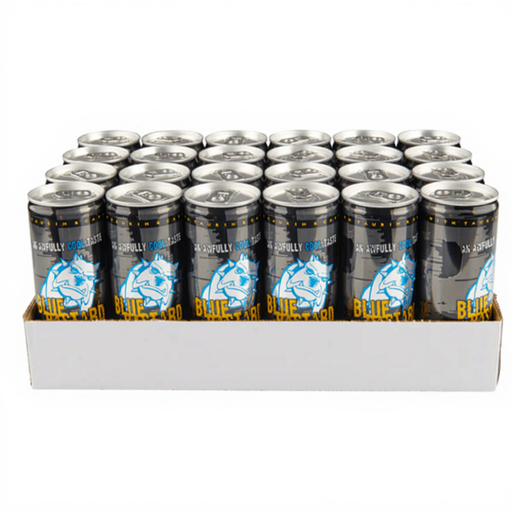
Why This Fits Their Persona: Ideal for students and gamers who need a reliable energy boost without paying a premium. A case of 24 provides an ample supply for long study or gaming sessions.
You bypass the pitfall of overpaying for individual cans. By buying in bulk, the price per can is significantly lower.
Contains the classic formula with caffeine and taurine for an effective boost. The 24-pack offers excellent value for money.
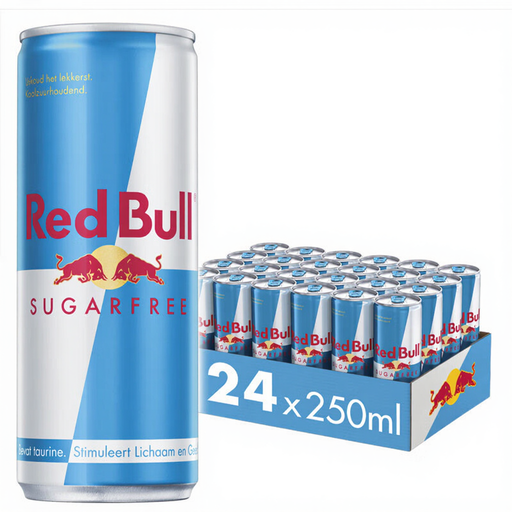
Why This Fits Their Persona: For those seeking a reliable and familiar boost without the sugar. Perfect for the office to stay sharp during long meetings or projects, without the calories or sugar crash.
This is a 100% sugar-free option. You get the energy from caffeine and B-vitamins without the downsides of a sugar bomb.
The familiar formula of Red Bull, but without the sugar. The case of 24 cans is convenient for stocking up at the office.
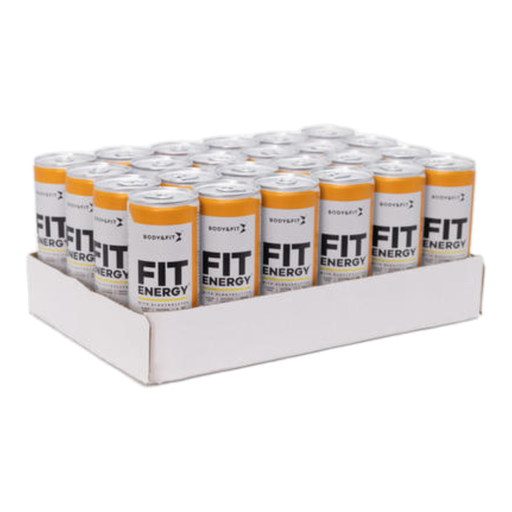
Why This Fits Their Persona: Designed as a functional pre-workout drink. It's sugar-free and contains extras like amino acids (BCAAs) and magnesium, which the manufacturer claims support focus and electrolyte balance.
This isn't a standard energy drink. The formula is specifically tailored for athletic performance, without unnecessary sugars that could hinder your goals.
Sugar-free and enriched with 3.1g of amino acids, 100mg of caffeine, and 70mg of magnesium per can. A functional choice for before or after your workout.
We've compiled a complete, up-to-date list of products that fully meet these strict selection criteria and local regulations.
Yes, in most cases. The price per can in a case (e.g., 12 or 24 cans) is typically significantly lower than the price of an individual can at the supermarket or a gas station. If you're a regular consumer, a case of energy drinks is a smart way to save money in the long run.
A regular energy drink, like Red Bull or Monster Energy, is primarily focused on increasing alertness and energy through caffeine and sometimes sugar. A pre-workout drink is more specifically formulated for athletes. In addition to caffeine, it often contains ingredients like BCAAs (amino acids), beta-alanine, and citrulline, which manufacturers claim are aimed at supporting muscle endurance and reducing fatigue during training.
It's important to be mindful of your caffeine consumption. Always read the label for the exact caffeine content. Health authorities advise adults to consume no more than 400 mg of caffeine per day. A lower recommendation applies to pregnant or breastfeeding women. A 250 ml can typically contains around 80 mg of caffeine, so factor this into your total daily intake, which includes coffee and tea. Consume in moderation and avoid drinking late in the evening to prevent disrupting your sleep.
