
Vandaag of morgen in huis

Kwaliteit gegarandeerd

Welkomstaanbiedingen ontgrendelen: GRATIS bezorging | Tot 80% korting | Gratis 30 dagen JoyPlus-proefperiode
Download de app
A busy working day, a long car journey or a workout after the office: energy-boost products are available in many forms. These include energy drinks, sugar-free energy drinks, caffeine supplements, energy tablets and pre-workout powder. However, eye-catching packaging tells you little about which option is right for you.
Three common pitfalls are:
So first compare the caffeine content, sugar and calorie content, serving size and format. This helps you avoid paying for ingredients or quantities you do not need.
Caffeine is one of the most important points to compare when choosing an energy drink or pre-workout. Do not just look at the percentage on the label; focus mainly on the amount per pack or recommended daily serving.
For a practical comparison:
Remember to include caffeine from coffee, tea, energy drinks and supplements consumed on the same day. Caffeinated products are not recommended for children and product information generally advises against them for pregnant women and women who are breastfeeding. If you take medication, have a medical condition or are sensitive to caffeine, it is advisable to consult a doctor or pharmacist.
A regular energy drink often contains sugar. For example, the Red Bull product information provided lists 11 g of sugar per 100 ml. Slammers Energy Refreshing Power Drink contains 11.4 g of sugar per 100 ml.
If you want to consume less sugar, you can look for a sugar-free energy drink. Monster Energy Ultra White lists 0 g of sugar per 100 ml, while Slammers Sugar-Free Energy Drink also lists 0 g of sugar. These versions do contain sweeteners, however. If you have an allergy or intolerance, check the full ingredients list. For example, Slammers Sugar-Free lists aspartame as a source of phenylalanine.
An energy tablet or effervescent multivitamin is not automatically an alternative to an energy drink. Dextro Energy consists mainly of dextrose and maltodextrin and contains vitamin C, while Davitamon Energy Boost Chew Tablets offer a combination of vitamins and minerals. The intended use and nutritional value are therefore clearly different.
The format determines how easily a product fits into your routine:
When choosing sports nutrition, pay attention to the difference between a caffeine product and a complete formula. As well as caffeine, a pre-workout may contain beta-alanine, creatine, citrulline, taurine, magnesium or amino acids. The presence of these ingredients does not automatically mean that every product is suitable for every workout.
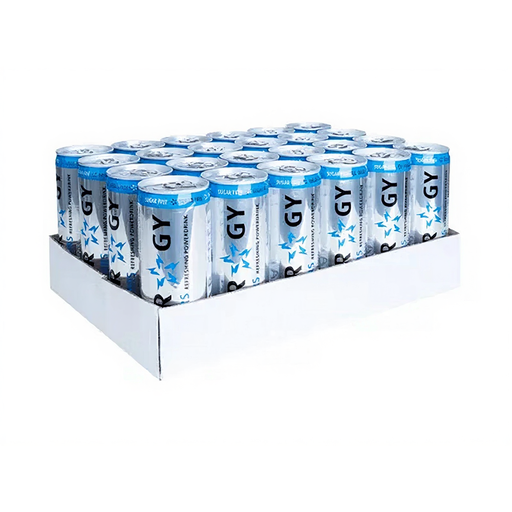
Why it suits this profile: A multipack with smaller cans is practical for home, work or when you are out and about. This version is intended for anyone who does not want to add sugar through an energy drink.
The product information lists 0 g of sugar per 100 ml, so you do not need to work out which low-sugar option to choose. The product does contain caffeine and sweeteners.
24 x 250 ml cans, 0 g of sugar per 100 ml and vitamins B2, B3, B5, B6 and B12 according to the label.
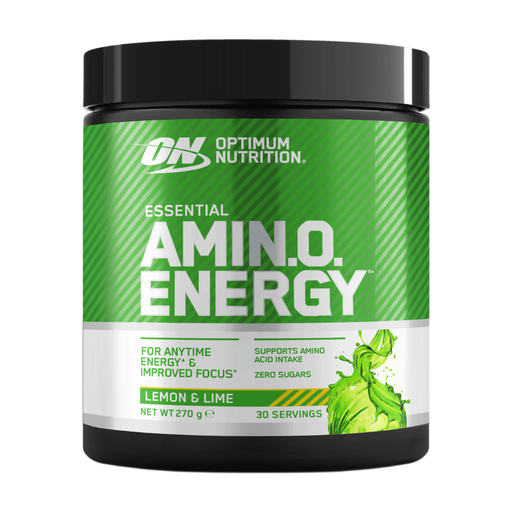
Why it suits this profile: This powdered formula is suitable for adults who want to measure out and mix an energy and focus supplement containing amino acids with water.
The serving size is clearly stated: 9 g, mixed with 330 ml of cold water. The formula contains 100 mg of caffeine per serving and 0 g of sugar.
Approximately 30 servings, 5 g of amino acids per serving, 100 mg of caffeine and vitamin C according to the product information.
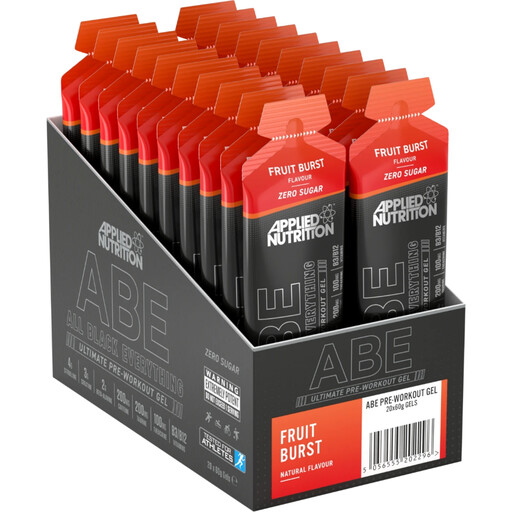
Why it suits this profile: The individual gels are intended for adults who want to take a ready-to-use serving with them before strength training, HIIT or team sports.
The gel contains one clearly defined 60 g serving and does not need to be mixed. The recommended maximum is one gel per day.
20 individual gels, 200 mg of caffeine, 4 g of citrulline malate, 3 g of creatine and 0 g of sugar per gel according to the label.
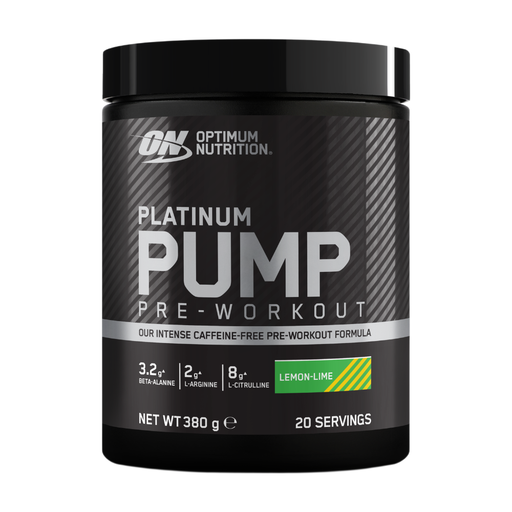
Why it suits this profile: This caffeine-free pre-workout is suitable for evening training sessions or for users who want to limit their caffeine intake.
The product information explicitly states that the formula contains no caffeine, so you do not need to search the ingredients list for a hidden stimulant.
8 g of L-citrulline, 3.2 g of beta-alanine and 2 g of L-arginine per serving; one serving is mixed with 400 ml of water.
We have compiled a complete, up-to-date list of products that fully meet these strict selection criteria and the applicable European safety regulations.
A can is ready to drink and requires virtually no preparation. For longer periods, an energy drink multipack can be useful. Do check the caffeine and sugar content per can beforehand. If you want to avoid caffeine, you could consider an effervescent multivitamin or a caffeine-free pre-workout.
No. Sugar-free means that no sugar, or virtually no sugar, has been added. It says nothing about caffeine. Slammers Sugar-Free and Monster Energy Ultra White are examples of sugar-free options that, according to the product information, do contain caffeine.
Always follow the label instructions. For opened cans, the general advice is to refrigerate them and consume them within the stated period. Store powders tightly sealed in a cool, dry place. Moisture can cause pre-workout powder to clump or harden. For supplements, also check the best-before date, batch information and recommended daily dosage.
