
Vandaag of morgen in huis

Kwaliteit gegarandeerd

Welkomstaanbiedingen ontgrendelen: GRATIS bezorging | Tot 80% korting | Gratis 30 dagen JoyPlus-proefperiode
Download de app
Need an extra lift during a long workday, lectures or a training session? You will quickly come across energy-boost products. The range includes everything from energy drinks and energy tablets to pre-workout supplements, creatine supplements and multivitamins.
The differences are greater than the packaging may suggest. A product with a high caffeine content is not automatically suitable for fuelling your workout. And while a sugar-free energy drink contains no sugar, it may still contain caffeine and sweeteners. This buying guide helps you compare ingredients, usage occasions and packaging in a practical way.
Words such as “boost”, “focus” and “performance” say little on their own. Check the ingredients list and nutrition table. For an energy drink, the most important details are caffeine per 100 ml, sugar per 100 ml and the volume per can.
Pre-workout formulas may also contain creatine, beta-alanine, citrulline and vitamins. However, the serving size determines what you actually consume. According to C4 product information, for example, the recommended serving contains 150 mg of caffeine, 1,319 mg of creatine and 1,600 mg of beta-alanine.
Combining an energy drink with coffee, energy tablets or a caffeinated pre-workout supplement can quickly increase your total intake. For healthy adults, EFSA generally cites up to 400 mg of caffeine per day as an amount without safety concerns, although individual sensitivity varies. For pregnant women, the lower guideline is a maximum of 200 mg per day.
Also pay attention to warnings on the label. The energy drinks mentioned are not intended for children and are not recommended for pregnant or breastfeeding women. A caffeine-free pre-workout can be an alternative for evening training, but it is still a food supplement containing multiple active ingredients.
A sugar-free energy drink contains no sugar, but often does contain caffeine, taurine and sweeteners. According to the product information, Red Bull Sugar-Free contains 32 mg of caffeine per 100 ml and uses sucralose and acesulfame-K. Slammers Sugar-Free likewise contains 0 grams of sugar per 100 grams, but does contain caffeine and taurine.
If you want to avoid caffeine, do not search only for “light” or “zero”. Check the label explicitly for “caffeine-free” or “decaffeinated”.
For studying, working or travelling, 250 ml cans are convenient. Red Bull Original and Red Bull Sugar-Free each contain 32 mg of caffeine per 100 ml, equivalent to approximately 80 mg per 250 ml can. According to the product information, Monster Energy Original contains 160 mg of caffeine per 500 ml pack.
Pre-workout supplements often contain a higher dose per serving. Lucovitaal Pre-Workout lists 150 mg of caffeine per daily 10-gram serving. C4 Pre-Workout also lists 150 mg per recommended serving. Include this amount in your total daily caffeine intake and follow the recommended dosage.
A regular energy drink usually contains sugar. Red Bull Original and Bullit list approximately 11 grams of sugar per 100 ml. Slammers Energy Refreshing Power Drink lists 11.4 grams of sugar per 100 grams.
According to the product information, Dextro Energy Energy Tablets Classic consist of 88% dextrose and contain 82 grams of sugar per 100 grams. Energy tablets are therefore different from a sugar-free drink: they are compact and easy to carry, but they do provide rapidly absorbable carbohydrates.
Do not compare only the number of units; also check the amount per serving. A 350-gram tub of creatine, for example, may last several weeks depending on the daily dosage. Optimum Nutrition Platinum Creatine Plus lists 3 grams of creatine per serving and recommends one serving per day.
Store powders in a dry place and keep them tightly sealed. Pre-workout powder may clump when exposed to moisture. This does not remove the need to check the expiry date, batch information and current usage instructions on the packaging. For supplements, the same rule always applies: do not exceed the recommended daily amount.
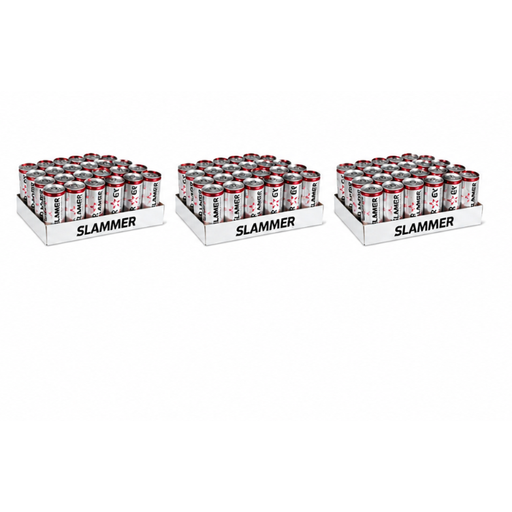
Why This Fits Their Persona: A practical supply for work, travel or occasional training, without committing to a large case right away.
The product information lists the sugar and caffeine-containing ingredients per 100 grams. Check the current packaging before use.
Three-pack with 250 ml cans; available in a regular version containing 11.4 grams of sugar per 100 grams.
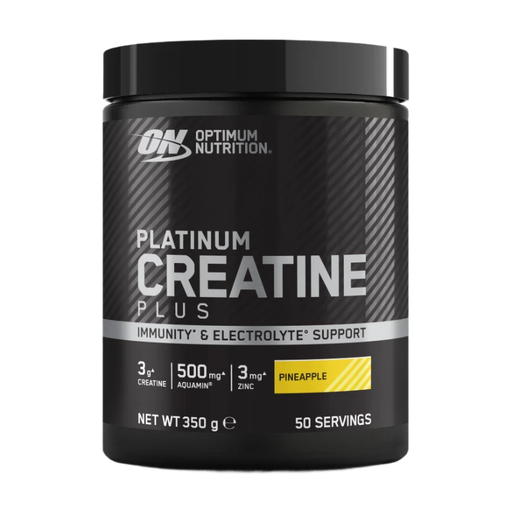
Why This Fits Their Persona: Suitable for adults who combine regular strength training with a measured creatine intake.
The amount is clearly stated: 3 grams of creatine per serving and one serving per day according to the product information.
350 grams of product; each serving also provides magnesium, zinc and B vitamins according to the label.
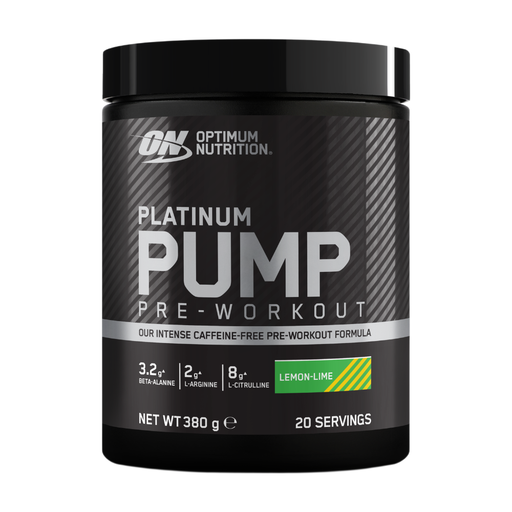
Why This Fits Their Persona: An option for adults who train later in the day and want to avoid caffeine around their workout.
According to the product information, this formula contains no caffeine. Always check the ingredients and dosage upon receipt.
8 grams of L-citrulline, 3.2 grams of beta-alanine and 2 grams of L-arginine per 19-gram serving according to the label.
Browse a current selection of energy products and compare ingredients, usage occasions, caffeine content and pack sizes.
That depends on your caffeine sensitivity and when you plan to use it. An energy drink often contains caffeine and sugar or sweeteners. Check the amount per can and avoid consuming it late in the evening. For everyday wellbeing, sleep, nutrition and adequate hydration are more important than any supplement.
A caffeine-free pre-workout may be suitable for evening training or whenever you want to avoid stimulants. However, products differ in their ingredients, dosages and warnings. Always check the recommended serving and do not combine different supplements without reviewing their total composition.
According to the product information, store an opened can of energy drink in the refrigerator and consume it within the stated period. Store powders in a cool, dry place and keep them tightly sealed. Check the exact expiry date, batch code and usage instructions on the packaging you receive.
