
Listener with a regular spot for music
You want to play electronic music while cooking and eating, and are weighing up where to place the speaker, your bass preferences and whether to choose one speaker or a stereo pair.


Choose a fixed Wi-Fi or Bluetooth speaker if you can place it somewhere dry with access to power and a stable Wi-Fi connection. A portable Bluetooth speaker is a better fit if you want to move it around regularly. A stereo pair requires two compatible speakers and a suitable place for each, but it may be right for you if separate stereo channels matter. Check how the exact model plays audio, and bear splashes and noise for housemates or neighbours in mind.
You want to play electronic music while cooking and eating, and are weighing up where to place the speaker, your bass preferences and whether to choose one speaker or a stereo pair.
You want to use your speaker in different places and value portability and the ability to play music directly from your phone.
You want to adjust the volume to suit your housemates or neighbours, especially when bass notes might be audible beyond your listening area.
Start with where you listen and how you want to play your music. Then check that the model you choose suits your space, connections and everyday needs.
| What to consider | What to look for | Who is this most relevant to? |
|---|---|---|
| Sound, bass and placement | Compare the sound using your own music at a similar volume. Check the tone controls and whether the exact model supports a stereo pair. | If I mainly listen in one fixed spot, I want to know whether the bass and placement will suit my room. Around 36% of consumers put sound and placement at the top of their list of concerns when buying. |
| Playback options and compatibility | Check that the model works with your phone and preferred music service. If you’re using a wired source, check which input and adapter you’ll need too. | I want to play music from my phone, music service or wired source in the way I’m used to. Around 29% of consumers prioritise their preferred playback option. |
| Moving and placing the speaker in the kitchen | Check whether there’s a power socket where you’ll listen. For a battery-powered model, check the stated battery life and guidance on placing it near water. | If I regularly move my speaker between the kitchen and dining table, I don’t want to depend on a power socket every time. Around 21% of consumers prioritise portability and the choice between battery and mains power. |
| Controls and shared use | Check the controls on the device and any app or voice features on the exact model. If needed, agree on volume levels and listening times. | In a shared kitchen-diner, I want to be able to adjust the volume easily to suit the situation. Around 14% of consumers prioritise controls and consideration for others. |
A stereo pair consists of two compatible speakers that can be placed separately. One speaker on its own won’t give you this setup.
First decide whether you have room for two speakers, then check that the exact models can work as a stereo pair. Sonos lists this as an option for two Era 100 SL speakers.
For a wired source connected to the Sonos Era 100, Sonos specifies a separate line-in adapter.
Before buying, check the entire connection from source to speaker. Find out which adapter or cable you’ll need and what’s included in the box.
Consumentenbond lists no water protection for the Denon Home 150 NV, while Sony specifies IP66/IP67 for the SRS-ULT30. This information doesn’t automatically apply to other models.
Read the guidance for the exact version you’re buying, and keep any model without water protection away from direct splashes.
The Era 100 family is worth considering for a fixed setup with Wi-Fi and Bluetooth. The Era 100 SL is also an example of a model that can pair with a second speaker for stereo sound.
The Home 150 family is an option to compare for a fixed setup, with the potential to add devices with HEOS Built-in.
The Authentics 200 is a fixed home speaker to compare if you’re looking for Wi-Fi, Bluetooth and optional voice assistants.
The ULT FIELD 3 is a portable Bluetooth option if you want to move your speaker between listening spots.
These products range from portable Bluetooth speakers to fixed speakers and a more extensive surround sound system. Check that the playback option, power supply and space needed for placement suit your kitchen-diner.
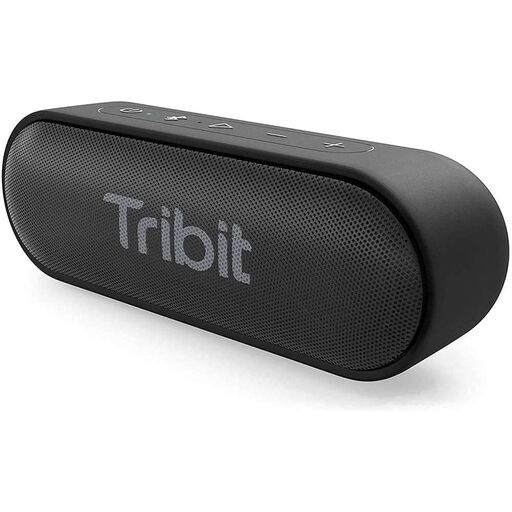 No image available
A good fit if you want to use a portable Bluetooth speaker in different listening spots.
The product name lists the colour Black and the 2026 Version. Follow the charging port instructions before exposing it to water and before charging.
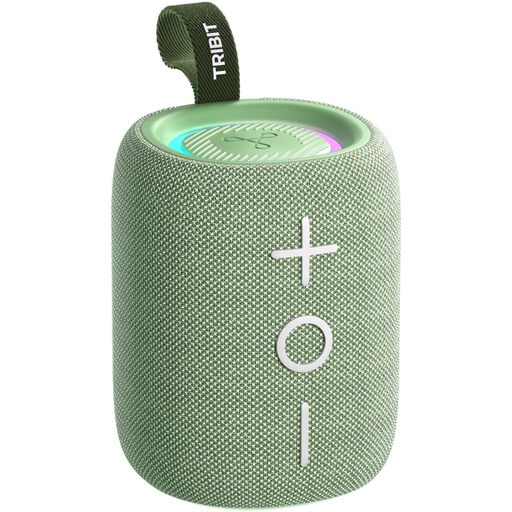 No image available
A good fit if you want to take a portable Bluetooth speaker from the kitchen to another listening spot.
The product name lists the Green version. Follow the charging port instructions before exposing it to water and before charging.
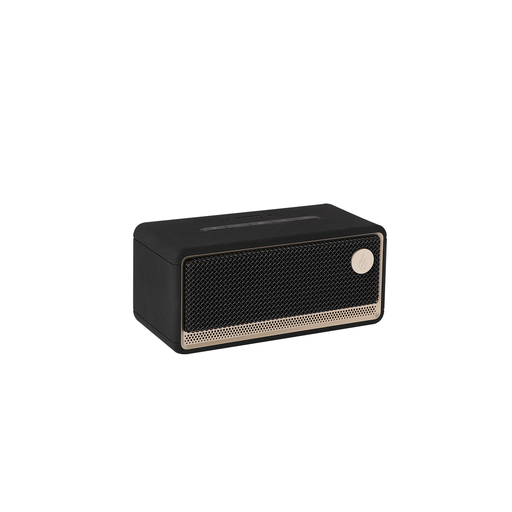 No image available
A good fit if you want to play music via Wi-Fi or Bluetooth in a fixed listening spot and need a USB or AUX connection.
The product name lists Wi-Fi, Bluetooth, USB, AUX and 60 W. Check which playback option you want to use and whether the connections suit your source.
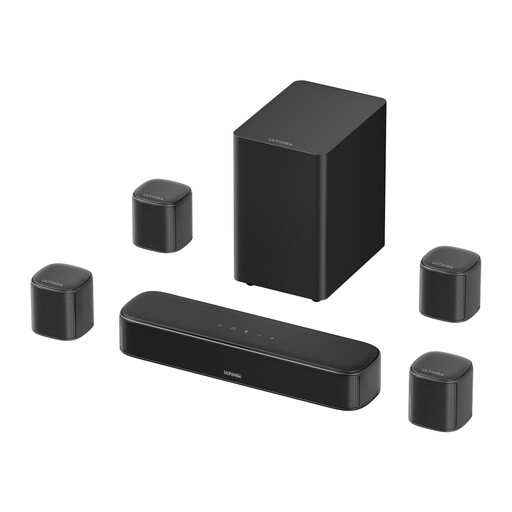 No image available
A good fit if you have room for a more extensive surround sound setup; bear in mind that you’ll need to place several speakers.
The product name lists four surround speakers, a 5.25-inch subwoofer, 350 W and HDMI, OPT and AUX connections. The description lists wired connections for the front and rear speakers.
 No image available
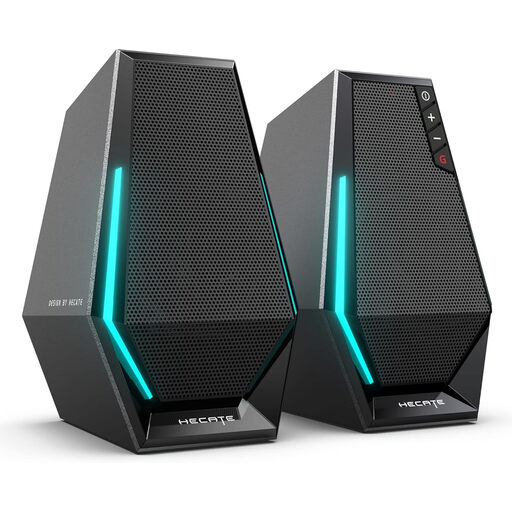
A good fit if you want to use a computer speaker in a fixed spot and also need Bluetooth or a wired connection there.
The product name lists Bluetooth 5.3, USB and 3,5mm AUX. The description lists USB power; check that you have access to the required power connection where you plan to put it.
It depends on the model and how it’s set up. Wi-Fi playback requires a stable network. Sonos says the Era 100 SL must first be set up with the app over Wi-Fi, even if you plan to use Bluetooth afterwards.
Check the instructions for the exact model, and keep the speaker away from direct splashes and heat. Consumentenbond lists no water protection for the Denon Home 150 NV, while Sony specifies IP66/IP67 for the SRS-ULT30. That rating isn’t general placement guidance for other speakers.
For an ordinary consumer product bought online, you generally have a statutory cooling-off period of up to 14 days after delivery, according to ACM ConsuWijzer. Check which terms and exceptions apply to your purchase. This cooling-off period is separate from any additional commercial returns policy.
According to the Dutch Ondernemersplein, suppliers of electrical and electronic equipment must comply with the applicable European rules. For devices with Wi-Fi or Bluetooth, the government cites the Radio Equipment Directive, among other regulations. Where the requirements apply, these include CE marking and an EU declaration of conformity. A visible CE mark isn’t a listening test of a specific speaker.
Yes. Be considerate of housemates and neighbours, and follow any agreements about music. When dealing with noise nuisance caused by music, the Dutch government advises speaking to your neighbours first and agreeing on things such as listening times. This doesn’t set a universal volume limit for every kitchen-diner.