
Vandaag of morgen in huis

Kwaliteit gegarandeerd

Welkomstaanbiedingen ontgrendelen: GRATIS bezorging | Tot 80% korting | Gratis 30 dagen JoyPlus-proefperiode
Download de app
An electrolyte supplement can be useful during a long bike ride, intensive training session, hot day of travelling or busy working day. But not every product is suitable for every occasion. A sweet sports drink, tablet or electrolyte powder may look appealing, while its formulation, dosage or packaging may not match your needs as well as you would expect.
Pay particular attention to the contents per serving. Marketing terms such as “hydration”, “sports formula” and “energy” do not, on their own, tell you very much. The following pitfalls are common:
Electrolytes are minerals such as sodium, potassium, magnesium, calcium and chloride. They may be listed separately on the label or grouped under a collective name. To make a fair comparison between an electrolyte drink, electrolyte tablets and electrolyte sticks, always use the same basis: the amount per ready-to-drink serving.
Check how much sodium you get from one tablet, stick or can. The reference products differ considerably in this respect:
More is not automatically better. The occasion, duration of exercise and your overall diet determine which formulation makes sense. Also pay attention to the difference between sodium and salt: these are not the same measurements.
If you are looking for electrolytes with magnesium and potassium, it is worth checking both values separately. NA11 Hydration contains 56 mg of magnesium and 190 mg of potassium per can. The stick packs list 133 mg of magnesium and 403 mg of potassium per stick. According to the product information, the tablets contain 100 mg of potassium; check the current packaging for the amount of magnesium.
Vitamins and minerals should not be viewed as a replacement for a varied diet. According to the product information, certain permitted nutrition claims contribute to normal bodily functions, but a supplement is not a treatment and does not prevent medical complaints.
A sugar-free sports drink may be suitable for anyone looking to limit their sugar or calorie intake. According to the nutrition table, NA11 Hydration contains 0 grams of sugar and 7 kcal per can. The effervescent tablets contain 0 grams of sugar and 6 kcal per tablet.
The stick packs are not completely sugar-free: according to the label, one stick contains 0.6 grams of sugar and approximately 10 kcal. Lucovitaal Electrolytes Post-Workout lists 4 grams of sugar per serving. Optimum Nutrition Carb 40G Electrolyte Shot is specifically intended as a carbohydrate-rich option and contains 40 grams of carbohydrates per 99 ml.
As well as checking the sugar content, review the ingredients list. Sweeteners such as sucralose, steviol glycosides, erythritol or acesulfame-K can affect the taste and may cause sensitivity in some people.
The format mainly determines how easy the product is to use:
For electrolytes during sport, the combination of size, drinking volume, sodium content and flavour is particularly important. For short, gentle activities, plain water is often sufficient. During prolonged or intensive exercise, a product containing electrolytes may better suit your personal routine. Do not exceed the recommended amount and always follow the label instructions.
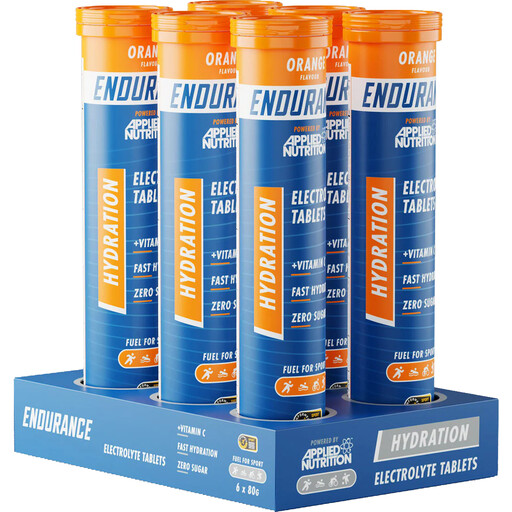
Why this suits the profile: The tablets are easy to use individually and are suitable for adults trying an electrolyte supplement for the first time without having to carry a large bottle of drink.
The product information lists 6 kcal and 0 grams of sugar per tablet. This lets you see immediately what one serving adds.
Effervescent tablet containing, among other things, sodium, potassium, magnesium and calcium; suitable for vegans and vegetarians according to the product description.
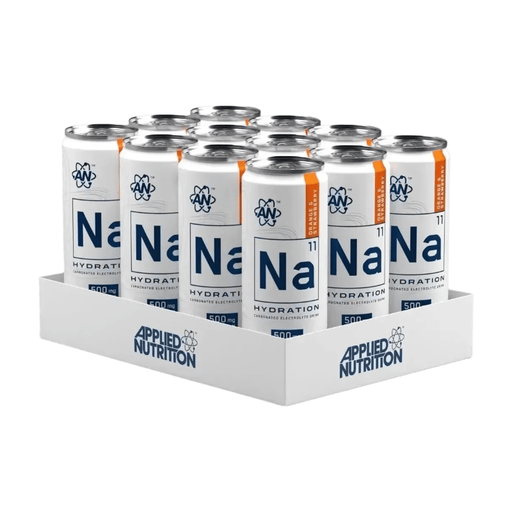
Why this suits the profile: This ready-to-drink electrolyte beverage is suitable for active adults who want a consistent serving with a clear sodium content around their training sessions.
The packaging states 500 mg of sodium, 0 grams of sugar and 7 kcal per can. This means you do not have to calculate the powder dosage yourself.
330 ml per can, with 190 mg of potassium and 56 mg of magnesium according to the label; sugar-free, gluten-free and halal-certified according to the product information.
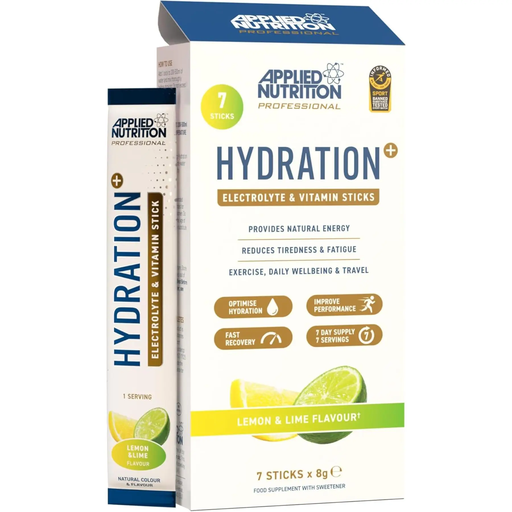
Why this suits the profile: Individual sticks are practical for endurance sports, travelling and days when you want to top up your water at different times without carrying a large pack.
The dosage is stated per stick: dissolve in 200 to 500 ml of water, with a maximum of one stick per day according to the product instructions.
According to the product information, one stick contains several electrolytes, approximately 10 kcal and 0.6 grams of sugar; the formula is vegan and free from gluten and dairy.
We have put together a complete, up-to-date list of products that fully meet these strict selection criteria and the applicable European safety regulations.
This depends on the duration and intensity of your activity, your personal preference and how much you sweat. You can use a product before, during or after sport when this is permitted according to the label. If you have a medical condition, take medication, or are pregnant or breastfeeding, it is advisable to consult a doctor or pharmacist.
Not necessarily. Sugar-free electrolytes may be suitable if you are limiting sugar and calories, but also check the sodium content, sweeteners and any allergens. A carbohydrate-rich sports drink may serve a different purpose from a low-calorie hydration option.
Follow the storage and shelf-life instructions on the packaging. Close tubs containing powder and tablets properly and store them in a cool, dry place away from direct sunlight. Individual sticks generally remain protected until use, while an opened drink should be refrigerated according to the label. Always check the current packaging, ingredients and warnings before consumption.
