
Same-day & Next-day Delivery

Quality Guaranteed

Unlock Your Welcome Offers: FREE Delivery | Up to 80% OFF | Free 30-day JoyPlus trial
Download the APP
An electrolyte drink may seem simple at first glance: water, flavour and a few minerals. In practice, products vary considerably in sodium, sugar, calories, serving size and convenience. An electrolyte sports drink that works well for a long bike ride is not automatically the right choice for a short strength-training session or everyday use.
So do not rely solely on terms such as “hydration”, “isotonic” or “performance”. Pay particular attention to the nutrition table and usage instructions. As a Joybuy Product Recommendation Officer, I explain below which details matter and which purchasing mistakes you can avoid.
An isotonic sports drink often contains carbohydrates. That can be useful during prolonged exercise, but less suitable when your main goal is to replenish fluids and minerals without adding extra calories. According to the product information, Body & Fit Isotronic Drink Tropical contains 119 kcal, 29 grams of carbohydrates and 18 grams of sugar per 35-gram serving.
A sugar-free electrolyte drink serves a different purpose. According to the nutrition table, Applied Nutrition NA11 Hydration contains 0 grams of sugar and 7 kcal per 330 ml can. Always check the values for the complete serving, rather than looking only at the figures per 100 ml.
The term does not tell you how much sodium, magnesium or potassium you are actually getting. Two products may both contain electrolytes while providing significantly different amounts. Sodium is particularly important during intensive sweating, while magnesium and potassium are often present in smaller quantities.
Compare the nutrition information per can, sachet or prepared bottle. A prominent claim such as “1,190 mg of electrolytes” on a stick does not automatically mean that all those milligrams are sodium. According to the product information, one Applied Nutrition Hydration Stick Pack contains, among other minerals, 153 mg of sodium, 403 mg of potassium, 133 mg of magnesium and 380 mg of calcium.
Powder is generally convenient for use at home and for preparing larger quantities. A can or shot is ready to drink, but takes up more space and may cost more per serving. Electrolyte sachets are lightweight and practical for a gym bag, office or trip, but you will need water and a mixing bottle each time.
Choose the format based on when you plan to use the drink. This helps prevent a large tub from sitting unused in the cupboard or leaving you without a convenient serving while travelling.
For an electrolyte drink intended for sport, the mineral content matters more than the marketing name. At a minimum, check the following:
Applied Nutrition NA11 provides 500 mg of sodium, 190 mg of potassium and 56 mg of magnesium per 330 ml can. This is verifiable product information; it does not mean that every adult requires the same amount.
If you want a sugar-free sports drink, check both “sugars” and “carbohydrates”. Some products contain no sugar but still provide a small amount of carbohydrates or sweeteners. NA11 lists 0 grams of sugar and 7 kcal per can. Applied Nutrition Hydration Stick Packs contain approximately 0.6 grams of sugar, 1.4 grams of carbohydrates and 10 kcal per stick.
For longer endurance activities, a carbohydrate-electrolyte drink may be a practical choice. According to the product description, Body & Fit Isotronic Drink Tropical is mixed with 500 ml of water and provides 29 grams of carbohydrates per serving. The manufacturer states that carbohydrate-electrolyte solutions support water absorption during exercise; always check the claim and usage instructions on the packaging.
Pay attention to how much water is required. An electrolyte powder designed for 500 ml of water will have a different flavour intensity when mixed in a 750 ml bottle. For sticks, the recommended amount may range from 200 to 500 ml of water.
Also check:
Product formulations and labels may change. If you have allergies, take medication, are pregnant or have a medical condition, it is advisable to consult the current packaging and seek professional advice.
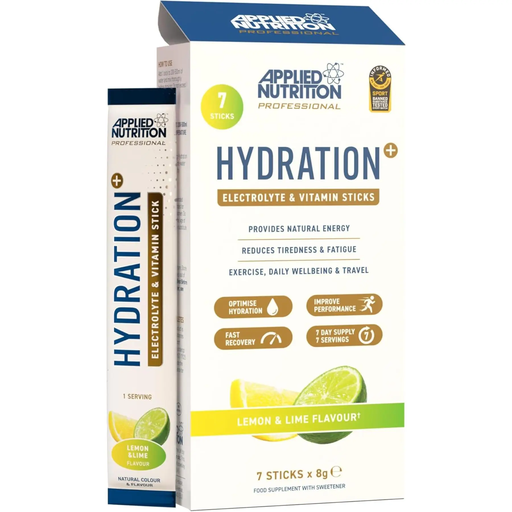
Why This Fits Their Persona: The box contains 7 individual 8-gram sticks. This makes these electrolyte sachets a practical choice for a gym bag, day trip or first introduction to a powdered drink mix.
The nutrition information is provided per stick: approximately 153 mg of sodium, 403 mg of potassium and 133 mg of magnesium. You therefore do not have to rely on a vague claim on the front of the pack.
According to the product information, suitable for vegans and free from gluten and dairy; 10 kcal and approximately 0.6 grams of sugar per stick.
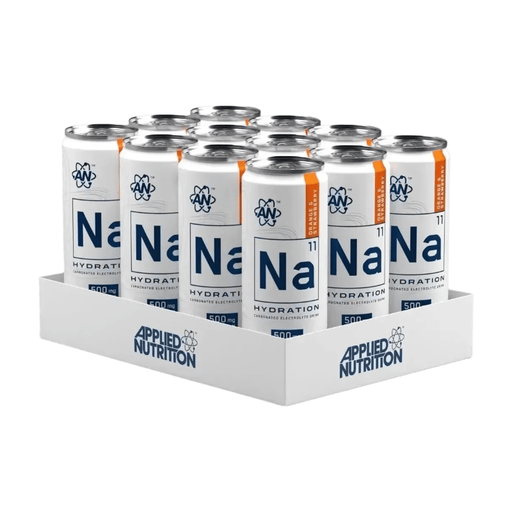
Why This Fits Their Persona: A chilled 330 ml can is ready to drink before the gym, football training, commute or journey.
The packaging states 0 grams of sugar and 7 kcal per can. This makes it clear that it is not a carbohydrate-rich isotonic sports drink.
500 mg of sodium, 190 mg of potassium and 56 mg of magnesium per can; according to the product information, sugar-free, gluten-free and halal-certified.
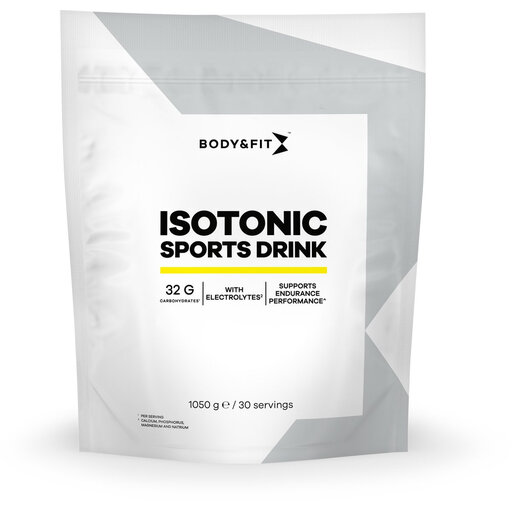
Why This Fits Their Persona: The large pack is designed for regular use during endurance training, team sports or longer sessions where carbohydrates are a welcome part of your drink choice.
The amount of sugar and carbohydrates is clearly stated per serving. This allows you to distinguish the drink from a low-calorie, sugar-free sports drink.
According to the product information, 1,050 grams provides approximately 30 servings of 35 grams; each serving contains, among other nutrients, 279 mg of sodium, 750 mg of potassium and 141 mg of magnesium.
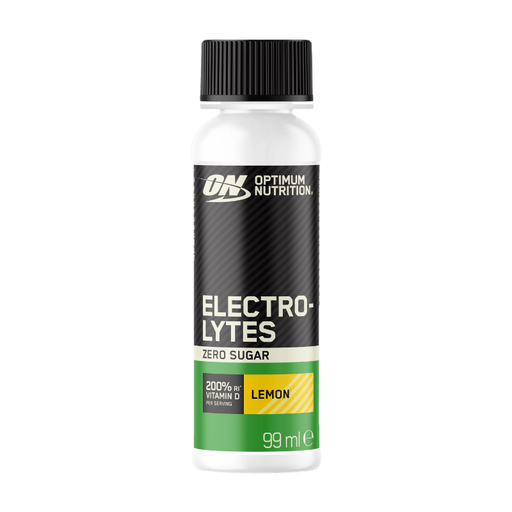
Why This Fits Their Persona: The compact shot format fits easily into a jacket pocket, small bag or hand luggage when you do not want to carry powder or a large can.
The serving size is fixed at 99 ml per shot. There is no need to measure a scoop or estimate a mixing ratio.
8 kcal and, according to the product information, 0.2 grams of sugar per shot; contains 400 mg of potassium, 56 mg of magnesium and 200 mg of sodium.
Browse a current selection of electrolyte drink mixes and compare formats, flavours, nutritional values and usage instructions.
That depends on the duration and intensity of your activity, the temperature and how much you sweat. For a short workout, water may be sufficient. During longer periods of exercise, a drink containing carbohydrates and electrolytes may be suitable. A sugar-free option makes more sense when you do not want additional carbohydrates.
Not necessarily. Electrolyte powder may contain only minerals, but it can also include sugar, carbohydrates, vitamins or other ingredients. An isotonic sports drink generally refers to a particular concentration of dissolved substances in the drink. Check the preparation instructions and nutrition table for the specific product.
Store unopened products according to the date shown on the packaging. Once opened, powder should generally be kept tightly sealed, dry and away from direct sunlight. Use an opened can or prepared drink according to the label. Check the current storage instructions for each product and do not use packaging that is damaged.
