
Vandaag of morgen in huis

Kwaliteit gegarandeerd

Welkomstaanbiedingen ontgrendelen: GRATIS bezorging | Tot 80% korting | Gratis 30 dagen JoyPlus-proefperiode
Download de app
An electrolyte drink may seem simple at first glance: water with minerals, flavouring and sometimes vitamins. However, products can vary considerably in their levels of sodium, sugar, calories and carbohydrates, as well as serving size and ease of use. If you only look for terms such as “hydration”, “isotonic” or “sports formula”, you may end up buying a product that does not suit your training goals.
For adults in the Netherlands, these are the three main pitfalls to be aware of:
Electrolytes are minerals that carry an electrical charge when dissolved. Sports drinks mainly contain sodium, potassium, magnesium, calcium and chloride. When you sweat, you lose fluids and salts, but the amount varies from person to person and depends on the temperature, duration and intensity of the exercise.
For many sportspeople, sodium is a useful point of comparison. A drink containing 500 mg of sodium per 330 ml has a different composition from a powder that provides 279 mg of sodium after being mixed with 500 ml of water. So do not just look for “lots of electrolytes” on the front of the pack; check the nutrition table.
A sports drink with electrolytes may be suitable around intense training sessions or competitions. For a short, gentle session, plain water may be enough. There is no fixed amount that is right for every sportsperson.
A sugar-free electrolyte drink with few calories is suitable for consumers who do not want to drink extra energy. For example, Applied Nutrition NA11 lists 0 grams of sugar and 7 kcal per 330 ml can. According to the product information, the can contains 500 mg of sodium, 190 mg of potassium and 56 mg of magnesium.
A carbohydrate-rich drink serves a different purpose. Body & Fit Isotronic Drink Tropical contains 29 grams of carbohydrates per 35-gram serving, including 18 grams of sugar, and provides 119 kcal. According to the product information, the powder is intended to be mixed with approximately 500 ml of water. This can be practical during longer endurance sessions when you need carbohydrates as well as fluids.
A powder or electrolyte stick is lightweight to carry and can be mixed with water to suit your taste. A ready-to-drink can is quicker, but takes up more space and requires no preparation. When choosing an electrolyte supplement, always check:
“Contains magnesium and potassium” does not necessarily mean that the amounts are high. According to the product table, Applied Nutrition NA11 contains 56 mg of magnesium and 190 mg of potassium per can. An Applied Nutrition stick lists 133 mg of magnesium and 403 mg of potassium per serving, but also contains added vitamins and other ingredients.
An electrolyte drink for sport should match the activity:
The selection below is based on verifiable information from the product details provided. Brand claims about supporting performance, energy or hydration are not presented here as guaranteed results.
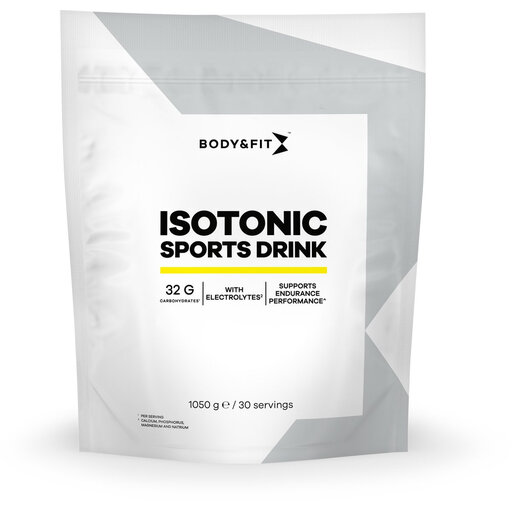
Why it suits this profile: According to the product information, the large powder format contains approximately 30 servings and makes around 15 litres of prepared sports drink. This is practical for regular training.
The serving and preparation instructions are clear: 35 grams mixed with approximately 500 ml of water. Bear in mind, however, that each serving contains 29 grams of carbohydrates and 18 grams of sugar.
Powder format, approximately 30 servings, 750 mg of potassium and 141 mg of magnesium per serving according to the product table.
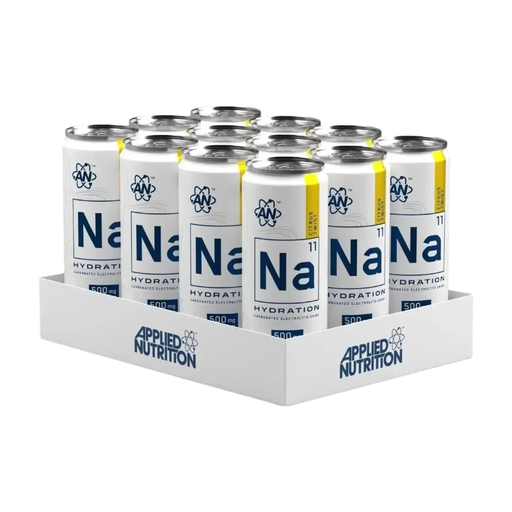
Why it suits this profile: A ready-to-drink can with fixed nutritional values is convenient for anyone who does not want to measure out powder and is looking for a sugar-free option.
The packaging states 0 grams of sugar and 7 kcal per 330 ml. However, check your total salt and sodium intake if you drink several cans.
500 mg of sodium, 190 mg of potassium and 56 mg of magnesium per can; lightly carbonated and caffeine-free according to the product information.
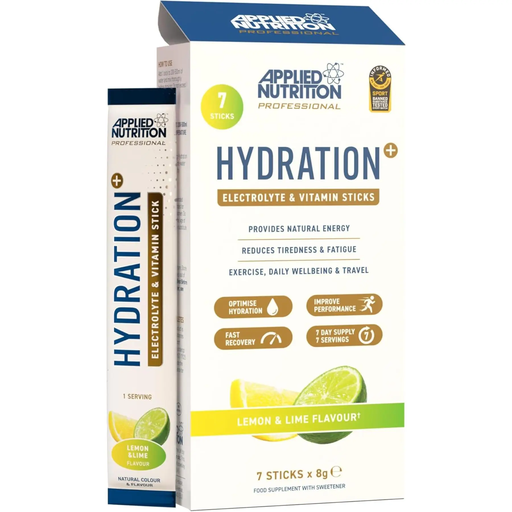
Why it suits this profile: Individual sticks are suitable for travel, competitions and sportspeople who want to carry their hydration powder in a bag.
Each stick contains a fixed dosage and should be mixed with 200 to 500 ml of water according to the product information. One stick per day is the stated maximum dosage.
The product table lists 153 mg of sodium, 403 mg of potassium and 133 mg of magnesium per stick; according to the product information, the formula is vegan.
We have put together a complete, up-to-date list of products that fully meet these strict selection criteria and the applicable European safety regulations.
No. For short or gentle training sessions, water is often sufficient. An electrolyte drink for sport may be more relevant during prolonged or intense exercise, in warm weather or when you sweat heavily. Consider your activity and the nutritional values per serving.
With electrolyte powder, you can adjust the amount of water and often make several servings cost-effectively. A can is ready to use straight away, but contains a fixed amount and is heavier to carry. Electrolyte sticks combine a fixed dosage with portability.
Unopened products remain usable until the date shown on the packaging, provided they are stored according to the label. Seal powder securely after opening and store it in a cool, dry and dark place. According to the product instructions, an opened can or bottle should be refrigerated and used within the stated period. If you have allergies, take medication or are pregnant, always check the current label and consult a doctor or pharmacist if in doubt.
