
Vandaag of morgen in huis

Kwaliteit gegarandeerd

Welkomstaanbiedingen ontgrendelen: GRATIS bezorging | Tot 80% korting | Gratis 30 dagen JoyPlus-proefperiode
Download de app
During a long bike ride, intense training session or hot day while travelling, you may be looking for a practical electrolyte drink. However, not every sports drink, hydration drink or energy drink is the same. Some products mainly contain sugar, while others focus on caffeine, and the electrolyte content is barely mentioned.
As a Joybuy Product Recommendation Officer, I filter the most important product information in a clear and practical way. This helps you see more quickly which drink suits your needs and prevents you from paying for marketing terms that say little about the actual ingredients.
Packaging that says hydration drink or “hydrating” tells you very little on its own. Always check the nutrition table and ingredients list. Pay particular attention to sodium, potassium, magnesium and chloride. Sodium is a useful point of comparison, as it can account for a significant amount lost through sweating.
A drink may therefore be marketed as an electrolyte drink while containing only small amounts of minerals. For example, Prime Ice Hydration lists 4 kcal, 0.5 grams of carbohydrates and 0 grams of salt per 100 ml. The ingredients list does mention potassium and magnesium salts, but does not give a separate amount per bottle.
An energy drink often focuses on caffeine and alertness. That is different from an isotonic sports drink designed to provide fluids, carbohydrates and electrolytes. According to the product information, Slammers contains 0.032% caffeine and 11.4 grams of sugar per 100 ml. Celsius Sparkling Kiwi Guava contains 0.03% caffeine according to the label, but no sugar.
If you mainly want electrolytes during exercise, do not just look at the flavour or the word “energy”. Also check:
A sugar-free electrolyte drink can be useful if you want to consume few calories. However, during prolonged endurance exercise, a drink containing carbohydrates may serve a different purpose from a sugar-free sports drink. The right choice depends on the duration and intensity of your activity.
Body&Fit Isotonic Drink contains approximately 119 kcal, 29 grams of carbohydrates and 279 mg of sodium per 35-gram serving. This makes it nutritionally different from a low-calorie drink such as Applied Nutrition NA11 Hydration, which lists 7 kcal, 500 mg of sodium and 0 grams of sugar per 330 ml can.
Always compare products per can, bottle, stick or prepared water bottle. A value per 100 ml may seem low when the packaging contains 500 ml. So make a note of, for example:
With electrolyte powder, the mixing ratio is also important. Body&Fit recommends mixing 35 grams of powder with approximately 500 ml of water. According to the product description, the 1,050-gram pack provides around 30 servings, enough to make approximately 15 litres of drink.
European labels may list both salt and sodium. These are not exactly the same values. So check which unit is being used and do not compare a salt value directly with a sodium value.
Applied Nutrition NA11 lists 500 mg of sodium and 4.2 grams of salt per can. This is a considerably more detailed presentation than a product that only states “electrolyte blend”. A clear table helps you assess the composition more accurately.
An energy drink or hydration drink may contain caffeine, taurine, green tea extract or other stimulating ingredients. According to the product information, Body & Fit Fit Energy Drink contains 100 mg of caffeine per 250 ml can. Optimum Nutrition Amino NRG + Electrolytes also lists 100 mg of caffeine per 250 ml.
These products are therefore not the same as a caffeine-free hydration drink. Also check the warnings on the label. Various products in this category are not recommended for children or during pregnancy and breastfeeding. Food supplements should not be used as a substitute for a varied diet.
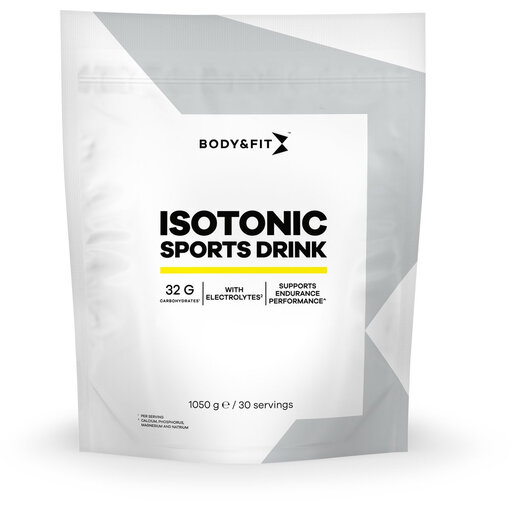
Why it suits this profile: The powder format makes approximately 15 litres of prepared isotonic sports drink and is practical for regular training sessions.
The serving size and nutritional values are clearly stated, allowing you to calculate the carbohydrates and electrolytes per prepared serving.
35 grams per 500 ml; approximately 29 grams of carbohydrates and 279 mg of sodium per serving.
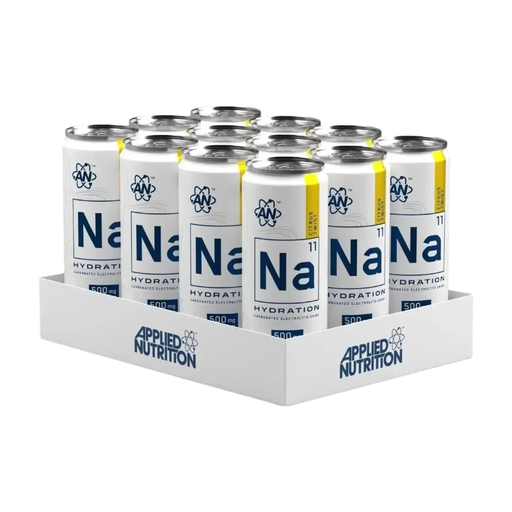
Why it suits this profile: A ready-to-drink option for adults looking for a precisely stated electrolyte content and zero sugar.
The product information lists the amounts of sodium, potassium and magnesium per can, along with the calories and sugars.
500 mg of sodium, 190 mg of potassium, 56 mg of magnesium, 0 grams of sugar and 7 kcal per 330 ml can.
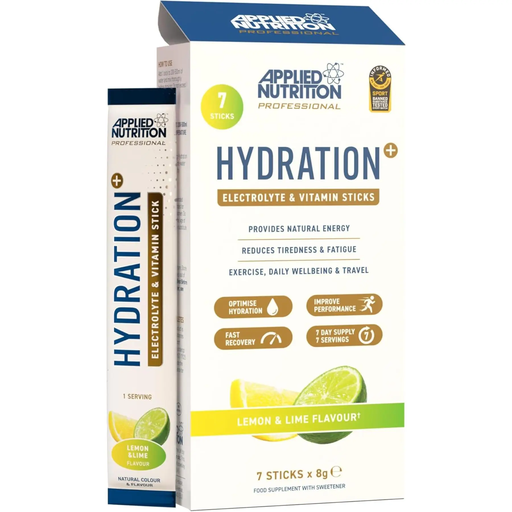
Why it suits this profile: Individual electrolyte drink sticks are convenient for gym bags, travelling and situations where you choose how much water to use.
The packaging states the composition per stick and gives a mixing range of 200 to 500 ml of water.
Approximately 1,190 mg of electrolytes per stick; around 10 kcal and seven added vitamins per stick according to the product information.
Electrolyte powder is suitable if you train regularly and want to compare the cost per litre. However, you need to measure and mix it yourself. A can or bottle is ready to drink and is better suited to commuting, competitions or car journeys. Electrolyte drink sticks take up very little space and are convenient when you have access to water while you are out and about.
Also consider shelf life and storage. After opening, powder should be sealed properly and stored in a cool, dry and dark place. According to the product information, an opened ready-to-drink beverage should be refrigerated and consumed within the specified period.
We have put together a complete, up-to-date list of products that fully meet these strict selection criteria and the applicable European safety regulations.
No. A sports drink may contain carbohydrates and electrolytes, while an electrolyte drink can also be sugar-free and low in calories. Check the nutritional values per serving rather than relying solely on the product name.
That depends on its composition and how you use it. Pay particular attention to sodium, caffeine, sugar and the recommended amount. With food supplements, you should follow the instructions on the label. If you take medication, have a medical condition or are unsure, it is wise to consult a doctor or pharmacist.
Powder is useful for multiple training sessions and larger quantities. A ready-to-drink beverage is quicker and easier when you are out and about. Sticks offer a middle ground: they are compact to carry and can be mixed with water when needed.
