
Vandaag of morgen in huis

Kwaliteit gegarandeerd

Welkomstaanbiedingen ontgrendelen: GRATIS bezorging | Tot 80% korting | Gratis 30 dagen JoyPlus-proefperiode
Download de app
An electric toothbrush can help make your brushing routine more consistent, but not every model suits every user. A low price may be appealing, while an expensive device may include features you do not need. Terms such as “smart,” “professional” and “extra clean” only become meaningful when you check the underlying specifications.
In this guide, I explain as a Joybuy Product Recommendation Officer which features genuinely matter, which purchasing pitfalls you can avoid and which models suit different usage scenarios.
A sonic toothbrush with a high number of movements per minute sounds impressive. However, this figure alone does not indicate how comfortable the device is to use or how effectively you can apply the correct brushing technique. Also consider the available intensity levels, the shape of the brush head and the presence of a pressure sensor.
A high speed may also feel less suitable if you have sensitive gums. In that case, a gentle mode and a well-fitting brush head are more important than the maximum number of movements alone.
Bluetooth, an app and artificial intelligence can be useful if you want feedback on your brushing routine. If you stop using the app after a few days, however, you may be paying for features that add little practical value.
Therefore, check whether a smart toothbrush remains fully functional without a smartphone. For everyday use, a timer, pressure sensor and clear battery indicator are often more useful than extensive app features.
An electric toothbrush is not a one-time purchase. Before buying, check which type of brush head is required, how many are included and how readily replacements are available. A travel case can be useful, but not every model includes one.
Also watch for inconsistent product information. Some listings may display different charging times, battery life or numbers of brushing modes. Always check the current product specifications on the product page.
An electric toothbrush with a pressure sensor will usually provide a light signal, vibration or speed adjustment when you apply too much pressure. This helps you control your brushing technique more effectively. It is not a medical treatment and does not replace advice from a dentist.
On Oral-B iO models, for example, pressure is indicated using colour or light signals. According to the product information, the Philips Sonicare models in this selection also use light and vibration feedback.
An electric toothbrush with a timer helps you maintain the recommended brushing time. Many models provide a signal every 30 seconds to prompt you to move to another area of the mouth, then stop or issue a warning after two minutes.
This is particularly useful for beginners, but also for experienced users who often brush for too little time. A timer works without an app, making it a feature that delivers immediate everyday value.
A rechargeable toothbrush is practical for use at home and while travelling. Look at:
Long battery life is useful if you travel frequently or prefer not to leave the charger on the bathroom counter. Charge the handle and charging station according to the instructions, and keep the connection dry.
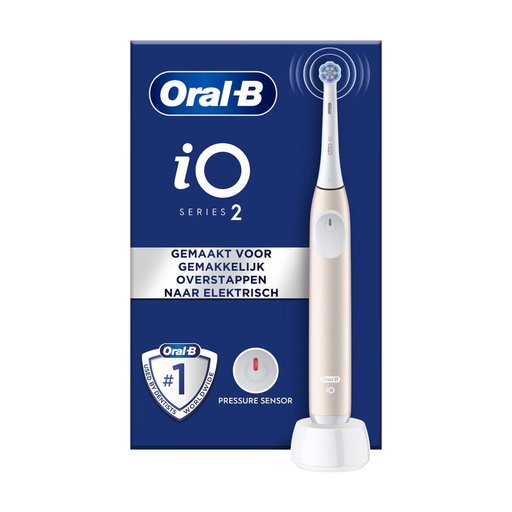
Why it fits: A straightforward model for adults switching from manual brushing who do not need an extensive app.
The product information lists an automatic pressure sensor, timer and three intensity levels, so you are paying for practical essentials.
Round iO brush head, three quiet intensity levels, a 30-second interval timer and a rechargeable battery.
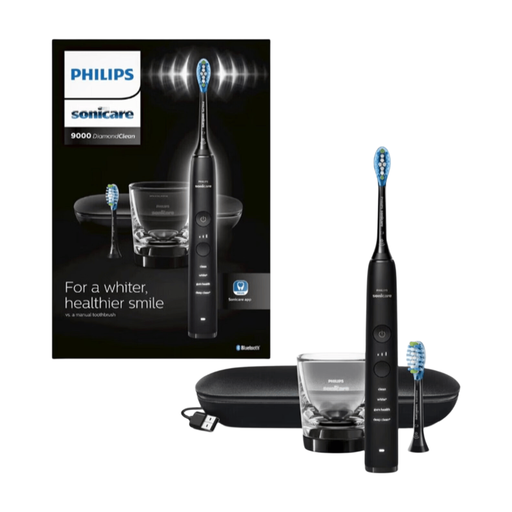
Why it fits: For anyone looking for a sonic toothbrush with multiple brushing modes, Bluetooth and an elegant charging solution.
The app is an optional extra; the brush also includes a timer, pressure sensor and four dedicated brushing modes on the device itself.
According to the product specifications: 62,000 movements per minute, four modes, Bluetooth, two brush heads, a charging glass and a travel case.
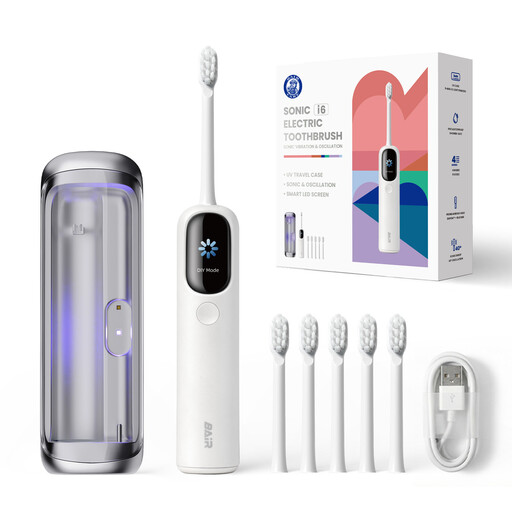
Why it fits: Ideal for users who want to charge less often and need one toothbrush for both home and travel.
The listed features are specific: five brushing modes, a timer, rechargeable operation and IPX8 water resistance.
According to the product title, the stated battery life is up to 100 days. Check the current packaging and manual for the applicable usage conditions.
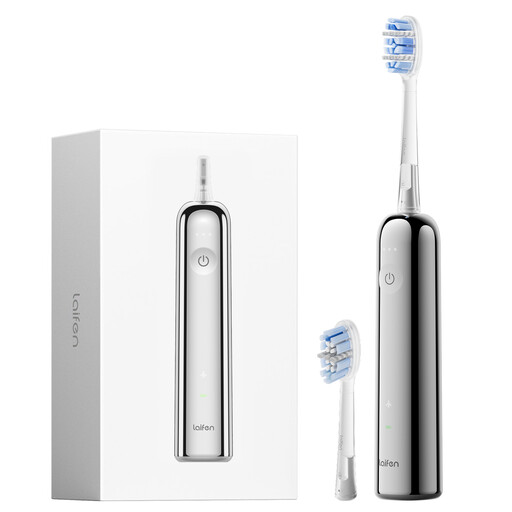
Why it fits: For users who want Bluetooth app control combined with a modern housing and wireless magnetic charging.
The app is paired with a clearly stated pressure sensor and battery life, rather than relying solely on marketing language about smart brushing.
The listing states up to 60 days of battery life, Bluetooth, a pressure sensor and two brush heads.
Browse a current selection of smart toothbrushes with different brushing modes, timers, pressure sensors and charging solutions.
Its lifespan depends on the battery, charging station, motor, maintenance and availability of replacement parts. The statutory guarantee in the European Union for the models mentioned is at least two years. This does not mean that the battery will last indefinitely. Keep your proof of purchase and use only compatible chargers and brush heads.
A sonic toothbrush may feel comfortable when the model offers a sensitive or gentle mode and a pressure sensor. There is no universal setting that works for everyone. Start at the lowest intensity and stop if discomfort persists. If you already have gum problems, personal advice from a dentist is more reliable than relying solely on a product claim.
The electricity used for charging is generally minimal. The recurring costs mainly come from replacement brush heads. Therefore, do not compare only the purchase price; also consider the number of included heads, the price of compatible replacements and any travel cases or charging accessories.
