
Vandaag of morgen in huis

Kwaliteit gegarandeerd

Welkomstaanbiedingen ontgrendelen: GRATIS bezorging | Tot 80% korting | Gratis 30 dagen JoyPlus-proefperiode
Download de app
An electric toothbrush can make brushing easier, but not every model suits every user. The difference is not just in the number of brushing movements or a striking display. For UK consumers, the battery, replacement brush heads, water resistance and ease of use are also important.
Marketing copy can also create expectations that do not always match the product specifications. Pay particular attention to verifiable information and features you are actually going to use.
A high number of movements per minute sounds appealing, but on its own it does not indicate how comfortable a brush is to use. The shape of the brush head, intensity settings, noise level and type of movement also matter. A sonic electric toothbrush and a rotary model, for example, use different brushing movements.
A waterproof electric toothbrush is useful in the bathroom, but the charging base or USB connection needs separate consideration. An IPX7 or IPX8 rating says something about the casing according to the product information; it does not automatically mean that the toothbrush can be charged while in contact with water. Dry the charging port completely before connecting a cable and keep the charger away from direct water.
An app, artificial intelligence, multiple intensity settings and a display can be useful, but they often increase the price. For many users, a toothbrush with a timer and a suitable sensitive setting are more practical than extensive app controls. Also check whether replacement brush heads are available and affordable.
If you are switching from a manual toothbrush, a simple start is often beneficial. An electric toothbrush with multiple brushing modes gives you more choice, such as everyday cleaning, sensitive brushing or polishing. For sensitive gums, low intensity and a soft brush head are particularly relevant. An electric toothbrush for sensitive gums is no substitute for advice from a dentist; stop using it if you experience pain or persistent irritation and seek professional advice.
A toothbrush with a pressure sensor usually provides a light signal, vibration or speed adjustment when you press too hard. This is a practical aid, but you should still move the brush gently over your teeth.
A built-in timer helps you stick to the recommended brushing time. Many models also give a signal every 30 seconds to remind you to move to a different quadrant. Check whether the timer stops after two minutes or simply gives a warning. This small difference determines how independently the function works in practice.
A rechargeable toothbrush is convenient at home and when travelling. Do not compare only the stated “battery life in days”; also check the conditions under which that figure applies. The number of brushing sessions per charge is usually clearer. An electric toothbrush with long battery life is particularly useful if you travel frequently or several people share the same charging point.
Also consider the type of connection. USB-C is easy to use with existing cables, while a dedicated charging station provides a fixed place on the bathroom shelf. An electric toothbrush with a travel case protects the brush head and makes packing more organised.
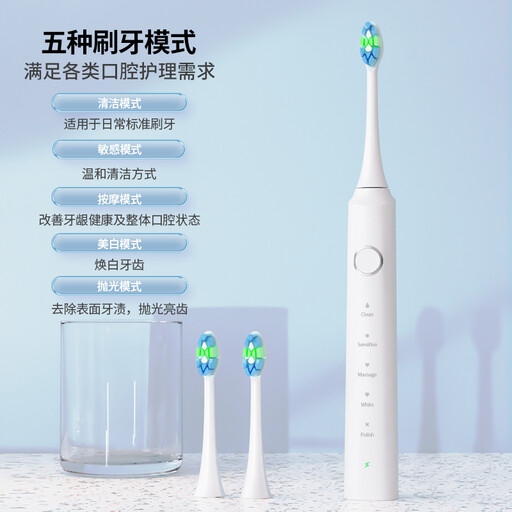
Why it suits this profile: Five modes, USB-C charging and a timer give beginners the essential functions they need without requiring an app.
The product information mentions not only a high brushing frequency, but also a 2-minute timer with signals every 30 seconds and a sensitive mode.
Five brushing modes, IPX7 water resistance, USB-C charging and, according to the product listing, up to 40 brushing sessions per charge.
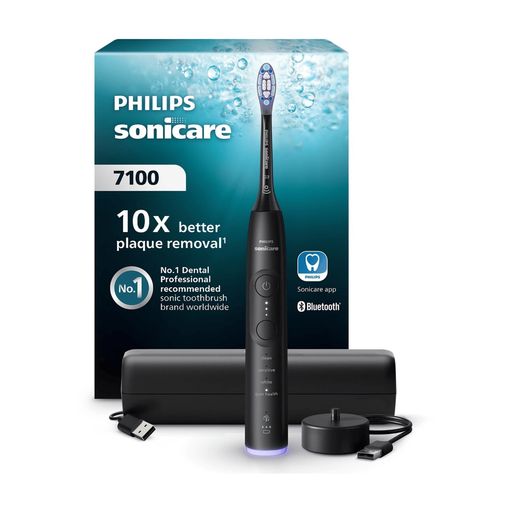
Why it suits this profile: This model combines sonic technology with four modes, three intensity levels, a travel case and support through the Sonicare app.
The product listing specifies the modes, intensity levels, pressure sensor and replacement reminder. According to Philips’ own information, the app helps identify missed zones; this is a brand claim, not a guarantee of a particular result.
62,000 movements per minute according to the product specification, four brushing modes, three intensity levels, a pressure sensor and a travel case.
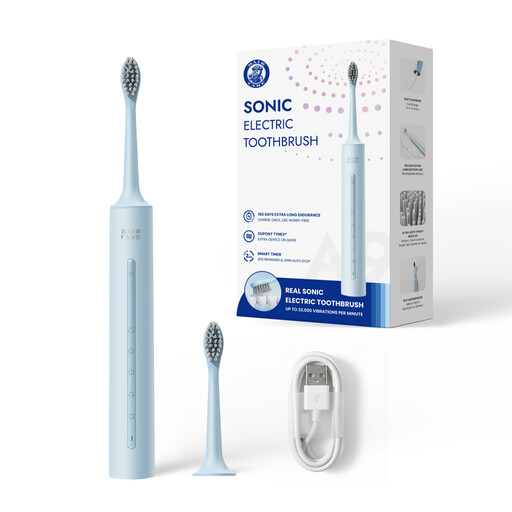
Why it suits this profile: The combination of five cleaning modes, three intensity levels and a stated battery life of 180 days is aimed at users who want to charge as infrequently as possible.
The choice of intensity levels means you do not have to brush on the highest setting by default. Before buying, however, check the included accessories and current charging details.
According to the product name, 180 days of battery life, five modes, three intensity levels, a smart timer and IPX7 water resistance.
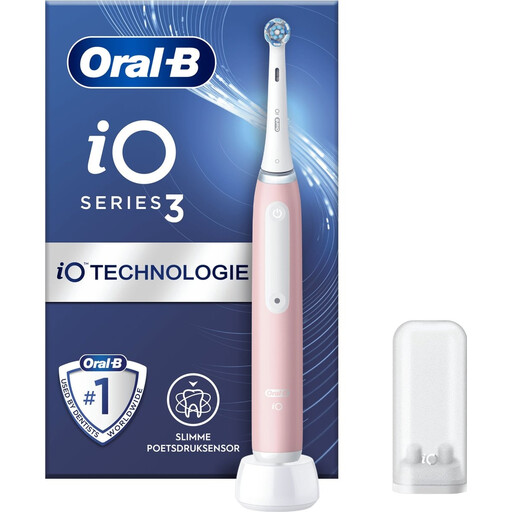
Why it suits this profile: The visible pressure sensor, three modes and round brush head suit adults who want guidance while brushing.
According to the product information, the pressure sensor displays a red, white or green light. This lets you see while brushing whether you need to adjust the pressure.
Three brushing modes, interactive indicators, a timer and a stated battery life of up to 14 days per charge.
We have put together a complete, up-to-date list of products that fully meet these strict selection criteria and the applicable European safety regulations.
Its lifespan depends on the battery, motor, charging method and availability of replacement brush heads. The brush head should be replaced regularly; the handle will generally last longer. Store the device in a dry place and do not use a damaged cable, charging base or brush head.
It can be, provided the model has a sensitive mode, low intensity and a soft brush head. Start gently and do not press hard. If bleeding or painful gums persist, it is wiser to seek advice from a dentist than to keep switching between brushing modes yourself.
In addition to the purchase price, you mainly pay for electricity and replacement brush heads. The power consumption of a small charging device is usually limited; the recurring costs are more likely to come from the brush heads. Compare the price and availability of suitable refills before choosing a model.
