
Vandaag of morgen in huis

Kwaliteit gegarandeerd

Welkomstaanbiedingen ontgrendelen: GRATIS bezorging | Tot 80% korting | Gratis 30 dagen JoyPlus-proefperiode
Download de app
An electric toothbrush can make brushing easier, but not every model suits every user. If you only look at the number of brushing movements or an eye-catching display, you may end up paying for features that are rarely used at home. Families, travellers and people with sensitive teeth may find other features more important.
Pay particular attention to these three common pitfalls:
A sonic electric toothbrush moves the bristles rapidly from side to side. A rotating model, such as some Oral-B models, uses a round brush head that moves from tooth to tooth. Neither system is automatically suitable for everyone.
Look at the number of modes and intensity levels. For everyday use, a standard mode and a gentler setting are often sufficient. If you have sensitive gums, you may benefit from an electric toothbrush for sensitive teeth with a Sensitive mode, soft brush head and multiple intensity levels.
Additional modes are only useful if you actually use them. A White or whitening mode, for example, is not essential for a straightforward daily brushing routine.
An electric toothbrush with a pressure sensor gives a light signal, vibration or another warning when you press too hard. This is particularly useful for people who are used to brushing firmly with a manual toothbrush. The sensor does not make good brushing technique unnecessary, but it can help you brush more consciously.
An electric toothbrush with a timer usually divides the recommended brushing time into 30-second intervals and stops or alerts you after two minutes. Some models use three minutes. Check which timer suits your routine and whether all family members understand the instructions.
A model with long battery life is useful for holidays, business trips or bathrooms without a conveniently placed socket. The stated usage time is usually based on a certain number of brushing sessions per day, so actual battery life may vary.
Also check:
Replace the brush head according to the instructions, usually every three months or sooner if the bristles become worn. The cost of replacement heads should therefore be included in the total cost of use.
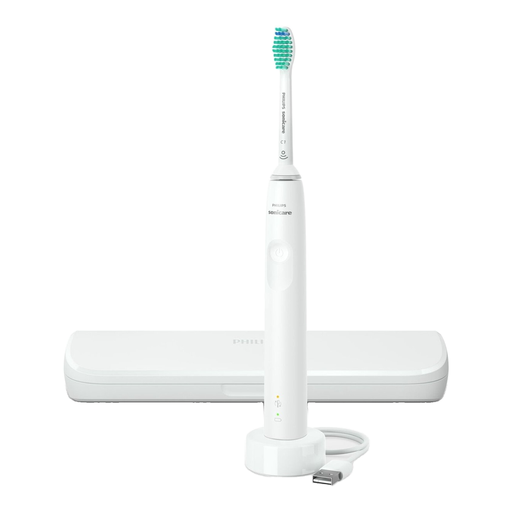
Why it suits this profile: This model offers a clear, straightforward set of essential features for anyone switching to electric brushing for the first time and not looking for extensive app functions.
The pressure sensor and 2-minute Smartimer focus attention on practical brushing habits rather than unnecessary smart features.
31,000 movements per minute, pressure control, BrushSync replacement reminder and battery life of up to 14 days according to the product specifications.
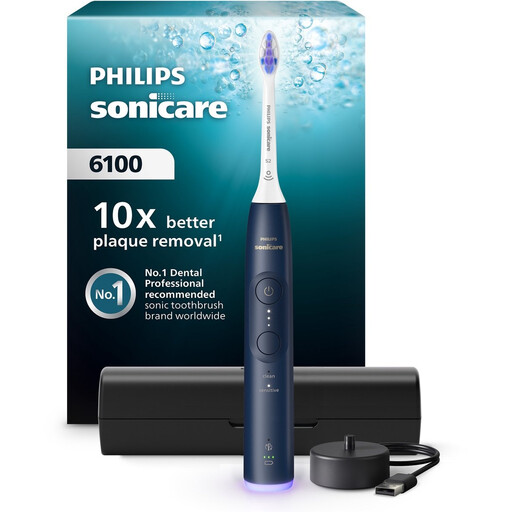
Why it suits this profile: The combination of a Sensitive brush head, two brushing modes, three intensity levels and a smart travel case is ideal for adults who want to fine-tune their routine.
The pressure sensor and adjustable intensity help prevent a powerful mode from being used unnecessarily aggressively.
62,000 movements per minute, three intensity levels, pressure control, BrushSync and up to three weeks of use on a full charge according to Philips.
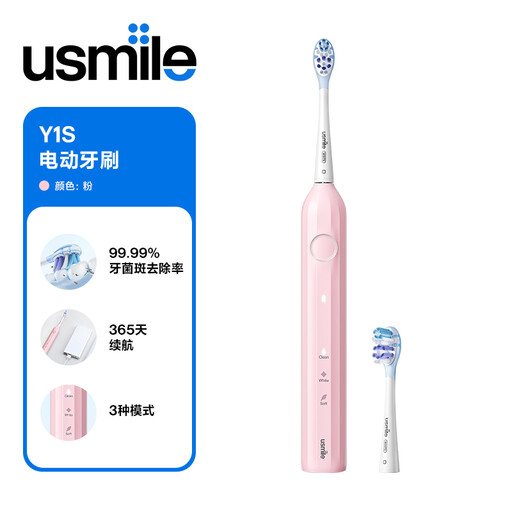
Why it suits this profile: Ideal for people who travel frequently, want to charge less often and like to use different brushing modes for everyday brushing or a gentler routine.
The 30-second interval timer and automatic shut-off make the long battery life practical without sacrificing the timer.
Three modes, USB-C charging, a stated battery life of up to 180 days and a hard travel case included.
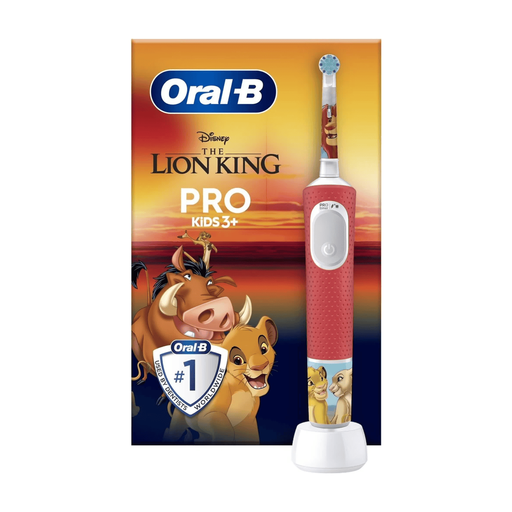
Why it suits this profile: This electric toothbrush for children has a round brush head, extra-soft bristles and two modes. According to the product information, it is intended for children aged three and over under supervision.
The child-friendly brush head and Super Sensitive mode help prevent the use of an adult brush head or an overly powerful setting.
Two brushing modes, a round brush head, a timer function via the associated app and a travel case.
We have put together a complete, up-to-date list of products that fully meet these strict selection criteria and the applicable European safety regulations.
Its lifespan depends on the battery, charging station, exposure to water and maintenance. Clean the brush head after every brushing session and keep the handle dry. Replace the brush head about every three months. If a defect occurs within the statutory period, consumers in the EU may be entitled to a legal guarantee; check the seller’s terms and conditions for details.
In addition to the purchase price, you pay for replacement brush heads and electricity. Electricity costs are generally limited, but brush heads are the main ongoing expense. Compare the price and availability of suitable heads in advance. A twin pack can be practical for couples or families, while one handle with several heads saves space.
This depends on the child’s age, the brush head and the manufacturer’s instructions. Children under three are not recommended to use electric toothbrushes according to the product information provided. Children aged three to seven require adult supervision. Always choose an age-appropriate brush head and do not let young children handle charging stations or small parts on their own.
