
Vandaag of morgen in huis

Kwaliteit gegarandeerd

Welkomstaanbiedingen ontgrendelen: GRATIS bezorging | Tot 80% korting | Gratis 30 dagen JoyPlus-proefperiode
Download de app
An electric toothbrush for children can make brushing easier to manage, but not every model suits every age or brushing habit. A prominent screen, familiar cartoon character or multiple brushing modes says little about day-to-day use on its own. Pay particular attention to the brush head, controls, timer, battery and guidance features.
As a Joybuy Product Recommendation Officer, I filter product information based on practical details. This helps you see more quickly which electric children’s toothbrush suits your family and which marketing claims are worth checking.
A toothbrush for children aged 3 and over is not automatically suitable for a younger child. Small parts, loose stickers and a brush head can pose risks. Young children still need to be supervised by an adult. Always check the age recommendation on the product page and in the instructions.
Some models are specifically designed for children aged 6 and over. A smart children’s toothbrush with Bluetooth, an app or a display may be appealing to an older child, but too complicated for a preschooler.
A sonic toothbrush for children may advertise a high number of movements per minute. That figure does not tell you how large the brush head is, how soft the bristles are or how much pressure the child applies. For young children, soft or extra-soft bristles and a small brush head are often more important than a high speed.
Also consider the difference between a rotating brush head and sonic technology. Both systems require calm, gentle movements. Pressing hard or chewing on the brush head is not recommended.
A children’s toothbrush with a timer is only useful if the signal is easy to understand. A two-minute timer with intervals can help divide the mouth into four sections. Some models use a display, music, vibrations or an app. Choose the guidance your child will actually follow.
An app can provide extra motivation, but check whether the phone or tablet is compatible and whether Bluetooth is required. Without a suitable device, a simple timer may be more practical.
Check these points before buying:
If you are looking for a toothbrush for sensitive teeth and gums, do not rely on that search term alone. Check whether the model actually mentions a sensitive mode, soft brush head or pressure sensor. A brand’s comfort claim is not a guarantee for every user.
A two-minute timer is included on several children’s models. The Oral-B Pro Kids models also mention signals at 30-second intervals. The Oral-B iO Kids 6+ lists a pressure sensor and three brushing modes. The Philips Sonicare For Kids HX6352/42 includes a KidTimer, but the supplied product specifications do not mention a pressure sensor.
A pressure sensor can help a child avoid brushing too hard, but supervision and guidance are still needed. Look for a clear light, sound or vibration warning, and check that your child understands these signals.
A rechargeable toothbrush for children means you do not have to replace batteries regularly. However, battery life varies considerably:
Long battery life is particularly useful when travelling, but also check the charging time, charger type and water resistance. Rinse the brush head after use, leave it to dry and keep the charging unit away from water. A travel case is practical for families who are often on the go.
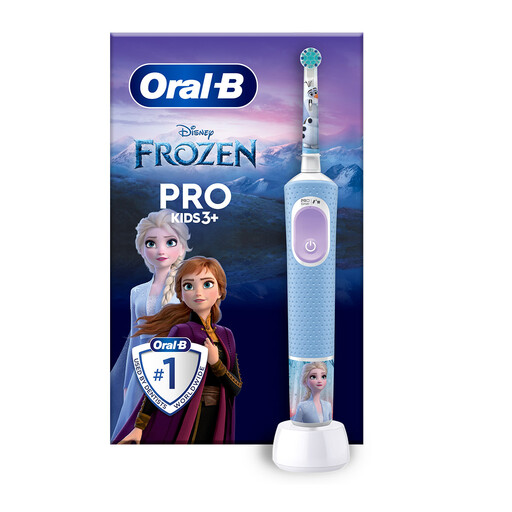
Why it suits this profile: An easy-to-use model for children aged 3 and over, with two modes and a compact, round brush head.
The product information lists very soft bristles, a sensitive mode and a timer. However, check the current availability of replacement brush heads.
Two brushing programmes, a rechargeable battery, stickers and support for the Disney Magic Timer app, according to the product description.

Why it suits this profile: Ideal for families looking for app-based guidance, two brush head sizes and longer battery life.
The product information lists soft bristles, two modes and a timer. No pressure sensor is mentioned, so teach your child to brush gently.
Bluetooth app, two brush heads included, KidTimer and up to three weeks of battery life according to the product information.
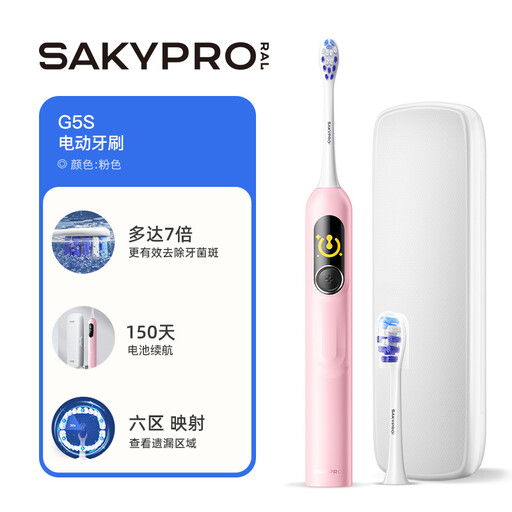
Why it suits this profile: An option for families, teenagers and adults who value a display, long battery life and a travel case.
The product description lists a real-time brushing map and a timer, helping to highlight areas that may have been missed. Check the age limit and supervise young children when they use the device.
LED screen, three-minute timer, travel case and up to 150 days of battery life after a full charge, according to the product information.
We have put together a complete, up-to-date list of products that fully meet these strict selection criteria and the applicable European safety regulations.
Let your child get used to the sound and movement of an electric toothbrush first. Apply a small amount of children’s toothpaste and gently guide the brush along the teeth. Do not press hard. Check the brush head regularly and replace it according to the manufacturer’s instructions.
An electric toothbrush does not replace parental supervision. Children aged 3 and over especially need help with measuring toothpaste, brushing for the correct length of time and cleaning hard-to-reach areas. Keep loose replacement brush heads and stickers out of reach of children under 3.
That depends on the model. According to the product information, several Oral-B Pro Kids models are suitable for children aged 3 and over. Other models, such as the Oral-B iO Kids, are designed for children aged 6 and over. Always check the age recommendation and supervise your child while they brush.
The operating time per charge varies from one device to another. Check the stated battery life in minutes or weeks, and bear the charging time in mind. The brush head should be replaced approximately every three months on several models, or sooner when the bristles become worn.
No. An app can make brushing more fun and show progress, but a simple timer may be enough. Choose an electric toothbrush with an app only if your child uses the guidance and you have a compatible Bluetooth device.
