
Vandaag of morgen in huis

Kwaliteit gegarandeerd

Welkomstaanbiedingen ontgrendelen: GRATIS bezorging | Tot 80% korting | Gratis 30 dagen JoyPlus-proefperiode
Download de app
An electric toothbrush can be useful if you want to keep track of how long you brush, apply less pressure or avoid being without a charging cable when you’re away from home. However, you may end up paying for features you hardly ever use. A screen, app or wide choice of brushing modes may sound appealing, but they don’t automatically make a toothbrush easier to use or right for your teeth.
Focus on specifications you can check. These are some common pitfalls to watch out for when comparing a sonic electric toothbrush or rechargeable toothbrush.
A battery that lasts for months is convenient, but check how the manufacturer measured this. The number of brushing sessions, the mode selected and the charging time can all affect how long the battery lasts in practice. Also check the connection. USB-C is handy for travel, while some models require a dedicated charging stand.
A toothbrush with several brushing modes can be useful if you’ll actually switch between them, for example between everyday cleaning and a gentler mode. For many people, an everyday mode, a sensitive mode and a reliable timer are enough. Extra modes can mainly add to the price and make the controls less straightforward.
Claims such as “removes up to three times more plaque” or “whiter teeth” are claims made by the brand. According to Philips’ own research, some Sonicare models can achieve these results under the conditions used by the brand. Don’t take this as a universal guarantee for every user. Good brushing technique, a suitable brush head and regular replacement remain important.
A toothbrush with a timer helps you stick to the recommended brushing time. Look for two features:
Some models only give a signal at the end, while others also guide you through each quadrant. The second option is often easier to follow if you’re new to electric toothbrushes.
An electric toothbrush with a pressure sensor warns you when you’re pressing too hard. This can be useful if you’re used to brushing firmly with a manual toothbrush. A pressure sensor is no substitute for personal advice from a dentist or dental hygienist.
If you’re looking for an electric toothbrush for sensitive teeth, consider a soft brush head, a Sensitive mode and adjustable intensity. According to the product description, the Philips Sonicare 6100 has a Sensitive mode, three intensity levels and a warning for excessive pressure. Stop using it and ask a dentist for advice if pain or irritation persists.
When choosing an electric toothbrush for travel, these features are worth considering:
A water-resistant handle doesn’t mean you can put the charger in water. Always check the instructions and only connect a USB cable when the charging port is dry.
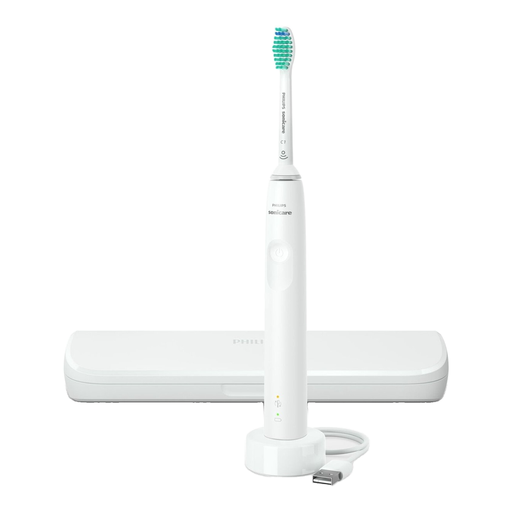
Why it suits this profile: This model keeps things simple with a 2-minute timer, 30-second guidance and a compact USB charging solution.
You’re not paying for a large number of complex modes. The product description lists a built-in pressure sensor, timer and brush head replacement reminder.
Up to 14 days of battery life according to the product information, a USB charging stand and a travel case included.
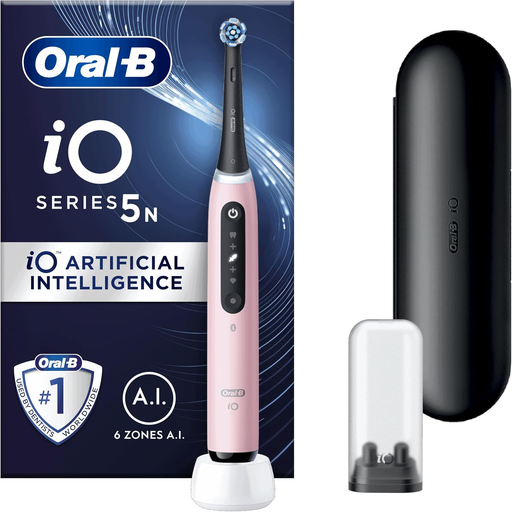
Why it suits this profile: The combination of five brushing modes, an illuminated pressure sensor, a timer and app integration is ideal if you want to keep a close eye on your brushing routine.
According to the product description, the pressure sensor shows whether you’re pressing too hard, too gently or just right. That gives you a more useful feature than simply having a high number of brushing modes.
Five modes, a round brush head, real-time guidance through the Oral-B app and a travel case.
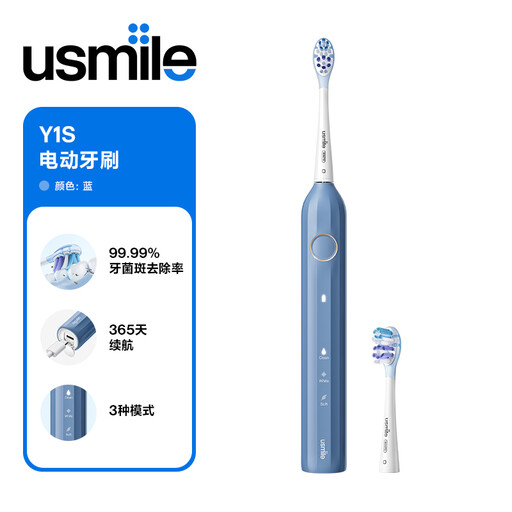
Why it suits this profile: The combination of USB-C, a travel case and a long battery life according to the product information makes it a practical choice for frequent travellers.
The three modes keep things straightforward, and the 30-second alert helps make sure you don’t miss an area. The stated six months is a brand and product specification, not a guaranteed battery life in every situation.
Three brushing modes, automatic shut-off after two minutes, USB-C and a travel case included.
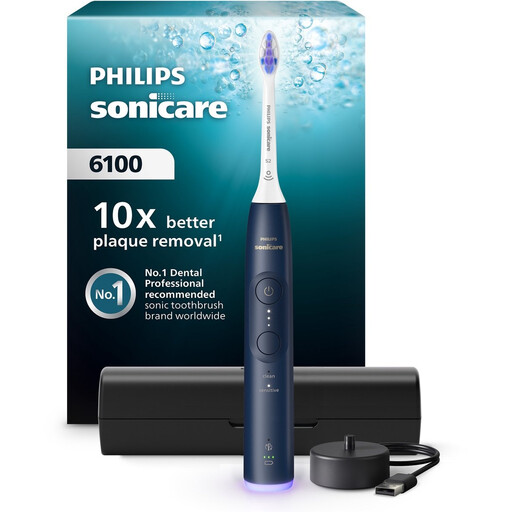
Why it suits this profile: The Sensitive brush head, two brushing modes and three intensity levels let you adjust your brushing routine to feel gentler.
According to the product description, the pressure sensor warns you if you’re brushing too firmly. That’s more concrete than relying on a gentler-sounding marketing name alone.
Sensitive mode, three intensity levels, BrushSync reminder and a smart, compact travel case.
We’ve put together a complete, up-to-date list of products that meet these strict selection criteria and the applicable European safety regulations.
A rechargeable toothbrush stays practical for longer when you look after it properly:
Before buying, also check that replacement brush heads are easy to find. The price of the handle is only part of the overall cost.
Yes, as long as you start gently and don’t press the brush hard against your teeth. Ideally, choose a model with a timer and, if you find it helpful, a pressure sensor. Let the brush do the work and move it slowly along your teeth and gumline.
Battery life per charge varies considerably by model: product specifications range from around two weeks to several months. Overall lifespan depends on the battery, charging habits, wear and care. Brush heads usually need replacing about every three months.
As well as the purchase price, you’ll pay for replacement brush heads and electricity. A small rechargeable toothbrush usually uses very little electricity. Before you order, compare the price and availability of compatible brush heads.
