
Vandaag of morgen in huis

Kwaliteit gegarandeerd

Welkomstaanbiedingen ontgrendelen: GRATIS bezorging | Tot 80% korting | Gratis 30 dagen JoyPlus-proefperiode
Download de app
An electric shaver for men may seem easy to choose at first glance. However, attractive claims about a smooth result, long battery life or water resistance can be misleading. You will quickly notice, especially with daily use, whether a device feels comfortable in your hand, moves smoothly around your jaw and is easy to clean.
“Long battery life” does not tell you much if the charging time is not stated. Always check both figures. A model offering 120 minutes of use can be practical, but only if the charging time and connector type suit your routine.
A cordless shaver with USB-C is convenient at home, in the office and when travelling. Do check whether a wall adapter is included, though. Some models come with only a USB cable in the box.
Pay attention to the exact water-resistance rating. According to the IP rating system, an IPX7 shaver is designed to withstand temporary immersion under certain conditions. Always follow the manual and check whether the charging port must be closed or dry during cleaning.
A device where only the shaving head can be rinsed is not the same as a waterproof electric shaver with a fully washable body. Never use the device while it is charging near water.
Flexible shaving heads can help follow the contours of your face, but they also require maintenance. Check whether the head is removable, whether replacement parts are available and how often the blades or foils need replacing. A rotary shaver with three heads works differently from a foil shaver with a straight shaving surface. The right choice depends on your beard growth and shaving habits.
A rotary model uses round shaving heads that you generally move over the skin in small circles. This type can be practical for longer stubble and facial shapes with lots of curves. A foil shaver has a thin foil covering the blades and is usually used with straight movements.
Neither system is automatically right for every user. If speed and flexibility are your priorities, a rotary shaver may be worth considering. If you are used to straight shaving movements, a foil model may feel more comfortable.
A wet and dry shaver gives you flexibility: dry shaving when you are in a hurry, and shaving gel or foam when that fits your routine better. Check the product page to make sure this function is explicitly mentioned. A rinseable shaving head does not automatically mean that the entire device is suitable for wet use.
For a shaver for sensitive skin, smooth movement, suitable shaving pressure and regular cleaning are important. Claims such as “skin-friendly” come from the brand’s or seller’s product description and are not a guarantee of your personal experience. Stop if irritation occurs and follow the instructions for use.
For many users in the Netherlands, these points are decisive:
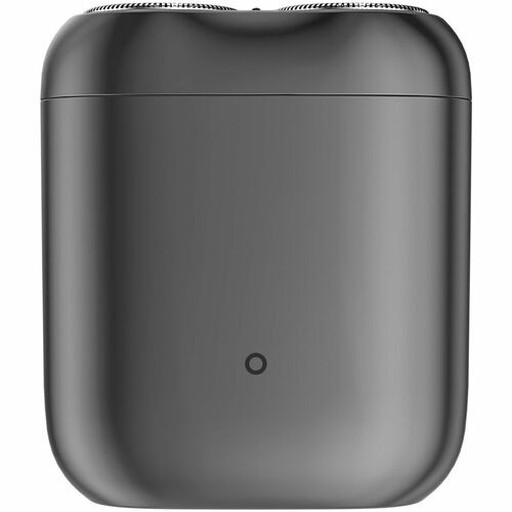
Why it suits this profile: A rechargeable model with a USB Type-C connector for everyday use without complicated setup.
The listing specifies the battery type and USB-C port, so you know in advance how the device is charged.
Rechargeable, compact design and USB Type-C, according to the product specifications.
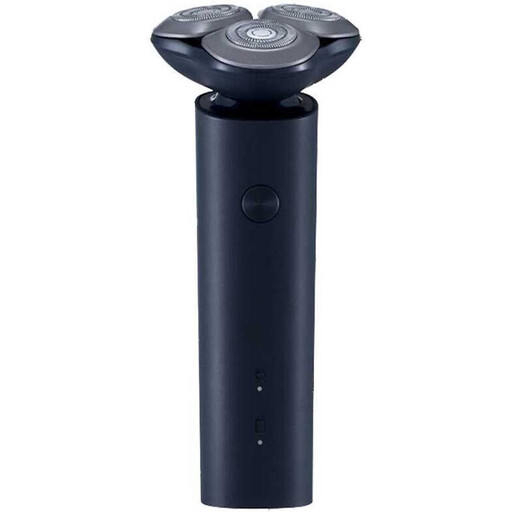
Why it suits this profile: For users who value multiple flexible shaving heads, wet and dry use, and a portable charging solution.
The product information mentions a removable shaving head, IPX7 water resistance and Type-C charging. The stated battery life of up to 60 days comes from the product description.
18 blades, three floating shaving heads, six flexible angles and a stated charging time of 1.5 hours.
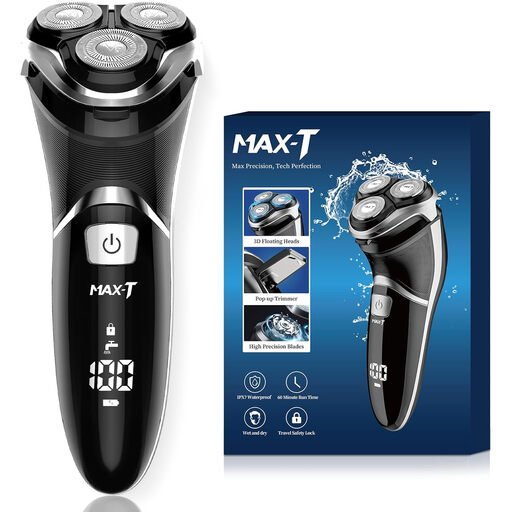
Why it suits this profile: Suitable for anyone looking for a rotary model with a trimmer, travel lock and longer stated usage time.
The specifications mention IPX7, wet and dry shaving, and cleaning under running water with the device switched off.
3D adaptive rotary head, pop-up trimmer, Type-C connector and a stated usage time of 120 minutes.

Why it suits this profile: A portable model for travellers who value a washable device and Type-C charging.
The usage instructions mention rinsing the device fully and warn that the charging port must be kept dry while charging.
Portable design, Type-C charging and a fully washable body, according to the product information.
We have put together a complete, up-to-date list of products that fully meet these strict selection criteria and the applicable European safety regulations.
Use a new device on clean, dry skin first, if permitted by the instructions. This will help you assess how the shaving head moves and how much pressure is needed. When wet shaving, only use gel or foam if the model is suitable for it.
Clean the head after every shave according to the instructions. Allow loose parts to dry completely before refitting them. Do not keep a cordless shaver permanently in a damp bathroom, and do not charge it if the cable or connector is damaged.
That depends on your skin, beard growth and shaving head. Start with light pressure and gentle movements. A rotary model is usually used in small circles, while straight movements are standard with a foil shaver. Consult the manual for the recommended method.
Its lifespan depends on charging habits, cleaning and replacing shaving components. A battery loses capacity over time. Check whether replacement shaving heads or foils are available, and replace the blades according to the maintenance instructions.
An electric shaver generally uses very little energy per charge. The actual cost depends on the battery capacity, charging frequency and local electricity price. A battery indicator can help prevent you from leaving it on charge unnecessarily long.
