
Vandaag of morgen in huis

Kwaliteit gegarandeerd

Welkomstaanbiedingen ontgrendelen: GRATIS bezorging | Tot 80% korting | Gratis 30 dagen JoyPlus-proefperiode
Download de app
An electric shaver for men can save you time, but not every model is suited to everyday use. Some are designed mainly for short stubble, while others can also tidy up a longer beard. Terms such as ‘3D’, ‘waterproof’ and ‘long battery life’ are not always used in the same way, either.
So, focus on the specific features. In practice, an expensive model without a suitable shaving head, replaceable parts or compatible charger may be less convenient than a simpler device.
An electric shaver with 3D floating shaving heads can follow the contours of your face and neck. This can be useful around the jawline and neck, but it doesn’t automatically mean that every type of hair will be cut equally close. A rotary shaver also works differently from a foil shaver.
So, check the type of shaving head:
Water resistance can mean different things. ‘Washable’ doesn’t always mean you can submerge the entire device. Check whether the specification applies only to the shaving head or to the whole body, for example.
A rating such as IPX7 indicates a certain level of protection according to the stated classification, but always follow the instructions. Don’t charge a cordless shaver near water, and don’t use it while it’s charging unless this is expressly permitted.
Long battery life sounds appealing, but charging time, the charging connector and how easy the shaver is to clean are just as important. A USB-C shaver is convenient if you already use a compatible cable or adapter. However, if a model has its own cable or a specific connector, check exactly what’s included in the box.
Also check whether replacement blades, foils or shaving heads are available. A device may suit your routine in terms of its technical features, but become less practical if replacement parts are hard to find.
A rotary model can be suitable for short beard growth and stubble. A moving or floating head can help maintain contact with the skin around your chin and neck. If you also want to tidy up your contours, sideburns or moustache, an integrated precision trimmer may be more useful.
A beard and stubble trimmer is not the same as a shaver designed to give you a close shave. So, check whether the product description refers to trimming, shaving or both.
A rechargeable shaver should clearly state how long it takes to charge and how long it can run according to the product specifications. Bear in mind that the stated maximum run time may differ from your own experience. A thicker beard, longer hairs and frequent cleaning can all affect how it performs in practice.
These features are useful when you’re travelling:
Check whether the shaving head is removable and can be cleaned under running water. If the model isn’t fully waterproof, keep the body dry. Clean sharp parts carefully and don’t use the device on irritated, sunburnt or damaged skin. Stop using it if you experience redness or discomfort.
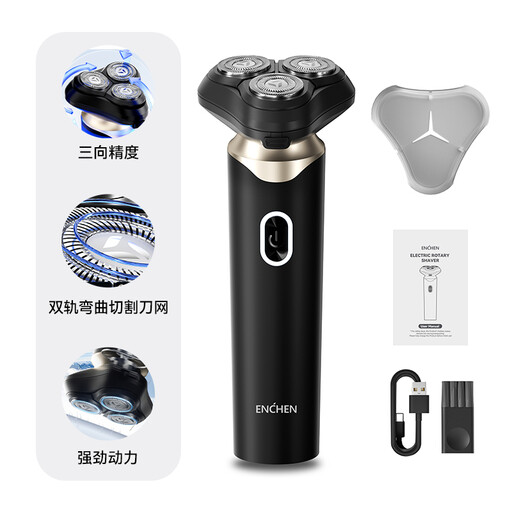
Why it suits this user: This compact rotary model is designed for beards and stubble, and uses a rechargeable lithium-ion battery with a Type-C connection, according to the product specifications.
The product information clearly states the shaving type and charging method. Its water resistance isn’t specified as allowing full submersion, so don’t assume you can use it in the shower.
Rotary shaving head; rechargeable lithium-ion battery; Type-C charging connection, according to the product description.
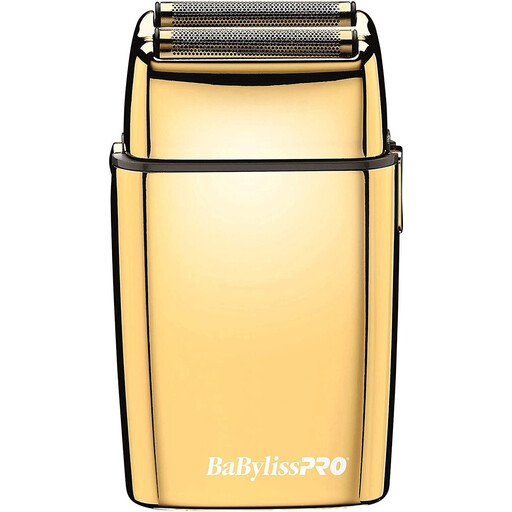
Why it suits this user: This foil shaver is designed for those who value a metal body, corded or cordless use, and a long stated run time.
The IP20 rating in the product details makes it clear that this model isn’t designed for use with water. It’s a straightforward choice if you prefer dry shaving and cleaning with a brush.
Two shaving elements; titanium blade material according to the specification; around 180 minutes to charge and a stated run time of 180 minutes.
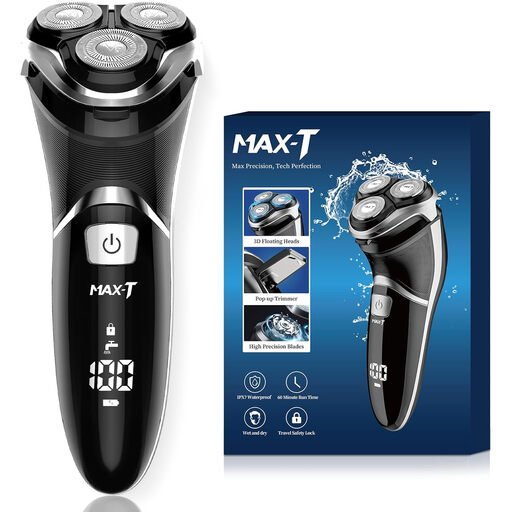
Why it suits this user: This model combines a 3D adaptive rotary head, a pop-up trimmer, USB-C according to the product title, and an IPX7 rating in the product description.
The stated IPX7 rating gives you more specific information than simply saying ‘water-resistant’. Clean the device according to the instructions, with the shaver switched off and only once charging has stopped.
3D adaptive rotary head; pop-up precision trimmer; stated charging time of around 60 minutes and run time of up to 120 minutes.
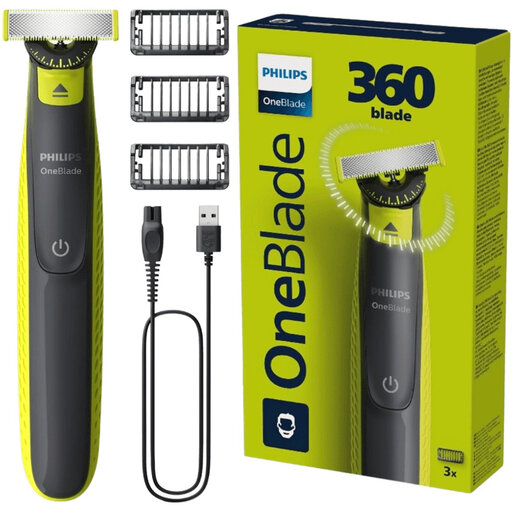
Why it suits this user: This cordless model is designed for trimming, shaving and styling facial hair, and comes with a comb attachment and USB charging cable.
The product details distinguish between a replaceable, double-sided blade and a trimming comb. This helps you choose a model for different hair lengths, rather than one designed only for a close shave.
45 minutes of stated run time; washable according to the product specification; flexible, double-sided replaceable blade.
Choose a rotary shaver if you mainly want to tidy up short beard growth and stubble, and prefer a moving shaving head. A foil shaver is more suited to dry shaving and precise, straight strokes. If you want to keep some length or shape your contours, look for a model with a comb attachment or precision trimmer.
For use at home and on the go, a low weight, cordless operation and a standard charging connector are useful. Check what’s included in the box, too: a charging cable isn’t always the same as an adapter. Keep the instruction manual and check which parts the manufacturer says can be replaced.
We’ve put together a complete, up-to-date list of products that meet these strict selection criteria and the applicable European safety requirements.
It depends on the type of shaver, your beard growth and how your skin reacts. Use the device according to the instructions, keep the shaving head clean and give your skin a rest if shaving causes discomfort. An electric shaver is especially handy for everyday use if it’s quick to use cordless and easy to clean.
Lifespan varies by model and how often you use it. Clean the head regularly, allow parts to dry thoroughly and charge the battery according to the instructions. Check in advance whether the shaving heads, foils or blades can be replaced. Battery life per charge is also different from the overall lifespan of the device.
The electricity costs of a small battery are generally low. Ongoing costs usually come from replacement shaving heads, foils, blades or trimmer attachments. So, compare more than just the purchase price: check the availability and cost of any parts you may need over time.
