
Vandaag of morgen in huis

Kwaliteit gegarandeerd

Welkomstaanbiedingen ontgrendelen: GRATIS bezorging | Tot 80% korting | Gratis 30 dagen JoyPlus-proefperiode
Download de app
Making your own mince, burgers or sausages starts with choosing the right appliance. An electric meat grinder can save time, but not every model is suited to the same quantity of meat or preparation method. Some appliances are essentially small food choppers, while others work with multiple grinding plates, a sausage stuffer and a kibbeh maker.
The product information below is based on verifiable specifications and descriptions from the manufacturer or seller. Claims about speed, capacity or operation are not a guarantee for every kitchen or preparation method.
A high wattage sounds appealing, but it does not tell you everything about the appliance’s everyday grinding capacity. Pay attention to the difference between rated power and the stated maximum or peak power. A model with 300 W and a maximum of 1200 W is not automatically more powerful during continuous use than an appliance with a steadier rated power output.
Also check the recommended operating time, cooling breaks and overheating protection. For making mince occasionally, a compact home meat grinder is often sufficient. If you want to process several kilos consecutively, you will need a different type of appliance.
A food processor with a meat-grinding function usually uses blades in a bowl. You can chop meat with it, but the texture may differ from that produced by a traditional mincer with an auger and grinding plate. A traditional electric meat grinder feeds the meat through a plate with holes, giving you greater control over the grind.
So check whether you are looking for:
A meat grinder with accessories may seem versatile, but every additional grinding plate, filling tube or cutting head needs to be cleaned after use. Check whether the parts can be removed, whether they need to be washed by hand and whether they are dishwasher-safe.
When handling raw meat, prompt cleaning is important. The motor housing must not be submerged in water. Sharp blades and grinding plates should be handled carefully and dried completely before being stored.
For a wide range of recipes, a meat grinder with multiple grinding plates is practical. Fine mince, for example, works well in a smooth filling, while a coarse grind may be better suited to burgers or certain sausage recipes. Check how many plates are included and what diameter they have.
A sausage stuffer lets you make your own sausages, but filling still requires a steady pace and some care. A kibbeh maker or kubbe attachment is designed for a specific preparation and is not a replacement for an additional grinding plate.
A 500 ml bowl is compact and suitable for small portions. For a family, a meat grinder with a larger feed tray or a food processor with a 5 to 6-litre bowl may be more convenient. However, bear in mind that the capacity of the mixing bowl is not the same as the maximum amount of meat the grinder can process.
Also measure the available space on your worktop and in your kitchen cupboards. A multifunctional food processor takes up more room, but it can also knead, mix and blend.
Look for stainless-steel components, a stable non-slip base and a safety system that locks the accessories in place. A reverse function can help clear a blockage, but switch the appliance off first as instructed in the manual.
For electrical appliances in the Netherlands, the correct voltage and a suitable plug are important. Always check the supplied manual, maximum quantities and recommended operating intervals. A CE mark alone does not mean that an appliance is suitable for every level of use.
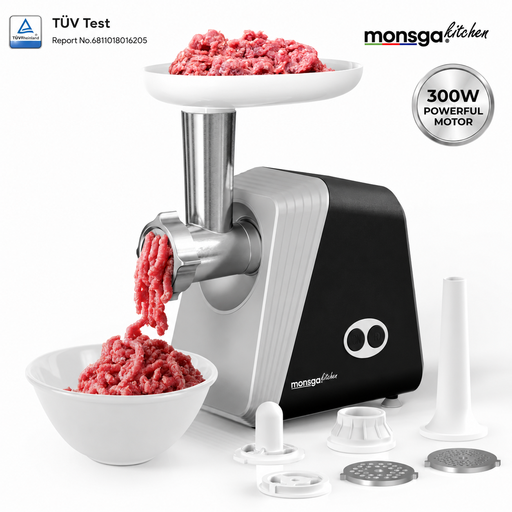
Why it suits this profile: This model combines an electric meat grinder with three grinding plates, a sausage stuffer, kibbeh attachment and biscuit maker for regular use in a home kitchen.
The three included grinding plates clearly distinguish between fine, medium and coarse grinding. The product description also mentions a reverse function and protection against overload and overheating.
Rated power of 300 W, maximum 1200 W according to the product information, three grinding plates and accessories for sausages and kibbeh. According to the description, the removable parts are cleaned by hand.
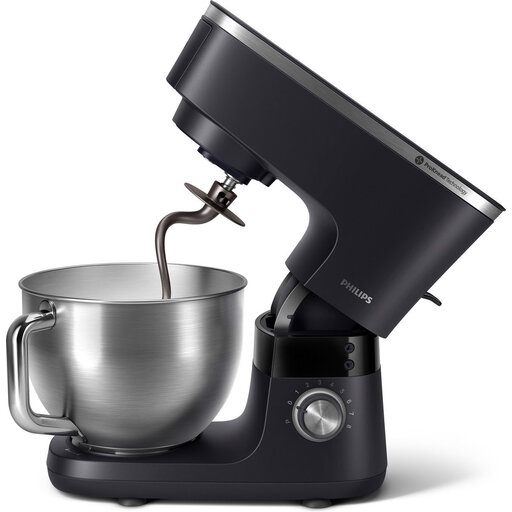
Why it suits this profile: Suitable for anyone who wants to prepare dough, sauces and smoothies as well as mince, and would rather use one fully equipped food processor.
You are not buying a standalone chopper with limited uses, but a food processor with separate blender and meat-grinder accessories. Check beforehand that the accessories you need are actually included in the packaging.
1000 W, a 5.5-litre mixing bowl, eight speeds, a 1.5-litre glass blender and an included meat grinder according to the product specifications.
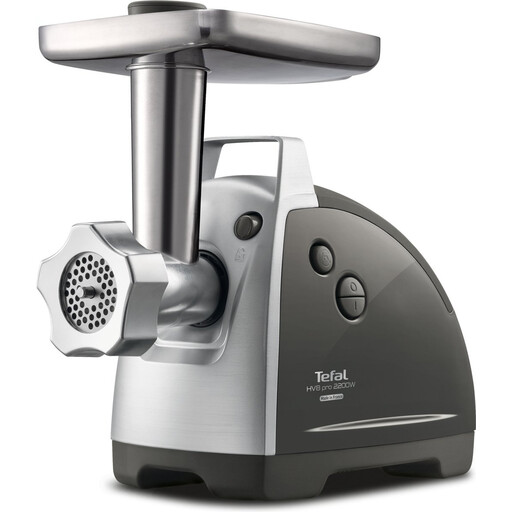
Why it suits this profile: An option for users who regularly process larger quantities and also want to grate, slice or dice ingredients.
The product information lists three grids for different textures and a safety-protected reverse system. The stated processing capacity of 4.5 kg per minute is a manufacturer’s claim; refer to the manual for the permitted load.
Stated starting power of 2200 W, three grinding grids, sausage-making accessories and additional slicing and grating functions. The description mentions integrated storage for the cord and accessories.
We have put together a complete, up-to-date list of products that fully meet these strict selection criteria and the applicable European safety regulations.
First cut the meat into smaller pieces and remove bones, tough sinews and other unsuitable parts. Chill the meat thoroughly before you begin; this helps to preserve its texture during grinding. Only use the supplied pusher to press ingredients down, and never use your fingers.
Switch off the appliance and unplug it before changing a grinding plate, blade or accessory. If a blockage occurs, only use the reverse function if the manual instructs you to do so. Wash parts that have come into contact with raw meat immediately and keep the motor unit dry.
That depends on the design and permitted operating time. A compact food chopper is suitable for small portions. For daily mince or larger quantities, choose a model with multiple grinding plates, a sturdy feed tray and clear information about overheating and cooling.
No. You need a sausage stuffer or filling tube for this. Check whether this accessory is included and whether its diameter is suitable for the sausages you want to make. A kibbeh maker is a separate attachment for a different preparation.
Power consumption depends on the wattage and operating time. An 800 W appliance running for ten minutes theoretically uses around 0.13 kWh. In practice, consumption varies depending on the load, breaks and how the appliance is used. Cleaning and wear on the blades and grinding plates are also part of the overall running costs.
