
Vandaag of morgen in huis

Kwaliteit gegarandeerd

Welkomstaanbiedingen ontgrendelen: GRATIS bezorging | Tot 80% korting | Gratis 30 dagen JoyPlus-proefperiode
Download de app
Making your own mince gives you control over the texture, ingredients and portion size. However, an electric meat grinder is not automatically right for every kitchen. A compact appliance can be handy for making a few burgers, while a more powerful grinder may be better suited to larger quantities or making sausages regularly at home.
The biggest mistake is focusing on one impressive wattage figure and ignoring the rest of the specifications. Check the grinding plates, accessories, cleaning requirements and how the appliance is designed to be used.
A high maximum power rating sounds appealing, but it does not always tell you how much meat you can process in one go. Manufacturers sometimes quote peak power, while the motor’s rated power is lower. So check:
For example, the Kenwood MG700 lists a power rating of 2000 watts and a processing capacity of up to 3 kg of meat per minute in its product description. However, the safety information also states that the appliance must not be used continuously for more than 10 minutes. This makes the operating time just as relevant as the wattage.
If you only get a fine plate, you have less control over the texture of your mince. Different textures are useful for burgers, meatballs and sauces. When choosing a meat grinder with different grinding plates, look for at least:
Check the material too. According to the product details, stainless steel grinding plates are included with products such as the Kenwood MG700, Monsga G100 and CHEFFANO MG097. This is a verifiable product specification; it does not, in itself, mean that every preparation will produce the same result.
A meat grinder with sausage stuffer is only useful if the attachments supplied fit the appliance and you can assemble them according to the instructions. If you’re buying an attachment for a stand mixer, first check that your model has the right accessory hub.
When choosing a meat grinder with accessories, look for:
A food processor with a chopping blade is also not the same as a traditional meat grinder with a feed tube and grinding plates. A mini chopper may be suitable for small portions, but it works differently and produces a different texture.
For occasional mincing, compact appliances are often sufficient, as long as you cut the meat into small pieces and avoid hard bones or unsuitable ingredients. For families or home cooks processing several kilos, motor power, a metal drive and cooling become more important.
Remember that a manufacturer’s claim should not be taken as a guaranteed result. According to Tefal’s own product description, the HV8 NE6888 can process up to 4.5 kg of meat per minute and has a starting power of 2200 watts. The actual speed depends on factors including the type of meat, preparation and conditions of use.
A generous feed tray means you need to top up the ingredients less often. According to the product details, the KitchenAid 5KSMMGA has a large feed tray and fine, medium and coarse grinding plates. This model is an attachment for compatible KitchenAid mixers, not a standalone electric meat grinder. That distinction matters when comparing products.
A standalone meat grinder usually takes up more space, but works independently of a food mixer. A food mixer with meat grinder attachment may save storage space if you also want to knead dough, mix or blend. On the other hand, you’ll need to store one larger appliance and clean several components.
Raw meat needs to be handled carefully. After use, unplug the appliance, dismantle the parts according to the instructions and wash the parts that come into contact with food in warm, soapy water. Dry everything thoroughly before putting it away. Never immerse the motor housing in water.
The Monsga G100 instructions explicitly state that the blade, grinding plates, grinding head, feed tray and sausage accessories must be hand-washed after every use. Always check the appliance’s own instructions before putting any parts in the dishwasher. It’s best to hold sharp blades and plates by their non-cutting edges.
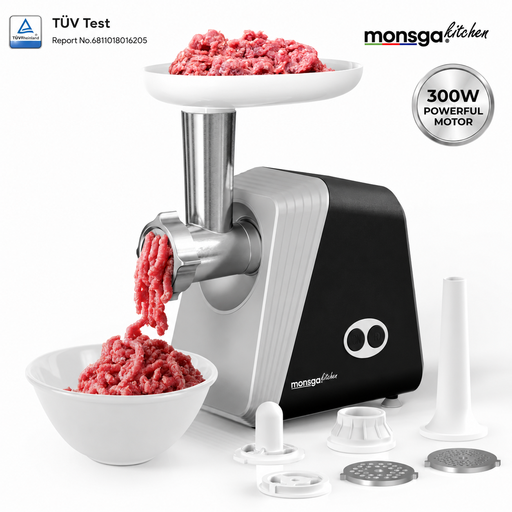
Why it suits this type of user: This compact model is designed for home use and combines mincing with sausage and kibbeh attachments. The three grinding plates let you try different textures.
The product details list three cutting plates, a reverse function, and overload and overheating protection. Check the operating time in the supplied instructions.
Up to 1200 watts of maximum power according to the product description, three grinding plates and attachments for sausage and kibbeh.
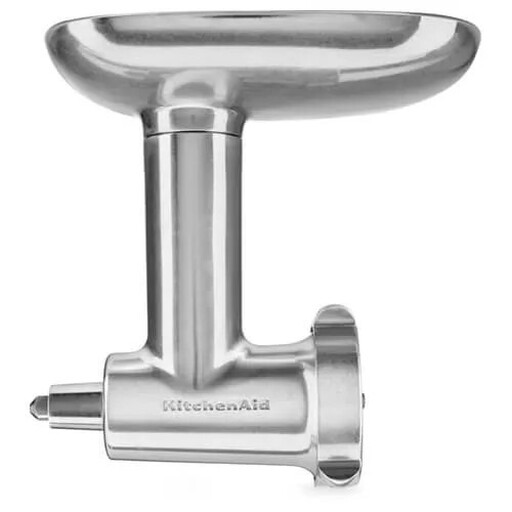
Why it suits this type of user: This metal grinding attachment adds extra functionality to a compatible KitchenAid mixer. It’s a good fit for people who already own a compatible food mixer and don’t want to buy a second motor unit.
The product description lists fine, medium and coarse grinding plates, plus two sausage-stuffing tubes. Check beforehand that your mixer has the required accessory hub.
Metal construction, a large feed tray and a stated capacity of 5 kilograms according to the product specifications.
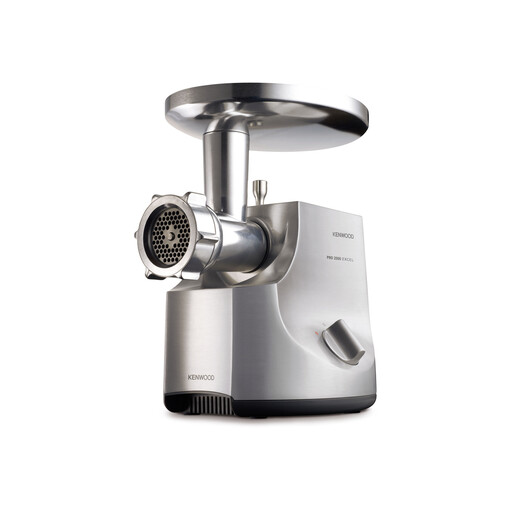
Why it suits this type of user: This is a standalone meat grinder with three stainless steel grinding plates and accessories for sausage and kibbeh. It’s a good match for larger households and frequent meal preparation.
The set includes three grinding plates, a pusher and separate sausage and kebbe attachments. The instructions also specify a maximum continuous operating time of 10 minutes.
2000 watts according to the product details, a metal housing, three textures and accessories for a range of preparations.
We’ve put together a complete, up-to-date list of products that meet these strict selection criteria and current European safety regulations.
That depends on the model and the quantity you need to process. Don’t just look at the power rating; check the maximum operating time, breaks between batches and overheating protection too. For everyday use, a model with suitable capacity and accessories that are easy to find is more practical than an appliance that only quotes a high peak power rating.
Cut the meat into pieces that fit through the feed opening and remove any bones and hard pieces. Always use the supplied pusher, never your fingers. Switch off the appliance and unplug it before clearing a blockage or changing attachments. Keep raw meat chilled and clean all parts that come into contact with it straight after use.
Electricity use depends on the actual power and how long the appliance runs. A 2000-watt appliance running for five minutes uses approximately 0.167 kWh in theory. In practice, you’ll often switch the appliance off between tasks, and the load also affects consumption. So compare more than just the wattage: consider how much meat you want to process in each session too.
