
Vandaag of morgen in huis

Kwaliteit gegarandeerd

Welkomstaanbiedingen ontgrendelen: GRATIS bezorging | Tot 80% korting | Gratis 30 dagen JoyPlus-proefperiode
Download de app
An electric food chopper can take a lot of the chopping out of kitchen prep. Onions, herbs, nuts, vegetables, sauces and sometimes meat can all be processed more quickly than with a knife. However, food choppers vary considerably in capacity, power, blade design and ease of cleaning.
A model that’s suitable for pesto or baby food isn’t automatically a good electric meat mincer. And a powerful mincer is less useful if you only want to chop small amounts of herbs. So don’t focus solely on wattage or the number of functions. Consider how you’ll use it, what it’s made from and how easy it is to maintain.
A high maximum power rating sounds appealing, but it doesn’t tell you everything about performance. Some manufacturers quote peak power, while the motor’s rated power is lower. According to Monsga’s own information, for example, the G100 has a motor power of 300 watts and a maximum power of up to 1200 watts. These are different figures.
Also check:
A compact mini chopper is often enough for soft vegetables. For raw meat, hard nuts or larger portions, a stable drive and the right accessories matter more than a high number on the packaging.
The capacity shown on the packaging isn’t always the same as the amount you can use in practice. A 500 ml bowl may be suitable for a small portion of onion, herbs or sauce, but less convenient for a family.
Check the difference between:
A food chopper with a glass bowl is handy if you want to see the texture as you work and minimise odours or stains. Glass is heavier, though, and can break if knocked hard or exposed to a sudden change in temperature.
An appliance with lots of accessories can be versatile, but it may also have more parts to clean. Check whether the blades, bowls and lids can be removed, and whether the manual says they’re dishwasher-safe.
The motor housing should never go under the tap. If you’ve been handling raw meat, clean the bowl, blades and any other parts that have come into contact with it thoroughly and straight away. Be careful of sharp cutting edges, too: always unplug the appliance before taking it apart or cleaning it.
For everyday chopping of vegetables, herbs and soft ingredients, models of around 200 to 500 watts are often practical. A food processor with more power and multiple speed settings is better suited to larger quantities, slicing, grating and puréeing.
A pulse function gives you more control over the texture. This is useful for salsa, nuts, mince and hummus. An appliance with a single push-button is simpler to use, but gives you less control over the final texture.
A standard food chopper usually has a universal stainless steel blade. A meat mincer often uses an auger, a blade and mincing discs. Fine, medium and coarse discs produce different textures for dishes such as meatballs, burgers or sausages.
If you want a chopper for meat and vegetables, check that the manufacturer lists both uses. Don’t use an appliance for bones, hard skins or other ingredients not mentioned in the manual.
A plastic bowl is lightweight and often easy to store. Glass is heavier, but according to product descriptions from various brands, it’s less likely to absorb odours and stains. Stainless steel is durable and suitable for more intensive kitchen use, but you won’t be able to see the contents while chopping.
For one or two people, 500 to 830 ml may be enough. Families will usually find around 1 to 2 litres more useful, as long as the motor and blades are suitable for that capacity.
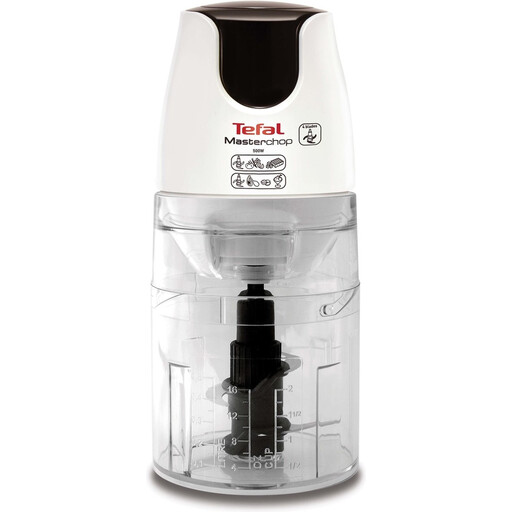
Why it suits this type of user: A straightforward choice for small everyday prep tasks such as chopping onions and herbs, and making sauces and baby food.
The capacity, power and controls are clearly described. According to the product information, the bowl and blades are dishwasher-safe.
500 watts, a stainless steel blade and a leak-proof bowl for solid ingredients and liquid mixtures.
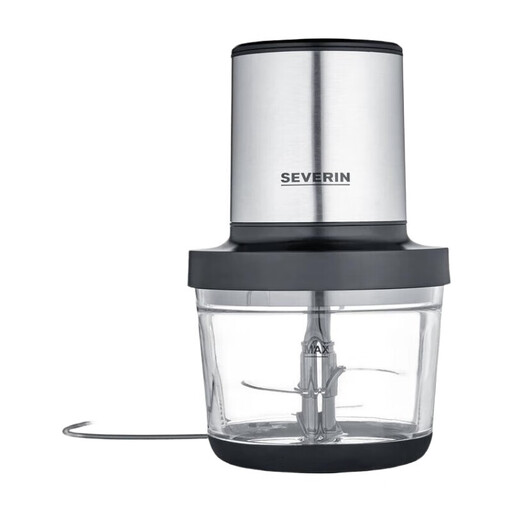
Why it suits this type of user: The 1000 ml glass bowl lets you see the results and gives you room to prepare larger portions.
The bowl capacity and material are clearly specified. The pulse function helps you avoid chopping for longer than necessary.
400 watts, a 1-litre glass bowl and stainless steel blades; according to the product information, it’s suitable for vegetables, herbs, nuts and meat, among other ingredients.
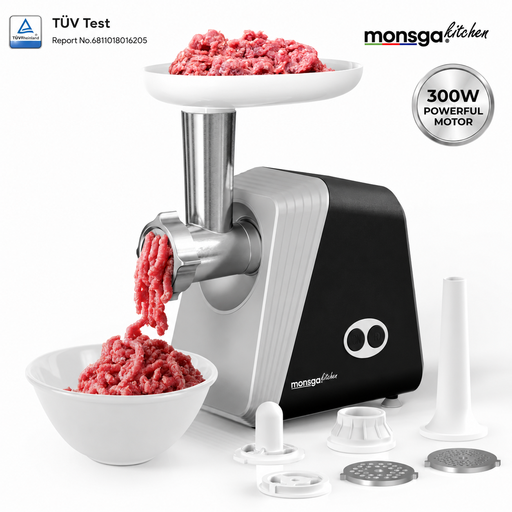
Why it suits this type of user: Designed for people who regularly want to mince raw meat and also prepare sausages, kibbeh or mince with different textures.
This is a meat mincer with three mincing discs, not just a universal chopping blade. You can choose the texture you want in advance.
Fine, medium and coarse mincing discs, plus accessories for sausages and kibbeh; the manufacturer also lists overload and overheating protection.
Cut large ingredients into smaller pieces first. Remove bones, stones and hard skins if the manual instructs you to. Don’t fill the bowl above the stated limit, and use short pulses for tougher ingredients. If you’re using a food processor’s chopping function, it’s a good idea to let the motor cool between demanding cycles.
Also bear these points in mind:
A multi-function food processor can be useful if you also want to slice, grate, knead or blend. A compact vegetable chopper makes more sense if you’re mainly looking to prepare small portions quickly. Make a note of the ingredients you use most often before you buy, so you don’t pay for functions you’re unlikely to use.
We’ve put together a full, up-to-date list of products that meet these strict selection criteria and the current European safety regulations.
It depends on the model. According to the product description, a standard mini chopper can sometimes process small quantities of meat, but an electric meat mincer with mincing discs is specifically designed for the job. Always check the manual and remove bones and hard parts.
Around 200 to 500 watts can be practical for herbs, onions and soft vegetables. For larger quantities, harder ingredients or meat, the motor design, pulse control, blades and permitted running time are just as important as the wattage.
The cost depends on the power rating and how long you use it. A 500-watt appliance running for five minutes theoretically uses around 0,042 kWh. In practice, a food chopper usually runs in short pulses, so the energy used per preparation is limited. Check the current electricity price and the instructions for your model.
