
Vandaag of morgen in huis

Kwaliteit gegarandeerd

Welkomstaanbiedingen ontgrendelen: GRATIS bezorging | Tot 80% korting | Gratis 30 dagen JoyPlus-proefperiode
Download de app
Choosing a new kitchen appliance often seems straightforward: look at the power rating, the number of programmes and the price. Yet electrical kitchen appliances can disappoint in practice. A multicooker that turns out to be too small, an induction hob that does not work with your pans or an oven that does not fit the housing can quickly lead to extra costs.
Pay particular attention to these three common pitfalls:
Choose the capacity based on the number of people eating and the space available.
For ovens, also check the housing dimensions. A built-in oven approximately 60 cm wide will only fit if the kitchen housing is suitable. A freestanding oven offers greater flexibility, but takes up space on the worktop or in a kitchen unit.
The wattage indicates how quickly an appliance heats up, but it does not, on its own, determine cooking quality. A 600-watt mini cooking pot can heat water quickly because it has a small capacity. A 2000-watt induction hob is suitable for boiling, frying and hotpot cooking, but only works with magnetic pans.
Bear the following in mind:
Look for specific features such as dry-boil protection, automatic switch-off, overheating protection and a child lock. These features help reduce certain risks, but do not replace supervision.
Never force open the lid of a pressure cooker or an electric cooking pot with a pressure function. Wait until the pressure has been released as instructed in the manual. Do not fill the appliance above the indicated marking and leave extra room when cooking ingredients that expand, such as grains and pulses.
A glass kettle makes the water level visible and is generally easy to wipe clean. A so-called health kettle with temperature programmes or tea settings can be useful for preparing different drinks. However, you should not interpret the term “healthy” as indicating a medical effect. According to Bear’s product description, the model has several cooking programmes; this says nothing about health outcomes.

Why it suits this profile: This portable induction hob is useful in a small kitchen, student accommodation or as an additional cooking zone. Its ten power levels provide more control than a basic on/off hob.
The product description mentions dry-boil protection and a child lock. However, check that your pans have a magnetic base; aluminium and ceramic pans without a magnetic base will not work.
2000 watts, ten power levels, six pre-programmed functions and a slim glass surface that can be cleaned with a damp cloth.
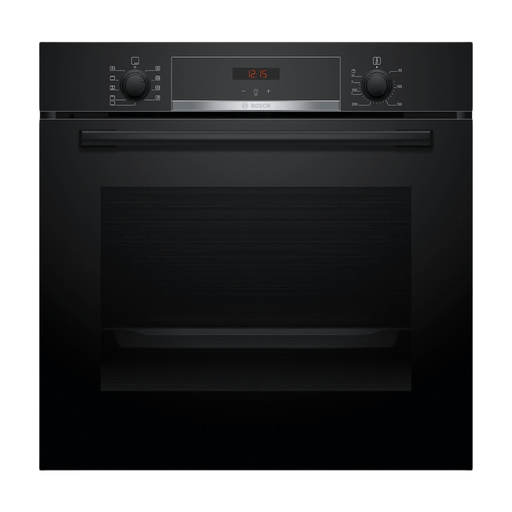
Why it suits this profile: This built-in oven is designed for households that regularly bake and roast and want a permanent oven solution with a generous capacity.
The product specifications state the required housing width and depth. Measure your kitchen before purchasing. According to the description, EcoClean Direct reduces the cleaning required, but manual cleaning is still necessary.
71-litre capacity, 3D Hot Air, a maximum temperature of 275 °C and a stated energy rating of A+.

Why it suits this profile: The 6-litre capacity is designed for larger portions. It suits families and users who want to combine stewing, steaming and cooking in one appliance.
The product information mentions a stainless-steel inner pot and a removable non-stick pot. When using pressure cooking, the fill markings and safe pressure release remain crucial.
6-litre capacity, 1000 watts, fourteen cooking functions and automatic keep-warm. The claim of a shorter cooking time comes from Midea’s product description.

Why it suits this profile: This mini cooking pot is designed for students, single people and couples with limited worktop and storage space. Noodles, soup and small stews are well suited to its capacity.
The limited capacity prevents you from buying a large appliance for small portions. Automatic switch-off and dry-boil protection are listed in the product information; supervision is still required during use.
1.6 litres, 600 watts, a non-stick coating, compact design and simple controls with several cooking options.
We have compiled a complete, up-to-date list of products that fully meet these strict selection criteria and the applicable European safety regulations.
A portable induction hob, mini cooking pot, glass kettle or egg cooker takes up relatively little space. Ideally, choose appliances with a detachable cord, compact storage or stackable components. Measure your worktop and cupboards before ordering.
Consumption depends on the wattage and how long the appliance is used. A 1000-watt appliance running for half an hour theoretically uses 0.5 kWh. A higher wattage does not necessarily cost more to run if it means the appliance is switched on for less time. Therefore, consider both the wattage and the cooking time.
Lifespan varies depending on the appliance, frequency of use and maintenance. Allow an appliance to cool down before cleaning it, prevent limescale build-up in a kettle and avoid damaging the non-stick coating. Also check the cord, plug, lid and seals regularly. If an electrical appliance is faulty, replacing damaged components is safer than attempting to repair it yourself.
