
Vandaag of morgen in huis

Kwaliteit gegarandeerd

Welkomstaanbiedingen ontgrendelen: GRATIS bezorging | Tot 80% korting | Gratis 30 dagen JoyPlus-proefperiode
Download de app
Choosing a new electrical cooking appliance may seem straightforward at first glance. Yet many households end up buying a model that is unsuitable for their kitchen, cookware or cooking routine. A high wattage, for example, does not automatically mean lower energy costs or better cooking results. A large capacity is not always convenient either when the appliance sits on a small worktop every day.
In this guide from the Joybuy Product Recommendation Officer, we outline the key points to consider. This allows you to compare electrical cooking appliances based on verifiable specifications rather than marketing copy alone.
A 2,000-watt appliance can heat up quickly, but it also uses more power during operation than a 600- or 1,000-watt model. The actual cost depends on how long it is used, the setting selected and the type of cooking. A lower power level is often enough for soup or slow cooking, while higher power can be useful for boiling quickly or stir-frying.
As well as wattage, compare the timer, heat settings and automatic switch-off function. A cooking appliance with a timer can prevent it from being left on unnecessarily.
An induction hob only works properly with suitable magnetic cookware, such as pans with an iron or magnetic base. Aluminium or some ceramic pans may not be detected. A ceramic hob heats the glass surface itself, making it suitable for a wider range of pans, but the surface stays hot for longer after use.
So first check which pans you already own. A freestanding electric hob is useful as a temporary or additional cooking zone, but it needs space for ventilation and a stable surface.
For a built-in model, it is not just the external dimensions that need to be right; the cut-out dimensions are especially important. Check the width, depth and ventilation space in the manual. An electric hob or oven with a high connected load may also have implications for your consumer unit. Have fixed connections and built-in appliances connected by a qualified installer in accordance with the instructions.
Compact appliances for one or two people often have a rating of around 600 to 1,000 watts. An electric cooking pot with a capacity of 1.2 to 1.6 litres is suitable for ramen, soup, porridge or a small hotpot. Larger appliances, such as an electric steamer or multicooker for several people, may use 1,500 to 2,000 watts.
A hob with several zones requires more careful consideration. The Ciarra ceramic hob, for example, has a total power rating of 3,000 watts, while the Wiggo induction hob uses 7,200 watts according to the product specifications. With models like these, check the connection, fuse and installation requirements.
Match the capacity to the number of diners:
Also consider storage. A detachable cable, stackable parts or a folding handle can make a big difference in a small kitchen.
Useful features include:
A non-stick cooking appliance requires careful maintenance. Use wooden or silicone utensils and avoid abrasive sponges. The electrical base, plug and connection must not be immersed in water. A glass lid can become hot during use and should be handled carefully afterwards.

Why it suits this profile: This compact model is suitable as an additional cooking zone, for students or in a temporary kitchen. The touch controls and 10 heat settings make it easy to operate.
The product specifications clearly state 2,000 watts, 10 settings and compatibility with magnetic cookware. Check pan compatibility before buying.
10 power settings, six pre-programmed functions, child lock and boil-dry protection.
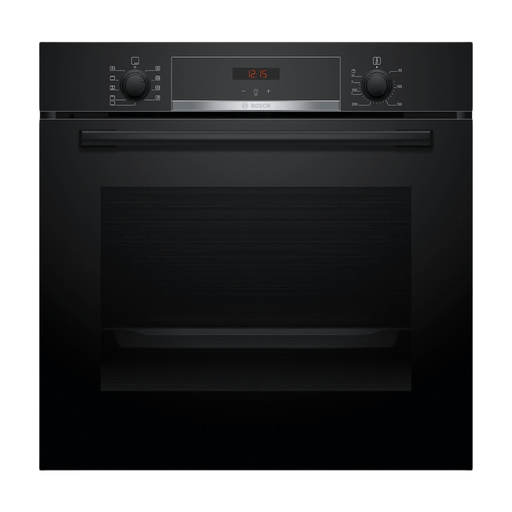
Why it suits this profile: This built-in oven is designed for a fitted kitchen and offers a 71-litre capacity, 3D hot air and a maximum temperature of 275 °C.
The stated cut-out dimensions are 56.8 cm wide and 55 cm deep. This means you can check the installation space in advance instead of relying solely on the external dimensions.
71 litres, 3D Hot Air, EcoClean Direct and energy class A+ according to the product information.
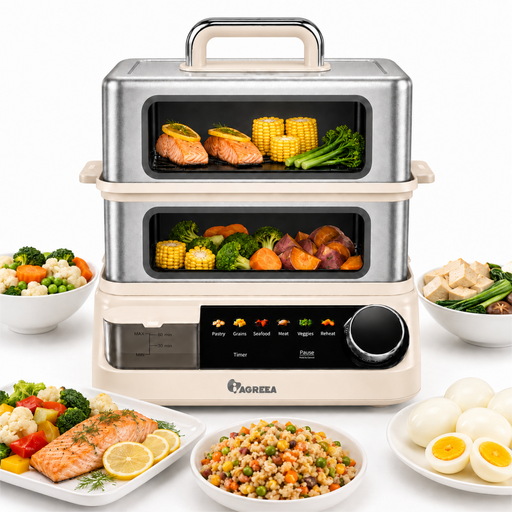
Why it suits this profile: The two steaming tiers are suitable for families who want to cook vegetables, fish, meat or other ingredients at the same time without mixing them together.
The visible 2.5-litre external water tank can be refilled without repeatedly removing the steaming tiers. This makes extended steaming more convenient.
14-litre capacity, 2,000 watts, two stainless-steel trays and six programmes with timer.
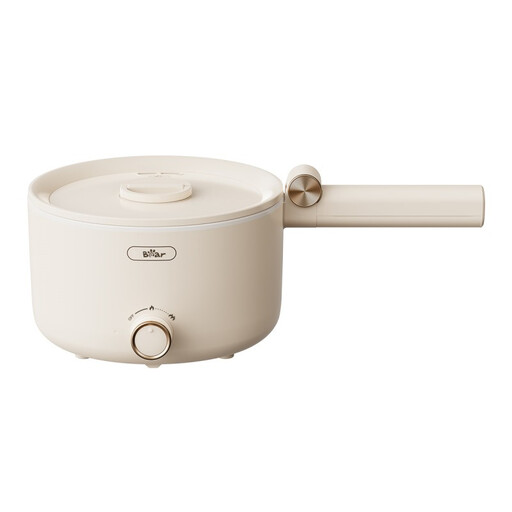
Why it suits this profile: With a 1.6-litre capacity and compact dimensions, this pot is aimed at one or two people, students and small kitchens.
The capacity and dimensions are clearly stated. This helps prevent you from buying a large appliance for portions you rarely make.
Power range from 800 to 950 watts, non-stick coating, two settings, automatic switch-off and boil-dry protection.
We have put together a complete, up-to-date list of products that fully meet these strict selection criteria and the applicable European safety regulations.
It depends on the power rating and how long the appliance is used. A 2,000-watt appliance uses more electricity per hour than an 800-watt model when both operate continuously at maximum power. In practice, thermostats and heat settings regularly reduce the power supplied to the heating element. So compare the wattage with your cooking habits and use a timer.
No. An induction hob requires a magnetic base. Test this by holding a magnet against the underside of the pan. If the magnet stays firmly in place, the pan will generally be suitable. Also check the recommended pan diameter in the manual.
Its lifespan depends on the materials, maintenance and how it is used. Do not heat an appliance when it is empty or unattended, keep ventilation openings clear and do not use abrasive products on a non-stick coating or glass surface. If the cable is damaged, the hob is cracked or a safety feature is faulty, stop using the appliance. The statutory guarantee and any additional manufacturer’s warranty are listed with the product.
