
Vandaag of morgen in huis

Kwaliteit gegarandeerd

Welkomstaanbiedingen ontgrendelen: GRATIS bezorging | Tot 80% korting | Gratis 30 dagen JoyPlus-proefperiode
Download de app
An electric toothbrush and water flosser can make your daily oral care routine simpler. Yet sometimes you end up paying mainly for a striking design, a long list of brushing modes, or a marketing claim that says little about everyday use. The right choice depends on your brushing habits, sensitivity, household situation, and need for portability.
A sonic toothbrush might claim 40,000 or 62,000 movements per minute, for example. That figure doesn’t tell you how comfortable the device feels in your hand, how much noise it makes, or how easily you can maintain a consistent brushing technique. A rotating Oral-B electric toothbrush also uses a different motion than a sonic model from Philips Sonicare. So don’t just compare numbers — also look at whether it has a timer, pressure sensor, and suitable brush heads.
A rating such as IPX7 or IPX6 describes the level of water protection according to the product specification. The classification doesn’t mean you can use the device while it’s plugged in. With a cordless water flosser, always dry the charging port completely before connecting USB-C. Also check whether the charger is suitable for use in a British bathroom and follow the instruction manual.
A UV toothbrush holder may combine UVA and UVC technology with drying or ventilation. Claims about a specific disinfection percentage come from the brand’s or manufacturer’s product information and are not a guarantee for every usage situation. The effectiveness depends on factors such as placement, whether the device is closed properly, and keeping the holder clean. So treat a UV holder mainly as an organised storage solution, not as a replacement for cleaning and regularly replacing brush heads.
A toothbrush with a timer helps you stick to the recommended brushing time. A 30-second interval signal can indicate when to move to another section of your mouth. A toothbrush with a pressure sensor typically gives a light signal, vibration, or speed reduction when you press too hard. This is especially useful for beginners and people who want to brush more gently.
Also pay attention to the available intensities. Sensitive mouths can benefit from a gentle mode, but if pain or bleeding persists, it’s wise to consult a dentist. Product features are not a medical treatment.
If you’re looking to buy a water flosser, it’s worth comparing the reservoir capacity. A compact reservoir of around 260 ml saves space but may need refilling mid-session. A model with 300 ml or more offers enough water for a full session. A larger tank does make the device less compact.
Also consider:
A portable water flosser is handy for holidays or a small bathroom. For daily use by several family members, a larger model with separate nozzles may be more practical.
Check in advance which replacement brush heads are available and how often the manufacturer recommends replacing them. In the product information provided, several Oral-B and Philips models suggest replacement around three months, or sooner if the bristles are worn. A cheap handle can therefore become more expensive over time if replacement heads are scarce or pricey.
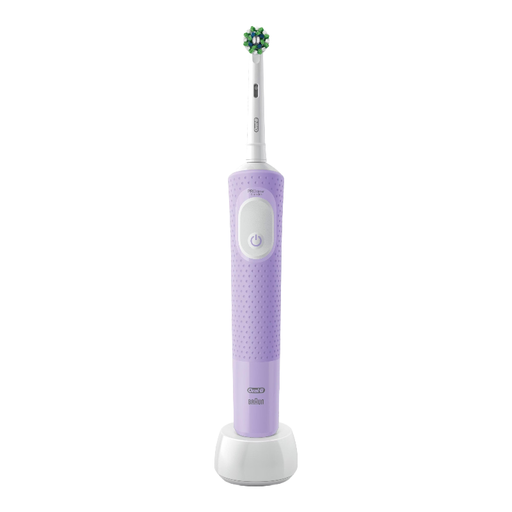
Why this fits the profile: A straightforward model for adults who want to buy an electric toothbrush without needing lots of settings. The Sensitive mode, timer and charging indicator are clearly described in the product information.
No unnecessarily extensive feature list: the product description mentions a fixed Sensitive mode and a built-in timer. Do check the price and availability of replacement brush heads.
Oscillating technology, Sensitive programme, timer, charging indicator and charging station according to the product data.
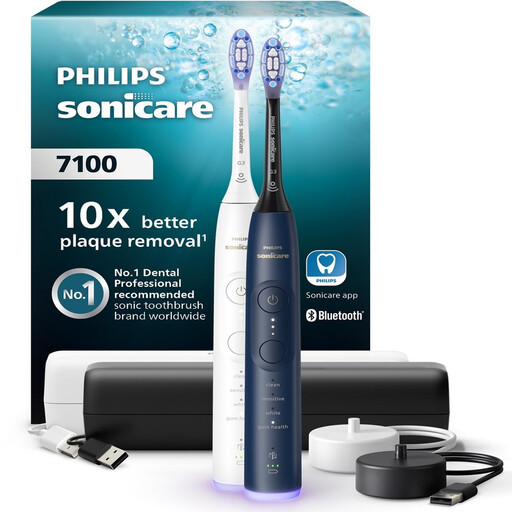
Why this fits the profile: The set includes two handles and a travel case, making it suitable for couples or households where travel is common.
The pressure sensor and three intensities make the brushing settings more concrete than just a high number of movements per minute. According to Philips, the app can show missed areas; this is a brand claim, not an independent guarantee.
Two handles, four brushing modes, three intensities, pressure sensor, timer and travel case according to the product description.
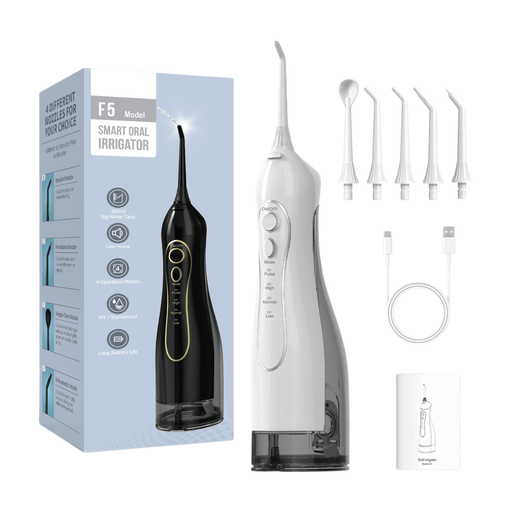
Why this fits the profile: Suitable for users looking for a portable water flosser with multiple pressure settings, a larger reservoir and nozzles for orthodontic use, among others.
The product data lists five pressure modes and a removable 300 ml tank. If you have sensitive gums, always start on a low setting and clean the tank and nozzles after use.
Five pressure modes, 300 ml reservoir, 360° rotating nozzle, IPX7 rating and a stated battery life of up to 40 days.
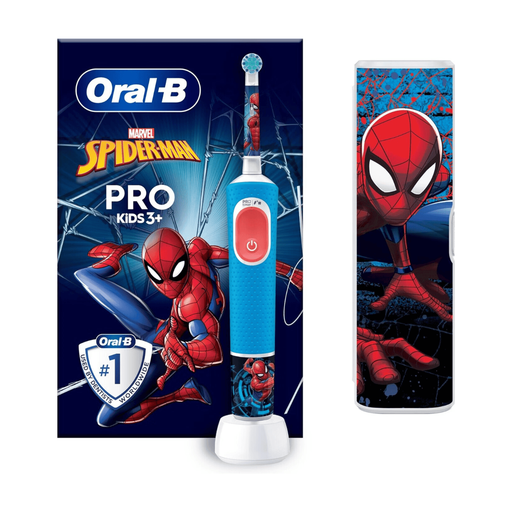
Why this fits the profile: According to the product information, this model is intended for children aged 3 and over and features a Sensitive Clean brush head, timer and visible pressure sensor. Use under adult supervision.
The age recommendation, extra-soft bristles and 30-second interval make the choice more verifiable than just a children’s design. Check the brush head regularly and replace it according to the instructions.
Suitable from age 3 according to the product description, Sensitive Clean brush head, pressure sensor, 2-minute timer and battery life of up to 8 days.
We’ve put together a full, up-to-date list of products that fully meet these strict selection criteria and comply with current European safety regulations.
No. A water flosser targets the spaces between teeth and along the gum line, while a toothbrush cleans the tooth surfaces. Use both according to the instruction manual and ask your dentist for advice if you have braces, an implant or persistent discomfort.
That depends on the battery type, usage time and model. The stated values vary widely: some models claim around eight days, while portable flossers can indicate several weeks. Treat the battery life as a guideline and charge before the battery is completely empty.
In addition to the purchase price, you pay for brush heads, nozzles and possibly a new charging cable or battery. So compare the price and availability of replacement parts before you order an electric toothbrush and water flosser. That way you avoid an attractive offer turning out to be less practical later on.
