
Vandaag of morgen in huis

Kwaliteit gegarandeerd

Welkomstaanbiedingen ontgrendelen: GRATIS bezorging | Tot 80% korting | Gratis 30 dagen JoyPlus-proefperiode
Download de app
An electric toothbrush can make brushing easier, but an expensive model is not automatically the right choice for your teeth or daily routine. Many buyers focus mainly on the number of vibrations, smart features or a well-known brand name. As a result, practical points such as the pressure sensor, replacement brush heads and charging options can sometimes be overlooked.
The main pitfalls are:
A sonic toothbrush moves the bristles rapidly back and forth. A rotating model, such as certain Oral-B iO models, uses a round brush head with rotating and pulsating movements. Both systems require a different brushing technique: place the brush gently against the surface of the tooth and avoid vigorous scrubbing.
For everyday use, a standard cleaning mode and a gentle mode are often sufficient. If you have sensitive gums, look for an electric toothbrush with multiple brushing modes, including Sensitive or Gum Care. A White or Whitening mode is intended as a brushing programme; claims about removing discolouration should not be presented as having a medical effect.
A toothbrush with a pressure sensor warns you when you are pressing too hard. Some models then automatically reduce the intensity or display a light signal. This can be useful for people who are used to brushing firmly or who have sensitive gums.
An electric toothbrush with a timer usually divides the recommended brushing time into four 30-second intervals. This helps you give attention to all areas of your mouth. Check whether the timer stops after two minutes or simply provides a signal.
A rechargeable toothbrush is convenient for everyday use, but battery life varies considerably between models. The Philips Sonicare Series 3100 states up to 14 days of use. According to the product description, the usmile Y10 states up to 180 days. BAIR CARE models are listed with a battery life of up to 100 or 180 days. These are the manufacturer’s product specifications; actual battery life depends on brushing frequency, intensity and charge level.
Also pay attention to:
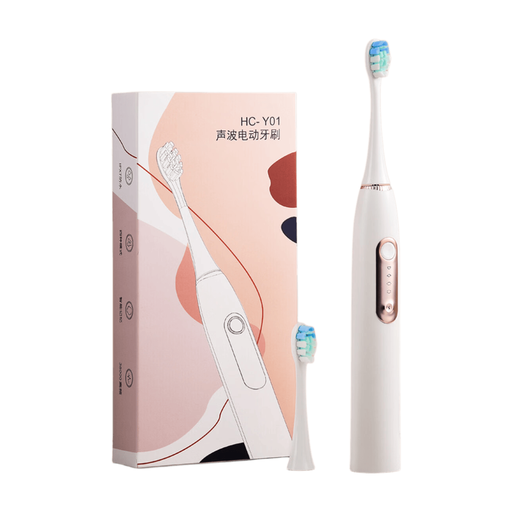
Why it suits this profile: This model combines Type-C charging with simple controls and a 2-minute timer. It is therefore a straightforward choice for anyone switching from manual brushing.
The product information states that it has a timer with 30-second intervals and IPX7 water resistance. The charging port must be completely dry before charging.
40,000 movements per minute according to the product description; Type-C cable and 2-minute timer.
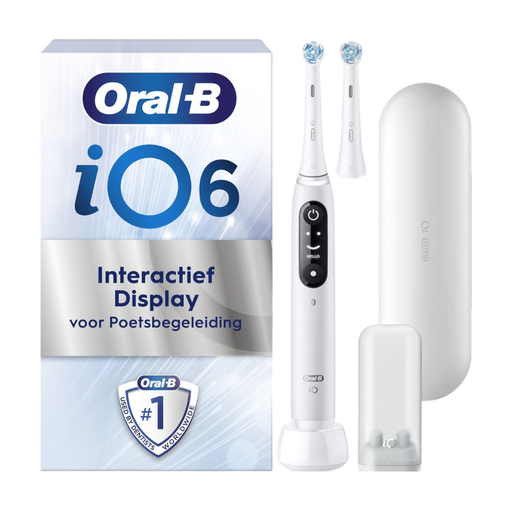
Why it suits this profile: The Oral-B iO 6N is aimed at users who value feedback, multiple programmes and a round brush head.
According to Oral-B, the built-in pressure sensor indicates whether you are brushing too hard, too gently or with the right amount of pressure. This means you do not have to focus solely on a high number of movements.
5 brushing modes, pressure control, display, travel case and two brush heads included according to the product details.
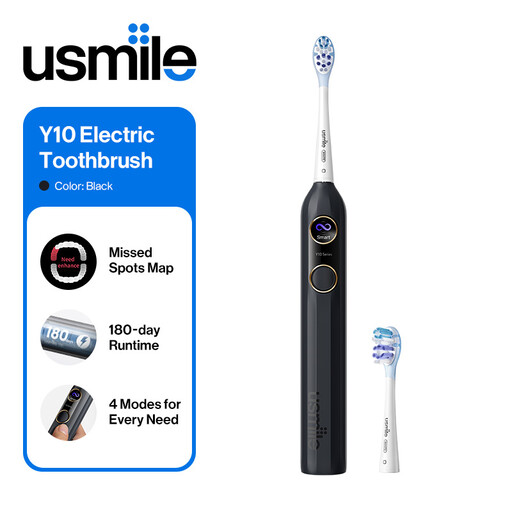
Why it suits this profile: The Y10 is designed for users who want to combine visual feedback, long battery life and different brushing programmes.
The product description states that it provides a pressure warning and automatically reduces the vibration when too much pressure is applied. The USB-C port must be completely dry before charging.
Up to 180 days of battery life according to the manufacturer; four modes, smart screen, timer and IPX7 water resistance.
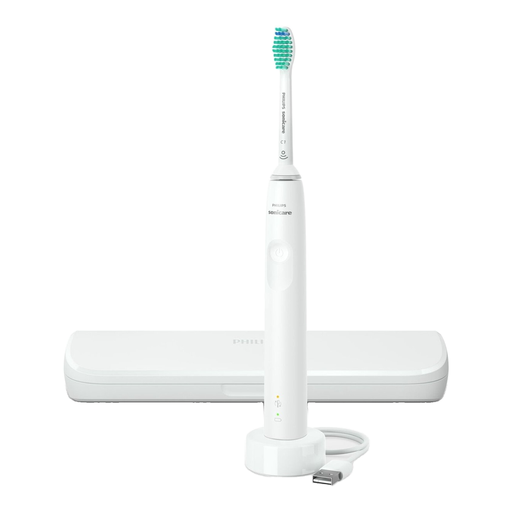
Why it suits this profile: This model is suitable for adults looking for a simple sonic toothbrush with pressure control, a travel case and a USB charging station.
According to Philips, the model has a pressure sensor, Smartimer and QuadPacer. According to the product information, the Easy-Start function gradually increases the brushing intensity.
31,000 movements per minute, up to 14 days of battery life and a compact USB charging solution according to Philips.
We have compiled a complete, up-to-date list of products that fully meet these strict selection criteria and the applicable European safety regulations.
Its lifespan depends on the battery, motor, charging accessories and maintenance. Keep the handle clean, avoid damaging the brush head and follow the charging and safety instructions. Replace the brush head according to the manufacturer’s guidance, often after around three months.
It can be, provided the model has a gentle mode and pressure sensor. Start at a low intensity and use very little pressure. An electric toothbrush is not a substitute for personal advice if you experience pain, bleeding gums or other persistent problems.
Besides the purchase price, you mainly pay for replacement brush heads and possibly a new charging accessory. To calculate the annual cost, consider the number of users, the recommended replacement interval and the price of compatible brush heads.
