
Vandaag of morgen in huis

Kwaliteit gegarandeerd

Welkomstaanbiedingen ontgrendelen: GRATIS bezorging | Tot 80% korting | Gratis 30 dagen JoyPlus-proefperiode
Download de app
Buying an electric toothbrush seems like a simple step towards better oral care. However, the market is filled with marketing claims and features that often cost more than they're worth. Before you invest in a new model, it's wise to know what to look for. We'll outline the most common pitfalls and help you choose a model that suits both your dental needs and your budget.
Many people pay too much for features they don't use or face unexpected costs down the line. These are the three main points to watch out for:
Focus on the specifications that directly contribute to cleaner teeth and a better brushing experience.
The choice between these two technologies is personal and determines how the toothbrush feels and cleans.
Don't be distracted by gimmicks; instead, look for these practical features:
Below are some popular choices, matched to different user profiles.
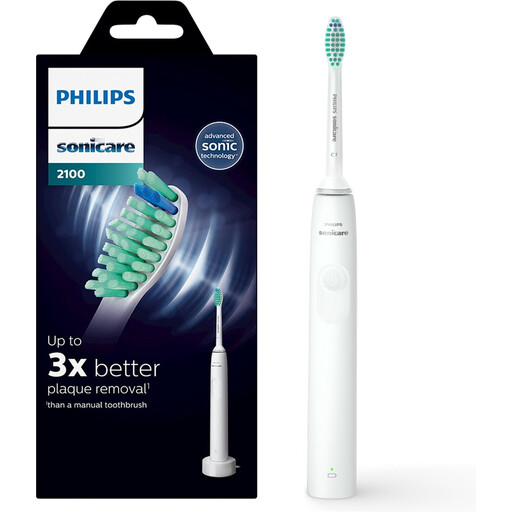
Why This Fits Their Persona: Ideal for those switching from a manual toothbrush. This model offers the proven sonic technology of a top brand without the complexity and cost of high-end variants.
This model avoids the 'smart feature trap' by focusing on the essentials: effective cleaning with a built-in timer and a long battery life.
Reliable sonic toothbrush technology and a battery that lasts up to two weeks. The universal USB charger is a practical addition.
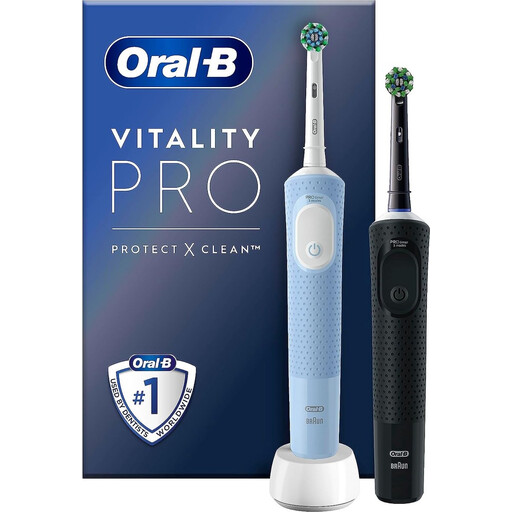
Why This Fits Their Persona: This set is ideal for households or individuals looking for a gentle yet thorough clean. The specialised brushing modes are designed to protect sensitive gums.
By offering specific modes for sensitive teeth, this model helps avoid the 'wrong technology' trap. You consciously choose a feature that addresses a specific need.
Includes 3 brushing modes, including 'Sensitive' and 'Sensitive Plus'. The 2D rotating technology provides a thorough clean, and the duo pack offers excellent value for money.
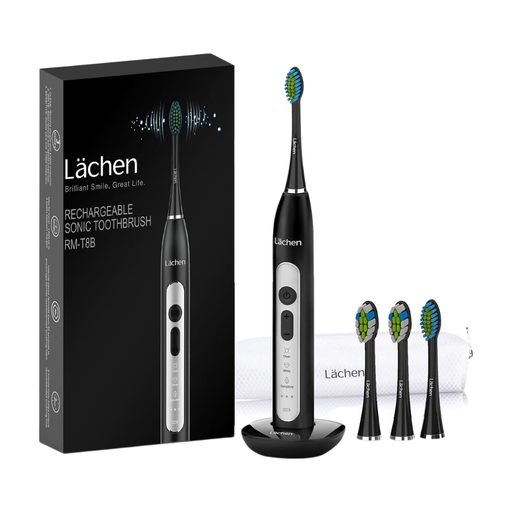
Why This Fits Their Persona: Perfect for those who are frequently on the go or hate constant charging. The long battery life, fast charging time, and included travel case make this an extremely practical choice.
This model focuses on a practical benefit (battery life) instead of superfluous 'smart' features. The included brush heads and travel case also prevent unexpected additional costs.
A battery life of up to 60 days after just 3 hours of charging. The toothbrush offers 9 brushing settings (3 modes, 3 intensities) and comes with 4 brush heads.
We have compiled a complete, up-to-date list of products that meet our strict selection criteria.
1. How often should I replace the brush head on my electric toothbrush? Generally, it is recommended to replace the brush head every three months, or sooner if the bristles are visibly frayed. Worn bristles clean less effectively. Some brands, like Oral-B and Philips, have bristles with indicator technology that fade to signal it's time for a replacement.
2. Is a sonic toothbrush better than a rotating one? Neither is inherently 'better'; the choice depends on personal preference. Rotating brushes excel at tooth-by-tooth cleaning and polishing. Sonic brushes use a sweeping motion and fluid dynamics to also clean between teeth, which many people with sensitive gums find more comfortable.
3. Can I use an electric toothbrush if I have sensitive teeth? Yes, absolutely. In fact, many modern electric toothbrushes are an excellent choice for people with sensitive teeth. Choose a model with a dedicated mode for sensitivity and, most importantly, a pressure sensor. This sensor prevents you from brushing too hard and damaging your gums or enamel. Always use a soft-bristled brush head.
By the Joybuy Product Recommendation OfficerDate: 28-07-2026
