
Vandaag of morgen in huis

Kwaliteit gegarandeerd

Welkomstaanbiedingen ontgrendelen: GRATIS bezorging | Tot 80% korting | Gratis 30 dagen JoyPlus-proefperiode
Download de app
Switching from a manual to an electric toothbrush is a logical step for anyone serious about their oral care. The promises are significant: better plaque removal, healthier gums, and a cleaner feeling. But the market is flooded with models, features, and marketing terms. This makes it easy to fall into a trap and pay for something you don't need, or worse, choose a model that needs replacing after just a few months.
As a Joybuy Product Recommendation Officer, I'm here to help you cut through the noise. We'll focus on what truly matters and ignore the marketing hype. Let's discuss the two most common pitfalls that can cost you money.
To avoid a bad purchase, there are a few technical specifications you should always check. These determine the actual effectiveness and user-friendliness of your toothbrush.
The technology is the most important distinguishing factor. There are two dominant systems on the market:
Regardless of the brushing technology, there are two features a modern electric toothbrush should have:
Not everyone has the same needs. That's why we've matched some popular models to specific user profiles, based on their objective specifications.
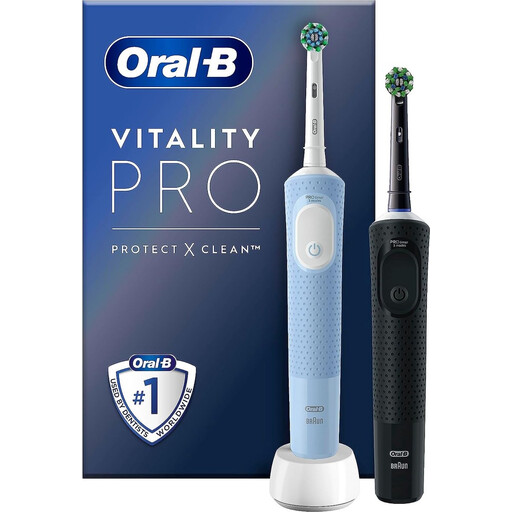
Why This Fits Their Persona: Ideal for those switching from manual brushing who want a reliable, straightforward model. This duo pack offers excellent value for couples or families starting their electric brushing journey together.
This model focuses on the essentials: an effective clean with 2D technology and a timer. It avoids the cost of 'smart' features that beginners often don't use.
Includes 3 brushing modes, including one for sensitive teeth, and a built-in 2-minute timer. The duo pack makes it a very cost-effective choice.
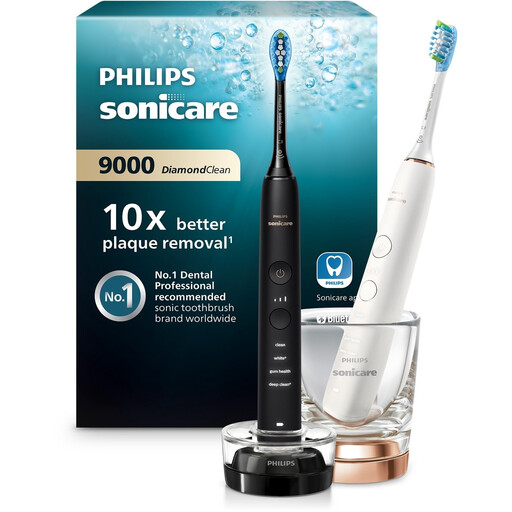
Why This Fits Their Persona: For the user who wants to perfect their brushing routine with the help of technology. This model offers personalised feedback and a wide range of settings for a tailored brushing experience.
Although this is a 'smart' toothbrush, the Sonicare app provides genuinely functional feedback via a progress report. This helps improve brushing habits, making the feature more than just a gimmick.
Features a pressure sensor, 4 brushing modes, and 3 intensities. The BrushSync technology automatically pairs the brush head with the correct mode.
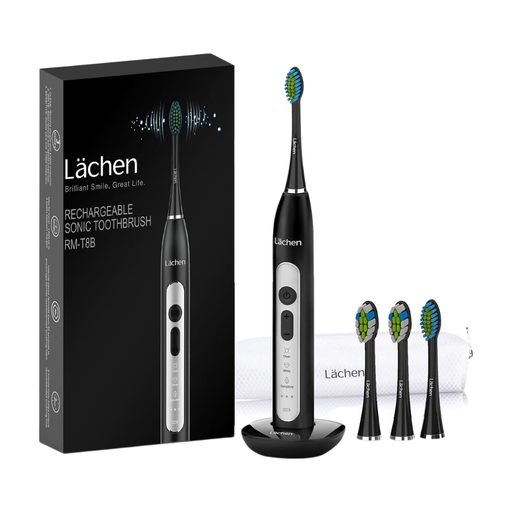
Why This Fits Their Persona: Perfect for those who are frequently on the go. The combination of an extremely long battery life, a universal USB charger, and an included travel case makes this a hassle-free travel companion.
This model directly addresses the 'battery life trap'. The claimed battery life of up to 60 days means you can leave the charger at home on short trips. The USB charger is also universal and practical.
Very long battery life, 9 brushing settings (3 modes, 3 intensities), a 2-minute timer, and comes with a travel case and 4 brush heads.
We have compiled a complete, up-to-date list of products that fully meet these strict selection criteria and safety standards.
Most manufacturers, including Philips and Oral-B, recommend replacing the brush head every three months. Many modern toothbrushes have bristles that fade over time or an indicator on the handle to remind you. Worn-out bristles clean less effectively and can harbour more bacteria. Regular replacement is therefore important for both the hygiene and effectiveness of your brushing session.
There is no clear-cut answer as to which is 'better'; it depends on personal preference and the condition of your teeth. A sonic toothbrush is often perceived as gentler and is a popular choice for people with sensitive gums. A rotating Oral-B toothbrush with a round head provides a powerful, polishing sensation and is very effective at surrounding each individual tooth. Both technologies are capable of removing significantly more plaque than a manual toothbrush.
For most people, a smart toothbrush with an app is not an absolute necessity. The most crucial features for a good brushing session are a timer and a toothbrush with a pressure sensor. However, if you are motivated by data and visual feedback, an app with progress reports can be a valuable addition to structurally improve your brushing technique. Consider beforehand whether you will actually use this type of guidance.
