
Vandaag of morgen in huis

Kwaliteit gegarandeerd

Welkomstaanbiedingen ontgrendelen: GRATIS bezorging | Tot 80% korting | Gratis 30 dagen JoyPlus-proefperiode
Download de app
Choosing an electric toothbrush can feel like navigating a jungle of marketing jargon and technical gadgets. Brands promise a radiant smile, but in reality, many choices lead to disappointment. Before you invest in an upgrade, it's crucial to know what to look for. Many models have design flaws or hidden drawbacks that only become apparent after purchase.
As a Joybuy Product Recommendation Officer, I see daily which specifications truly make a difference and which are purely for show. Here are the three most common pitfalls and how to avoid them.
A common complaint is a battery that drains much faster than advertised. A manufacturer might claim "weeks of brushing," but after a few months, the toothbrush needs to be charged every few days. This is often due to the use of outdated battery technology or charging systems that weaken the battery over time. For those who travel frequently or simply don't want another device constantly on the charger, this is a major inconvenience.
App connectivity, 3D mouth tracking, and countless brushing modes sound impressive. The reality is that most users stop using these features after the first week. They unnecessarily drive up the price and add little to the core function: cleaning your teeth. A toothbrush that tells you what you already know via an app is rarely worth the extra investment.
An affordable electric toothbrush can become an expensive purchase in the long run. The real cost often lies in the replacement brush heads, which you need to change every three months. Some brands charge high prices for their proprietary brushes, significantly increasing the total cost of ownership.
To avoid a bad purchase, it's best to focus on a few key specifications that directly impact effectiveness and convenience.
The two dominant technologies are rotating and sonic.
An electric toothbrush with a long battery life is essential for convenience. Look for models that specify a usage time of at least 90 days on a single charge. A rechargeable toothbrush with a modern USB-C port is extra handy. You can then charge it with the same cable as your phone or laptop, which is ideal for a travel electric toothbrush.
Instead of unnecessary app integrations, there are two features that add real value:
Based on these practical criteria, we have selected a few models that suit different user profiles.
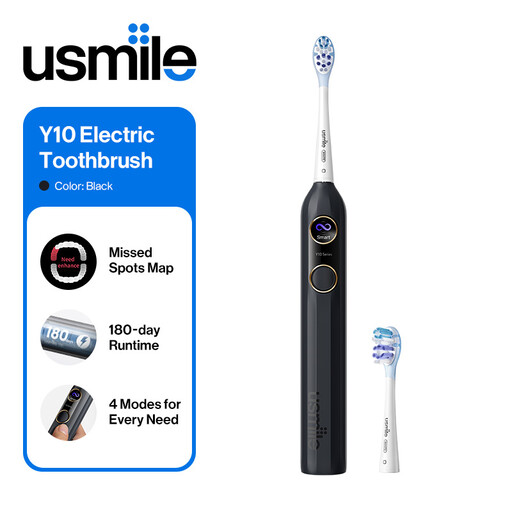
Why This Fits Their Persona: Ideal for those who are always on the go. With a battery life of up to 180 days, you don't need to pack the charger, even on long trips. The USB-C port makes charging easy anywhere.
Directly tackles the battery life pitfall. The claimed 180-day usage is a concrete specification, not a vague marketing promise.
The smart screen provides visual feedback on missed brushing zones, a useful feature that genuinely contributes to a better brushing routine.
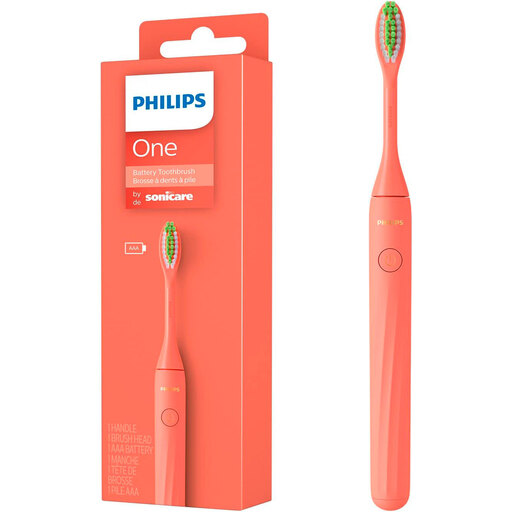
Why This Fits Their Persona: A perfect, entry-level transition from a manual toothbrush. This model combines the simplicity of a manual brush with the effectiveness of sonic micro-vibrations.
Avoids the pitfall of superfluous features. It offers only the essentials: sonic cleaning and a 2-minute timer. No frills, just a clean mouth.
Runs on a single AAA battery that lasts up to 90 days. No hassle with chargers and cables. Its slim, lightweight design also makes it a great travel companion.
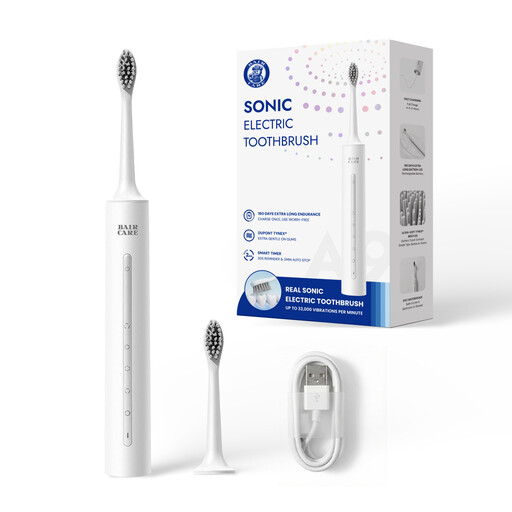
Why This Fits Their Persona: For those who want to personalize their brushing routine. With 5 brushing modes and 3 intensity levels, this model offers 15 different combinations to tailor the brushing experience to specific needs, from intensive cleaning to gum care.
Offers extensive functionality without the premium price tag of A-brands. The 180-day battery life proves that advanced features and long-lasting power can go hand in hand.
The combination of 5 modes and 3 intensities provides a very high degree of personalization. Its IPX7 waterproof rating means you can safely use it in the shower.
We have compiled a complete, up-to-date list of products that fully meet these strict selection criteria and comply with all relevant safety regulations.
Dentists and manufacturers recommend replacing the brush head every three months. The bristles wear out over time, making cleaning less effective. Some brush heads even have indicator bristles that fade in color to show when it's time for a replacement.
Absolutely. Many electric toothbrushes, especially sonic models, have a special ‘Soft’ or ‘Sensitive’ mode. This mode reduces the intensity of the vibrations for a gentle clean that doesn't irritate the gums. Some models also have a pressure sensor that warns you if you're brushing too hard, which helps prevent gum damage.
The main difference is the motion. A rotating brush spins in a circular motion, while a sonic brush vibrates back and forth at high speed. The sonic technology creates fluid dynamics that drive fluid (saliva and toothpaste) between the teeth and below the gumline, ensuring a thorough clean in hard-to-reach places. The choice is personal, but many people find the vibration of a sonic brush more pleasant and less aggressive than the motion of a rotating brush.
