
Vandaag of morgen in huis

Kwaliteit gegarandeerd

Welkomstaanbiedingen ontgrendelen: GRATIS bezorging | Tot 80% korting | Gratis 30 dagen JoyPlus-proefperiode
Download de app
An electric toothbrush can make brushing easier, but not every model is right for every user. A high vibration frequency, lots of brushing modes or a long battery life don’t tell you much about day-to-day use. You should also consider the brush head, pressure control, timer, charging method and the availability of replacement parts.
For families, the age recommendation also matters. If you wear braces or want to clean between your teeth, a supplementary water flosser or oral irrigator can be helpful. Below, you’ll find practical advice on what to look for, along with models that suit different needs.
A sonic toothbrush is often promoted with a high number of movements per minute. According to the product description for the Philips Sonicare 7100 Series, for example, it delivers 62,000 brush movements per minute. That’s a verifiable specification, but it doesn’t tell you how comfortable the brush head feels or how easily you can reach all areas.
With a rotating toothbrush, such as various Oral-B models, the shape of the round brush head is an important part of the experience. So, alongside the technology, consider:
A toothbrush with a pressure sensor can warn you when you’re brushing too hard. The response varies by model. According to the product description, the Oral-B iO Series 2 shows a red signal when too much pressure is applied and has three intensity settings. The Oral-B iO 3N uses red, white and green signals to indicate brushing pressure, as per the brand description.
This feature supports your brushing routine, but it doesn’t replace a gentle technique. For sensitive gums, a soft mode, a soft brush head and light pressure are often more practical than simply choosing a model with lots of settings.
“Up to” a certain number of days means the actual duration depends on brushing frequency, intensity and usage. Also check how long charging takes and which charging station or cable is included. A model with USB-C, such as the Rushi R-C31, can be convenient if you already use a compatible charger. Always make sure the charging port is dry before connecting it.
The same applies to water flossers. A portable water flosser with a large tank is suitable for home use, but takes up more space. A compact model is handy for travel, but may need refilling more often.
A rotating toothbrush works with a moving round head. A sonic toothbrush uses rapid vibrations from an elongated head. Neither system is automatically right for everyone. Choose based on feel, handling and the availability of soft or sensitive brush heads.
For adults, models such as the Oral-B iO 3N, Philips Sonicare 7100 and Oral-B Vitality Pro Protect X Clean are designed for daily use. According to their product descriptions, they feature a timer and some form of intensity or sensitive setting. Check the actual contents of the packaging before ordering.
A toothbrush with a timer usually signals after 30 seconds to switch zones, and stops or signals after two minutes. According to the product information, the Oral-B Pro Kids Spider-Man has a two-minute timer with 30-second intervals. This makes it suitable for children aged 3 and over, but adult supervision is still required according to the safety instructions.
A pressure sensor is particularly useful if you tend to press hard. Check whether the sensor only warns you or also reduces the speed.
A water flosser works alongside brushing. The stated pressure in psi indicates the adjustable range, but a higher value isn’t automatically more comfortable or suitable. If you have sensitive teeth, sensitive gums or new braces, start with a gentle setting, as advised in the product instructions.
When choosing a water flosser for braces, check whether an orthodontic nozzle is included. Also consider:
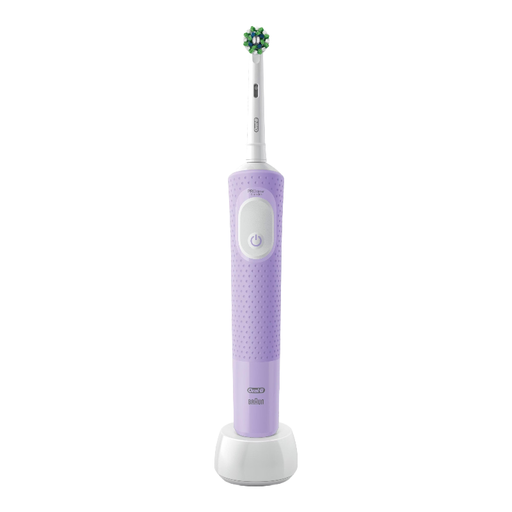
Why it fits this profile: This model focuses on the essentials: a rechargeable electric toothbrush with a Sensitive programme, timer and charging indicator.
You’re not paying for a host of smart features you might never use. The product information clearly mentions a Sensitive programme and a built-in timer.
Rotating technology, rechargeable battery, Sensitive programme and charging station according to the product description.
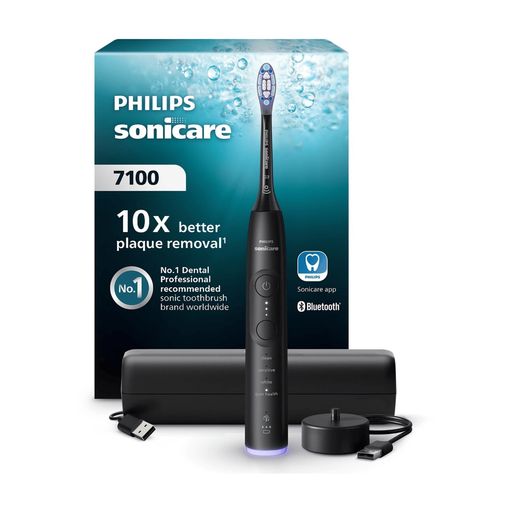
Why it fits this profile: Ideal for adults who want multiple settings and app guidance, combined with a travel case.
The product details don’t just mention sonic technology; they also list four brushing modes, three intensities and a pressure sensor.
62,000 movements per minute according to the product information, four modes, three intensities, app support and travel case.
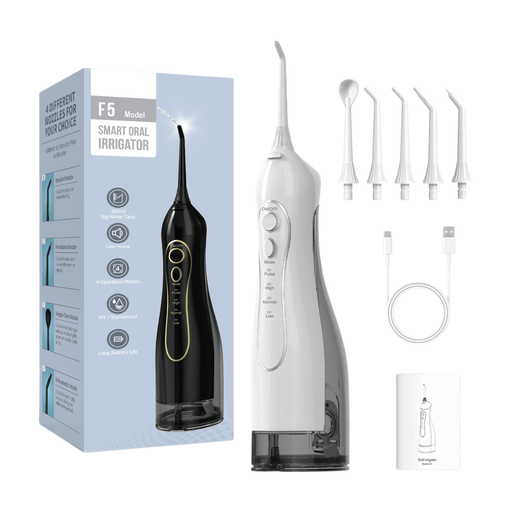
Why it fits this profile: A practical choice for users with braces, those who want to rinse between teeth, and travellers looking for a cordless model.
The five pressure settings let you start on a low level. The included orthodontic nozzle means you don’t have to search for a suitable nozzle afterwards.
40–140 psi, five modes, a removable 300 ml tank, 360° rotating nozzle and IPX7 rating according to the product information.
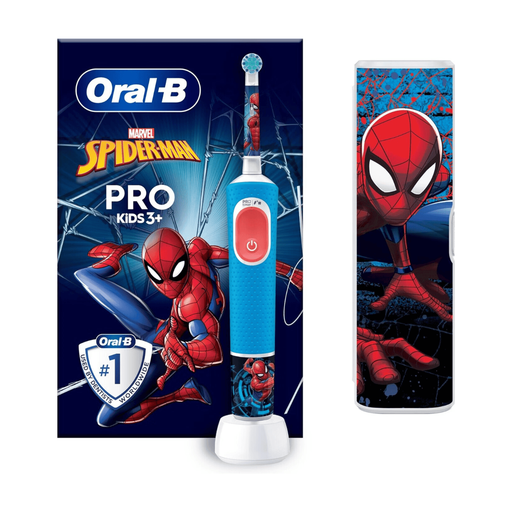
Why it fits this profile: According to the product information, this electric children’s toothbrush is designed for children aged 3 and over and comes with an extra-soft Sensitive Clean brush head.
The age recommendation, soft brush head, visible pressure sensor and timer are all clearly stated. According to the safety instructions, adult supervision is required.
Two-minute timer with 30-second intervals, pressure sensor, Sensitive Clean brush head and a stated battery life of up to eight days.
We’ve put together a full, up-to-date list of products that fully meet these strict selection criteria and comply with current European safety regulations.
If you experience persistent irritation, bleeding or pain, stop using the product and consult a dentist. Product information and brand marketing claims are not a substitute for personal medical advice.
That depends on the combination of brush head, brushing mode and pressure. Choose a soft brush head and start with a Sensitive or Soft mode. A pressure sensor can help you use less force. If problems persist, discuss usage with your dentist.
The usage time per charge varies by model. The product information for different models mentions a range from a few days to several weeks. The overall lifespan of the device also depends on the battery, charging accessories, water exposure and daily maintenance.
A water flosser is an additional oral irrigator for cleaning between teeth, along the gum line or around braces. It doesn’t replace brushing. Choose a model with a gentle setting and a suitable nozzle, especially if you have sensitive gums or are new to using a water flosser.
