
Vandaag of morgen in huis

Kwaliteit gegarandeerd

Welkomstaanbiedingen ontgrendelen: GRATIS bezorging | Tot 80% korting | Gratis 30 dagen JoyPlus-proefperiode
Download de app
An electric toothbrush can make your brushing routine more convenient, but a high price or large number of brushing movements does not automatically mean a model is right for you. If you focus only on marketing terms, you may find yourself dealing with disappointing battery life, expensive replacement brush heads or awkward controls after just a few months.
The main pitfalls:
An electric toothbrush with a pressure sensor can be useful if you tend to brush too hard. Pay attention to how the warning is given: through a light, vibration, motor slowdown or a combination of these. The sensor does not replace proper brushing technique, but it can provide immediate feedback.
An electric toothbrush with a timer helps you stick to the recommended two-minute brushing time. Some models also give a signal every 30 seconds to tell you to move to a different brushing zone. This is practical, as you do not have to keep checking the clock.
There are broadly two common systems:
Also consider the available intensity levels. An extra-gentle or sensitive setting may be more comfortable if you have sensitive teeth or gums. Do not use a stronger setting simply because it sounds more powerful. If irritation or bleeding persists, consult a dentist.
A rechargeable toothbrush is convenient for everyday use, but the charging solution varies by model. Check:
A twin pack can be appealing for couples, but check whether both handles have their own charging solution or share one charging station. Also consider the availability of original or compatible replacement brush heads in the Netherlands.
The choices below are linked to clear user profiles. The features are based on the available product information; brand statements about cleaning results are not independent findings.
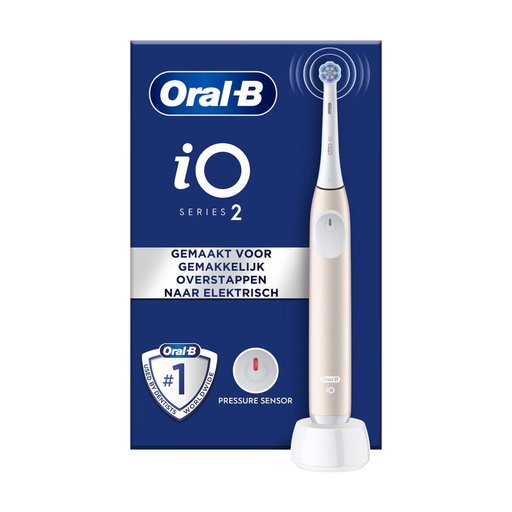
Why it suits this profile: This model keeps operation simple with one button, three quiet intensity levels and a timer that indicates a new brushing zone every 30 seconds. It is a good fit for adults switching from manual brushing without wanting a complicated app.
You are not paying for a long list of modes: the available options are extra gentle, gentle and daily cleaning. According to the product description, the automatic pressure sensor reduces the speed when too much pressure is applied.
Pressure sensor, two-minute timer, three intensity levels and a charging solution included. The product information states that a statutory warranty of at least two years applies under EU consumer rules.
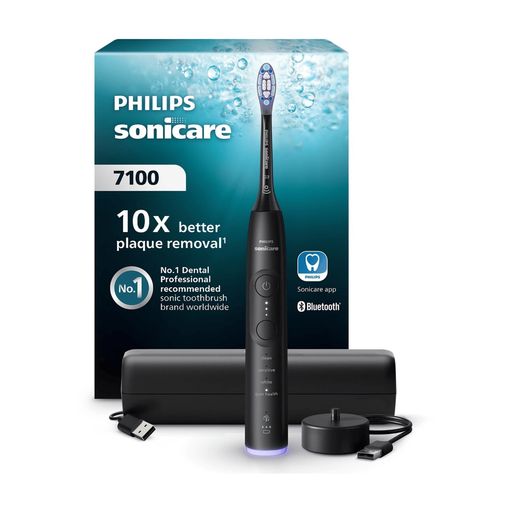
Why it suits this profile: This model combines four brushing modes with three intensity levels, a pressure sensor and a travel case. The product information also states that it supports the Sonicare app.
The functions are clearly defined: sensitive, clean, white and gum health, plus a warning when too much pressure is applied and an indicator for brush-head replacement. This lets you tailor the additional features to your routine.
62,000 movements per minute according to the product specification, a pressure warning, four modes, three intensity levels and a travel case.
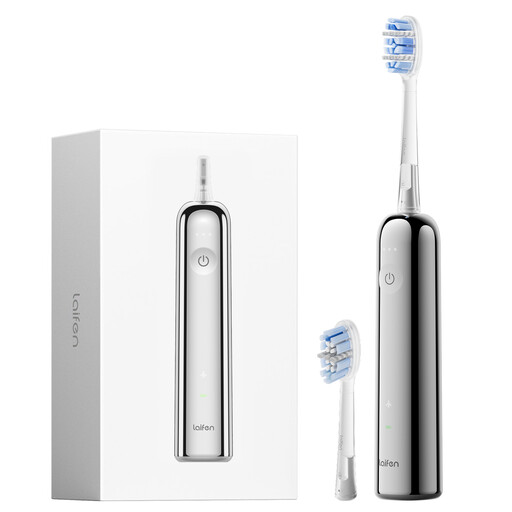
Why it suits this profile: The product information lists a pressure sensor, Bluetooth app control, magnetic wireless charging, two brush heads and battery life of up to 60 days. This is particularly appealing to frequent travellers or users who like to track settings digitally.
The stated battery life makes it clear why this model does not need frequent charging. Before buying, however, check which app features, charger and replacement brush heads are available for your needs.
Up to 60 days of battery life according to the product listing, pressure sensor, app control, magnetic wireless charging and two brush heads included.
We have put together a complete, up-to-date list of products that fully meet these strict selection criteria and the applicable European safety regulations.
Replace the brush head according to the product manual. Several models specify a period of around three months, or sooner if the bristles are visibly worn. Rinse the head after use and avoid unnecessarily wetting the handle and charging base. Before charging, check that a USB-C connection is completely dry.
An electric toothbrush for adults is not automatically suitable for children. Pay attention to age warnings, keep loose brush heads out of reach and only let young users brush under supervision. Do not share brush heads within a household.
That depends on your brushing technique, preferences and consistency. An electric toothbrush can help you stick to a set brushing time and may provide pressure feedback. The right brush head, gentle pressure and a daily routine remain important.
Usage time per charge varies considerably. The available product information ranges from a standard battery life to models claiming up to 60 or 180 days. These claims are based on the product information provided by the relevant brands or sellers; always check the manual and charging conditions. The lifespan of the device also depends on maintenance, battery wear and the availability of replacement parts.
In addition to the purchase price, you pay for replacement brush heads and possibly accessories. So do not calculate using the price of the handle alone. Before making your choice, compare the number of included heads, the recommended replacement frequency and the price of suitable refills.
