
Vandaag of morgen in huis

Kwaliteit gegarandeerd

Welkomstaanbiedingen ontgrendelen: GRATIS bezorging | Tot 80% korting | Gratis 30 dagen JoyPlus-proefperiode
Download de app
An electric toothbrush can make daily brushing more manageable, especially if you often brush for too little time, use too much pressure or struggle to reach every area. However, there is a wide range of options available. A high vibration frequency or a clever product name does not automatically mean a model will suit your routine.
The key question, therefore, is not which toothbrush has the most features, but which specifications you will actually use. Also consider ongoing costs, the charging method and the availability of suitable replacement brush heads.
Brands often promote a high number of movements or oscillations per minute. This is a verifiable product specification, but it does not tell you everything about the user experience. A model with a high vibration rate may feel uncomfortable if you are used to brushing manually or have sensitive gums.
So also look at the brushing modes, intensity levels and whether a gentle setting is available. For example, based on its own research, Philips claims that its products remove a certain amount more plaque than manual brushing. This is a brand claim, not a general guarantee for every user.
An electric toothbrush with a timer helps you stick to the recommended two minutes. Some models also give a signal every 30 seconds to tell you when to move to another area. This makes your routine clearer, but a timer does not automatically check whether you are brushing every tooth evenly.
A screen or app can provide additional feedback, but it is mainly useful if you genuinely want to use that information. For many users, a simple timer combined with good technique and a gentle brushing style is sufficient.
A waterproof electric toothbrush is not the same as a waterproof charger. Always check the handle’s IP rating and keep the charging port or charging station dry. With USB-C models, the port must be completely free from moisture before you connect the cable.
An IPX7 or IPX8 rating describes the stated protection of the device under certain conditions. Always use the handle in accordance with the instructions and do not place a wet device straight into a closed travel case.
A sonic electric toothbrush moves the bristles rapidly back and forth. A rotating model usually uses a round brush head with rotating or pulsating movements. Neither system is automatically right for everyone. Focus on the shape of the brush head, the noise level and how comfortable it feels to move slowly along the gumline.
For beginners, a gentler setting or a gradual increase in intensity can be helpful. According to its product description, the Philips Sonicare Series 3100, for example, features an Easy-Start programme. This is designed to build up the intensity during the first period of use.
An electric toothbrush with a pressure sensor warns you when you are pressing too hard. Some models also adjust the speed. This can be useful if you are used to scrubbing firmly. However, a pressure sensor is no substitute for careful technique: let the brush do the work and move slowly from tooth to tooth.
Also check how many modes are genuinely available. A toothbrush with multiple brushing modes may offer options such as daily cleaning, gentle brushing, whitening or gum care. Three useful modes are often more practical than lots of settings you rarely use.
A rechargeable electric toothbrush is convenient for everyday use, but battery life varies considerably between models. Philips states that the Series 3100 offers up to 14 days of use. According to their product information, the usmile Y1S and usmile Y10 offer up to six months per charge. With claims like these, do check the conditions of use, such as brushing frequency, mode and intensity.
A USB-C electric toothbrush is appealing to travellers because you may be able to use the same cable as you do for other devices. Check that a USB-C port is actually included and whether an adapter comes in the box. An electric toothbrush with a travel case protects the brush head while you are away, but only store the brush once it is dry.
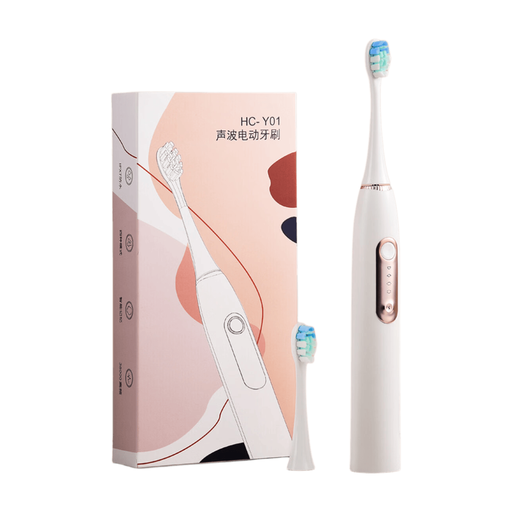
Why it suits this profile: This model combines Type-C charging with a 2-minute timer and a 30-second reminder. You get the essential features without needing a screen or app.
The product information specifies concrete charging and timer features. The stated IPX7 water resistance does not mean that the USB-C port can get wet; keep it dry while charging.
40,000 stated oscillations per minute, Type-C charging and IPX7 water resistance according to the product description.
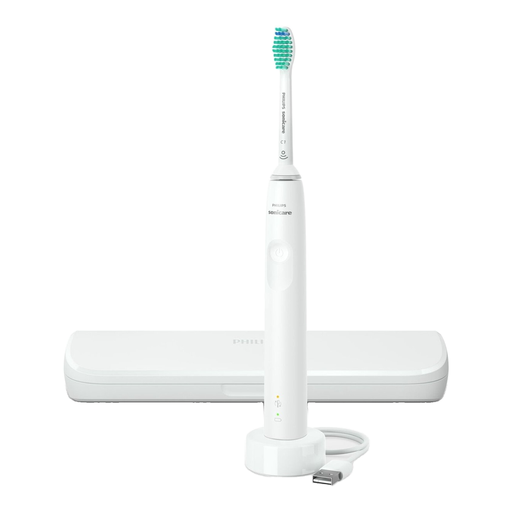
Why it suits this profile: Suitable for adults who want a gentle transition to sonic brushing, with guidance from a timer and pressure sensor.
The built-in pressure sensor is designed to indicate when you are brushing too hard. The USB charging solution and travel case make the storage and charging requirements clear from the outset.
31,000 movements per minute, pressure sensor, USB charging station and, according to Philips, battery life of up to 14 days.
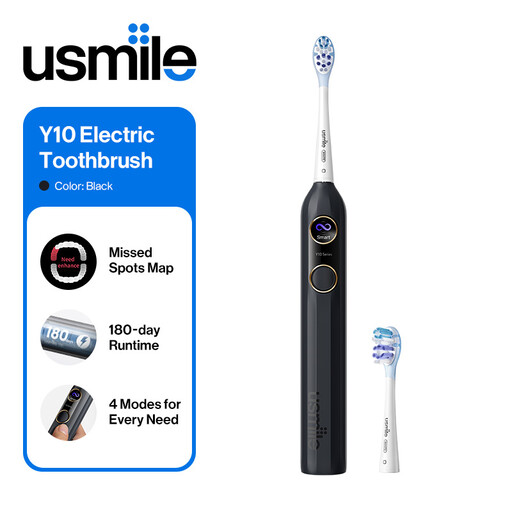
Why it suits this profile: The Y10 is suited to users who want several settings and visible feedback. The product information lists four brushing modes, a screen and USB-C charging.
According to the product description, brushing pressure is shown on the screen and the intensity can be reduced automatically. Do check the current manual and dry the charging port before use.
Four modes, USB-C, an IPX7 rating and stated battery life of up to 180 days according to the product information.
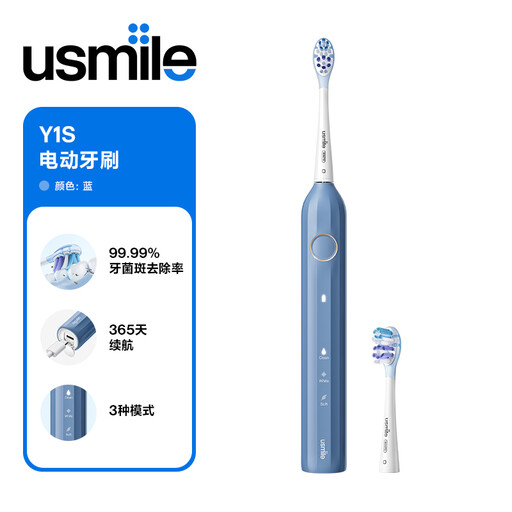
Why it suits this profile: The combination of three modes, USB-C, a travel case and stated battery life of up to six months is practical for long trips or when charging opportunities are limited.
The timer and 30-second reminder reduce the risk of brushing for too little time or repeatedly focusing on the same area. However, the manual advises against prolonged use in the shower or bath.
Three brushing modes, a 2-minute timer, USB-C charging, travel case and, according to the product information, up to six months of battery life.
We have put together a complete, up-to-date list of products that fully meet these strict selection criteria and the applicable European safety regulations.
Its lifespan depends on the battery, charging method, motor and maintenance. The brush head is a consumable component and generally needs replacing sooner than the handle. Check that replacement brush heads are available and suitable for the model you choose.
In addition to the purchase price, you will pay for replacement brush heads and possibly a new charging cable or charging station. A model with a low purchase price may therefore work out more expensive if compatible brush heads are difficult to find. Compare the price and availability of refills before placing your order.
It can be a practical choice, particularly if you already use a USB-C cable and a suitable 5V power supply. Check the accessories included, the battery life and the water resistance. A travel case is useful for transport, but only store the brush once the brush head is dry.
