
Vandaag of morgen in huis

Kwaliteit gegarandeerd

Welkomstaanbiedingen ontgrendelen: GRATIS bezorging | Tot 80% korting | Gratis 30 dagen JoyPlus-proefperiode
Download de app
An electric toothbrush can help you brush more regularly and for longer, but not every model suits every user. A low price may be tempting, while replacement brush heads can prove expensive over time. Terms such as “whitening”, “smart app” and “professional cleaning” may also sound convincing, but they don’t automatically mean you’re buying the right toothbrush.
In this buying guide, we focus on specifications you can check: brushing modes, timer, pressure sensor, battery life, water resistance and the availability of compatible brush heads.
Brands sometimes quote a percentage for plaque removal or healthier gums. These figures don’t necessarily apply to every user. Results may also depend on the method and comparison used in the brand’s own research.
So, start by looking at features you’ll use every day:
An electric toothbrush with an app can track brushing zones, time and pressure. This is particularly useful if you like getting feedback. If you prefer to keep your phone out of the bathroom, an app may not add much. A good timer and pressure sensor are often more practical.
Also check whether the app only works with certain models and whether it requires a Bluetooth connection.
A model with a short battery life can be inconvenient when travelling. Check the difference between battery life in minutes, the number of days quoted by the manufacturer and charging time. A USB-C connection is handy on the go, while some models use a dedicated charging stand.
A waterproof electric toothbrush isn’t automatically safe to use with its charger near water. Keep the charging base dry and always follow the safety instructions.
A toothbrush with a pressure sensor warns you when you press too hard. Depending on the model, it may do this with a light, a vibration or both. This is a useful feature if you tend to scrub firmly.
A pressure sensor doesn’t replace proper brushing technique. Move the brush slowly along your teeth and let the brush head do the work.
An electric toothbrush with a timer often signals every 30 seconds to prompt you to move to another part of your mouth. This helps you spread your brushing time more evenly. Three modes are enough for many users, while more expensive models offer four or five.
Check what the mode names mean:
Check how often the brush head needs replacing. Product information for several of the models mentioned recommends replacing it about every three months, or sooner if the bristles are worn. So, factor in the cost of brush heads as well as the purchase price.
A sonic toothbrush uses rapid brushing movements. Other models use a round brush head that rotates or oscillates. Choosing between them mostly comes down to personal preference, how it feels in your mouth and which brush heads are available.
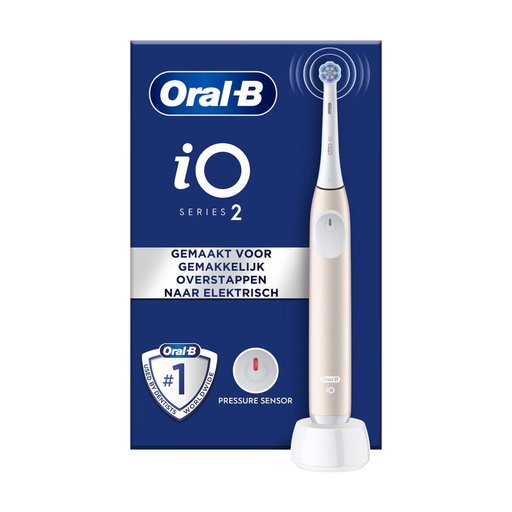
Why it suits this profile: This Oral-B model keeps things simple, with one button, three intensity levels and quiet operation, according to the product description.
You’re not paying for an app or a large number of modes. According to the product information, the automatic pressure sensor reduces the speed when you press too hard and gives a red warning.
Three intensity levels and a timer that signals every 30 seconds; suitable for adults and not recommended for children under 3.
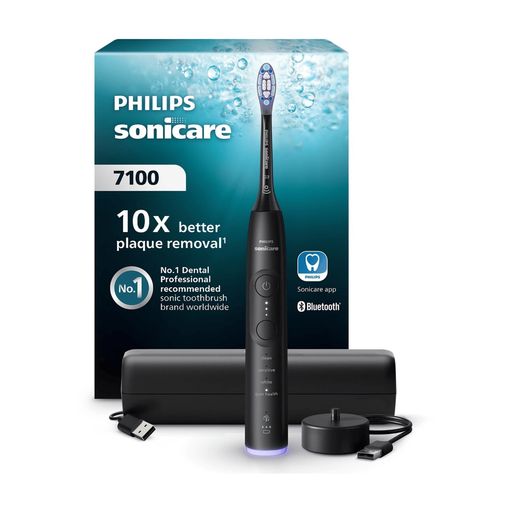
Why it suits this profile: This model offers four brushing modes, three intensity levels, a Premium Gum Care brush head and support for the Sonicare app.
The product information specifically mentions a pressure sensor and a brush-head replacement reminder, rather than just general app features.
62,000 movements per minute according to the product specifications, four modes, three intensity levels and a travel case included.
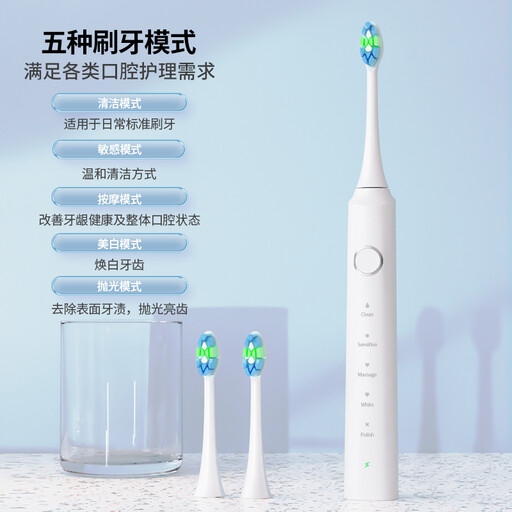
Why it suits this profile: With USB-C charging, five brushing modes and an IPX7 water-resistance rating, this model is a good fit for people who travel often or use their toothbrush in a humid bathroom.
The product specifications mention not only a water-resistance rating, but also a timer, a 30-second reminder and a USB-C charging stand.
Five modes, 38,400 movements per minute according to the product description, an IPX7 rating and up to 40 uses per charge according to the manufacturer.
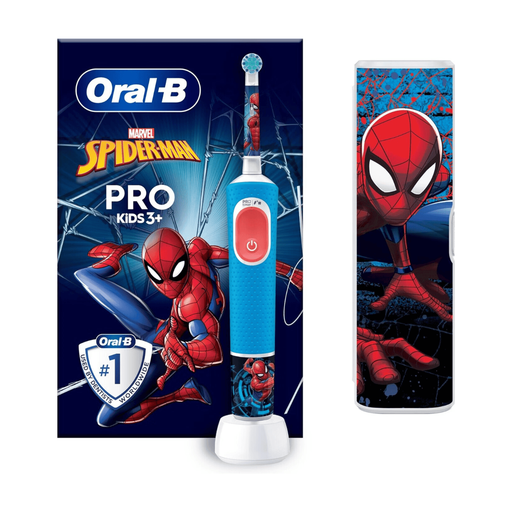
Why it suits this profile: According to the product information, this model is designed for children aged 3 and over. It has extra-soft Sensitive Clean bristles, a timer and a visible pressure sensor.
The age recommendation and extra-soft brush head make it clear this isn’t simply a smaller adult toothbrush. An adult should still supervise brushing.
Two-minute timer with signals every 30 seconds, a 360° visible pressure sensor and up to eight days of battery life according to the product information.
We’ve put together a full, up-to-date list of products that meet these strict selection criteria and the applicable European safety regulations.
An Oral-B electric toothbrush is worth considering if you’re looking for a round brush head, rotating movements and clear pressure feedback. The Oral-B iO5, for example, has five modes, a timer and an app that tracks your brushing. The iO6 adds a display and comes with two brush heads.
If you’re considering a Philips Sonicare electric toothbrush or another sonic model, take a look at the Philips Sonicare 5300. It has two modes, a pressure sensor and a whitening brush head, and according to the product information, its battery lasts for up to three weeks. The Philips Sonicare 5500 Duo Pack is a practical choice for two users: the pack includes two handles, two brush heads and two travel cases.
An electric toothbrush twin pack is only good value if both handles will actually be used. Also check whether the charging solution works for two people and how much replacement brush heads cost.
Its lifespan depends on the battery, motor, charging habits and maintenance. Rinse the brush head after use, let the handle dry and don’t use a damaged device. Replace the brush head roughly every three months, or sooner if the bristles are worn.
Brush heads are the main ongoing cost, in addition to the purchase price. Compare the price and availability of compatible replacement heads. A twin pack may work out cheaper per handle, but only if you use both toothbrushes.
Choose a model with a clear age recommendation and soft bristles. The children’s models mentioned are designed for children aged 3 and over. Always have an adult supervise young children while they brush, and keep small parts out of reach.
