
Vandaag of morgen in huis

Kwaliteit gegarandeerd

Welkomstaanbiedingen ontgrendelen: GRATIS bezorging | Tot 80% korting | Gratis 30 dagen JoyPlus-proefperiode
Download de app
Choosing an electric toothbrush can sometimes feel like navigating a jungle of marketing terms and technical gadgets. Brands promise whiter teeth, a perfect clean, and a revolutionary experience. But which features are genuinely useful, and where are you paying an unnecessary premium?
As a Joybuy Product Recommendation Officer, I help you make the right choices based on facts, not hype. Before you spend your money, it's wise to know the most common pitfalls.
smart toothbrush with app connectivity and AI coaching sounds impressive. In practice, many people stop using these features after the first week. However, you are still paying for the development of this technology.To avoid buyer's remorse, it's better to focus on the specifications that truly matter. These are the core elements that define the brushing experience and the results.
The two most common technologies are sonic and rotating-oscillating.
Some newer models even combine vibration (sonic) with oscillation (rotating) for a dual-action cleaning effect.
A rechargeable toothbrush is the standard, but the differences in battery life are enormous. Models range from one week to as long as six months on a single charge. If you're looking for a travel toothbrush, look for a battery life of at least 30 days and a USB charging method. This prevents you from having to carry a specific, bulky charger.
Don't be distracted by gimmicks. The following two features offer proven value for your oral hygiene:
electric toothbrush with a timer is indispensable. Most models have a 2-minute timer with 30-second intervals (a quadrant timer). This helps you give equal attention to each part of your mouth, as dentists recommend.Based on objective specifications, we have selected a number of models that suit different user profiles.
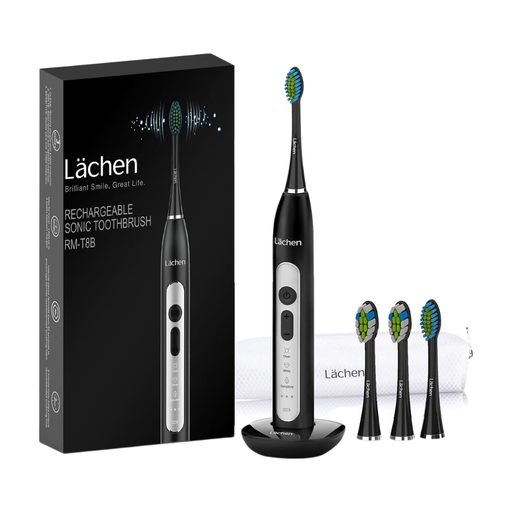
Why This Fits Their Persona: Ideal for those who are often on the go. This toothbrush combines an extremely long battery life with a convenient USB charger and an included travel case, making it a hassle-free travel companion.
Directly tackles the pitfall of short battery life. With up to 60 days of use, you won't even need to pack the charger for most trips.
Battery Life: up to 60 days from a 3-hour charge. Travel-Friendly: Includes USB induction charger and storage case.
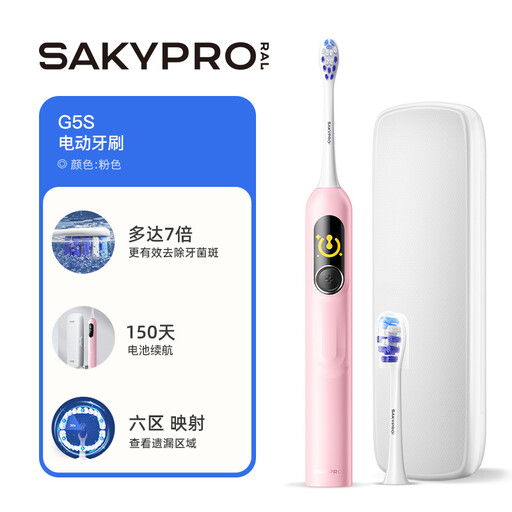
Why This Fits Their Persona: For those seeking technological innovation that actually contributes to a better brushing routine. This model provides direct feedback without relying on a smartphone app.
The 'smart' features here are practical. The real-time brushing map on the LED screen instantly helps you see missed zones, which is more functional than an app you might not open anyway.
Direct Feedback: Built-in real-time brushing map on the handle. Very Long Battery Life: Up to 150 days on a single charge.
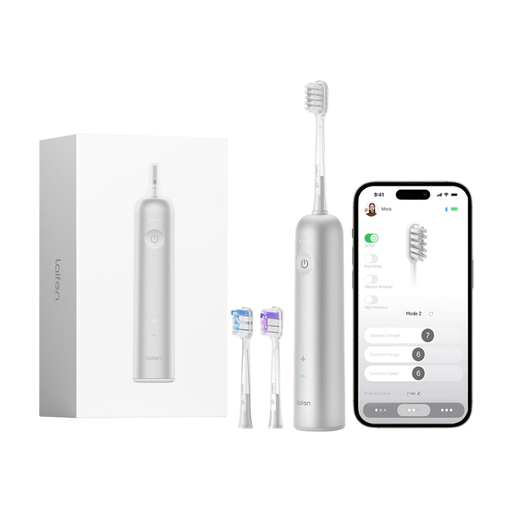
Why This Fits Their Persona: For the user who values superior build quality and an advanced brushing technique. The aluminium body feels robust, and the combined brushing motion is aimed at maximum cleaning results.
This model focuses on the core essentials: excellent cleaning and durability. It avoids the pitfall of superfluous features, investing instead in a unique motor and high-quality materials.
Combined Technology: Combines oscillation and sonic vibration. Premium Material: Sturdy and hygienic aluminium body.
We've compiled a complete, up-to-date list of products that fully meet these strict selection criteria and local safety regulations.
Most manufacturers and dentists recommend replacing the brush head every three to four months. This is important because the bristles wear out over time and become less effective at removing plaque. Some brush heads even have indicator bristles that fade to signal when it's time for a replacement.
Neither technique is inherently "better"; the choice depends on personal preference and your dental needs. A sonic toothbrush is often recommended for sensitive gums due to its sweeping, less aggressive motion. Rotating brushes are known for their powerful, targeted cleaning on a tooth-by-tooth basis. Both types are significantly more effective at removing plaque than a manual toothbrush when used correctly.
Yes, an electric toothbrush can be safely used with braces, implants, crowns, and fillings. In fact, it can even help to better clean the hard-to-reach areas around orthodontic appliances. It's best to choose a model with a pressure sensor to prevent applying too much force. For braces, special orthodontic brush heads are often available. When in doubt, always consult your dentist or orthodontist.
