
Vandaag of morgen in huis

Kwaliteit gegarandeerd

Welkomstaanbiedingen ontgrendelen: GRATIS bezorging | Tot 80% korting | Gratis 30 dagen JoyPlus-proefperiode
Download de app
An electric toothbrush can be a convenient upgrade if you want to brush for longer and more evenly. However, you may end up paying for features you hardly use. A high vibration speed, for example, doesn’t automatically mean a model is right for the way you brush.
When comparing models, look out for these three common pitfalls:
A sonic toothbrush moves its bristles rapidly from side to side. Other models use a round head with rotating, pulsating or magnetic movements, as with some Oral-B iO models. Neither system is automatically right for every user. Think about how you like to brush and whether the brush head feels comfortable.
For beginners, a model with one or a few modes is often easier to use. If you want to switch between everyday cleaning and gentle brushing, look for an electric toothbrush for adults with a sensitive mode and multiple intensity settings.
A toothbrush with a timer usually signals every 30 seconds that you can move to another part of your mouth, then stops or signals again after two minutes. This helps you give each section of your mouth enough attention.
A toothbrush with a pressure sensor warns you when you’re pressing too hard. This is particularly useful if you’re used to brushing vigorously or have sensitive gums. Check how the warning works: it may use a light, vibration or display.
A rechargeable toothbrush with a long battery life is useful in a household with multiple users or when travelling. As well as the stated battery life, check the charging time and connector type. USB-C, for example, is handy if you already use compatible cables.
A waterproof electric toothbrush may have an IPX rating. For the models mentioned, IPX7 indicates a higher level of protection against temporary contact with water, but the charging unit and charging port should be kept dry in line with the instructions. An electric toothbrush with a travel case is useful when you’re on the go, but don’t store the device wet in a closed case.
As a general rule, replace the brush head about every three months, or sooner if the bristles start to fray. For models with a brand-specific connection, use only compatible brush heads. If you’re concerned about bleeding or irritated gums, it’s better to ask a dentist for advice than to try a different brushing mode.
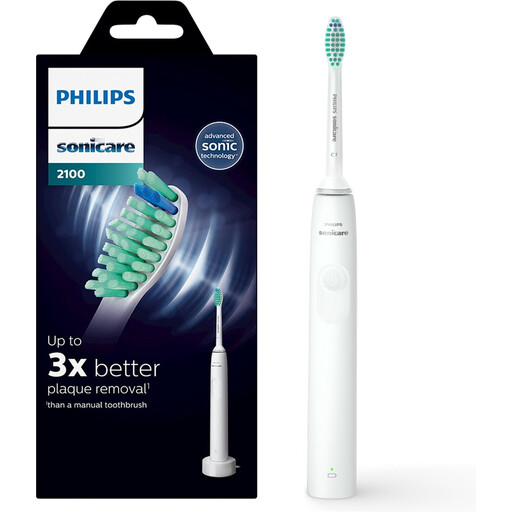
Why it suits this type of user: This model has one speed, a USB charger and a timer with 30-second intervals. This keeps things simple for anyone using an electric toothbrush for the first time.
There are no unnecessary smart features or app to worry about. Do check the cost and availability of compatible Philips Sonicare brush heads in advance.
31,000 movements per minute according to the product specifications, a timer, USB charger and a stated battery life of up to two weeks.
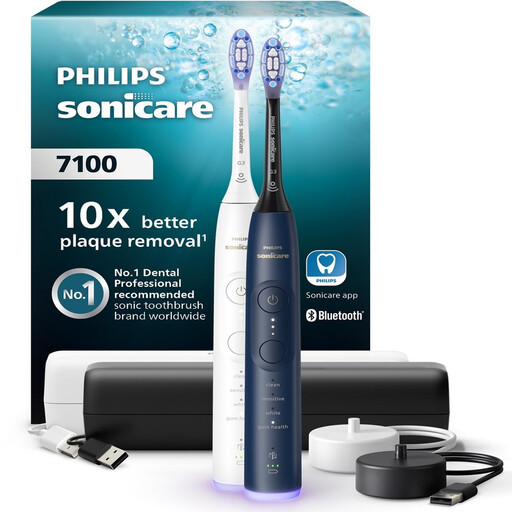
Why it suits this type of user: The twin pack includes two handles, two brush heads and a travel case. It’s a good fit for couples or users who want extra guidance and more settings to choose from.
The pressure sensor alerts you if you’re brushing too hard. Before paying extra for the smart features, check whether you’re likely to use the app.
Four brushing modes, three intensity settings, a pressure sensor, timer, BrushSync and a stated battery life of 84 minutes.
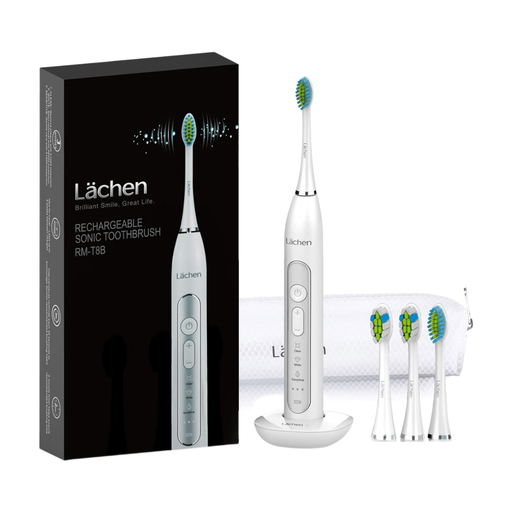
Why it suits this type of user: With nine settings, a travel bag and a stated battery life of up to 60 days, this model is practical for frequent travellers and anyone who wants to adjust the brushing intensity.
The product specifications list a timer, quadrant timing and IPX7 water resistance. Keep the USB charging unit dry and use only compatible Lachen brush heads.
Nine combinations of brushing mode and intensity, USB induction charger, travel bag and support for 100–240 V according to the product information.

Why it suits this type of user: According to the product information, this model is designed for children aged 6 and over. It has three modes, a timer and support for the Disney Magic app.
The age recommendation and child-friendly modes make it clear who the model is intended for. Parental supervision is still needed; small brush heads are not toys.
Three brushing modes, pressure alert, timer and a stated battery life of 54 minutes with the charging station.
We’ve put together a complete, up-to-date list of products that meet these strict selection criteria and the applicable European safety regulations.
Its lifespan depends on the battery, charging unit, water exposure and maintenance. Rinse the brush head after use, let the handle and head dry, and check regularly for cracks. Replace the brush head about every three months. The built-in battery isn’t designed to be replaced quickly by the user, so check the warranty and service terms when you buy.
As well as the purchase price, your main ongoing cost is replacement brush heads. Work out the cost based on the recommended replacement interval and the number of users. A twin pack can be convenient for two adults, but check that the included brush heads and charging accessories suit your household.
If you have sensitive gums, choose a soft brush head, a sensitive brushing mode and, ideally, a pressure sensor. Brush gently without applying extra pressure. If pain, irritation or bleeding persists, stop using the toothbrush and contact a dentist.
